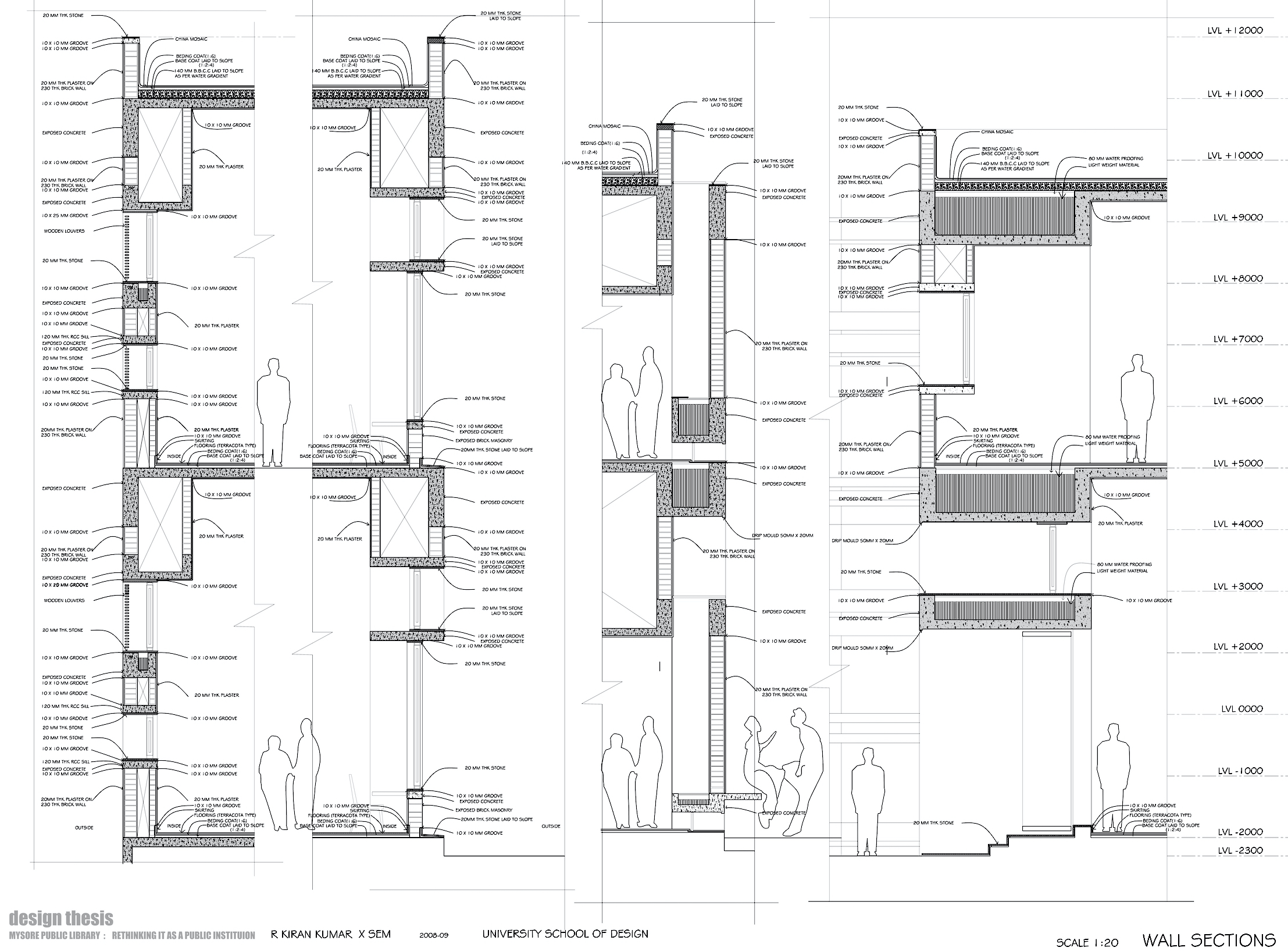
I teach a course on drawing (drafting – to be precise) for first year students here at WCFA (we call it Architectural Graphics here and it is taught for a year). When I studied, it was called TRD (Technical Representation of Drawing) and we did this course for 2 years. The objective of the course is to know the fundamentals of drawing and practice drafting as a skill to support design and construction drawings. Normally the course is looked as skill development. My attempt has been to place this skill, in the larger context of what drawings can do. I have put down a list of ten books, which helps me to build this narrative of drawing and the list could be a good companion to this introduction course.
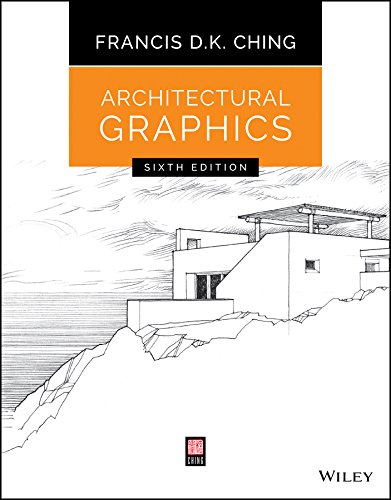 01. Architectural Graphics – Francis D K Ching
Great book to start with. Covers all the fundamentals of drafting – instruments, types of drawings (orthographic, isometrics and perspectives)
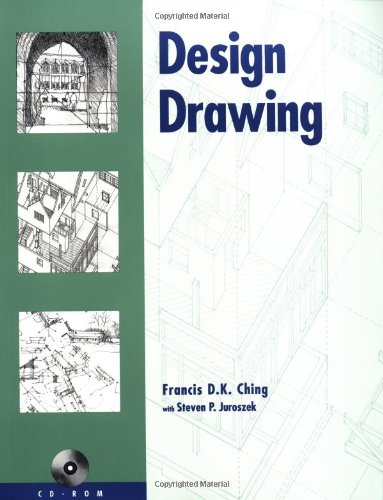 02. Design Drawing – Francis D K Ching
This less familiar Ching’s book is also a must read. The chapters fall under three broad topics – Drawing from Observation , Drawings Systems and Drawing from Imagination. This last topic has chapters on Speculative Drawing, Drawing Composition, Diagraming and Presentation Drawings.
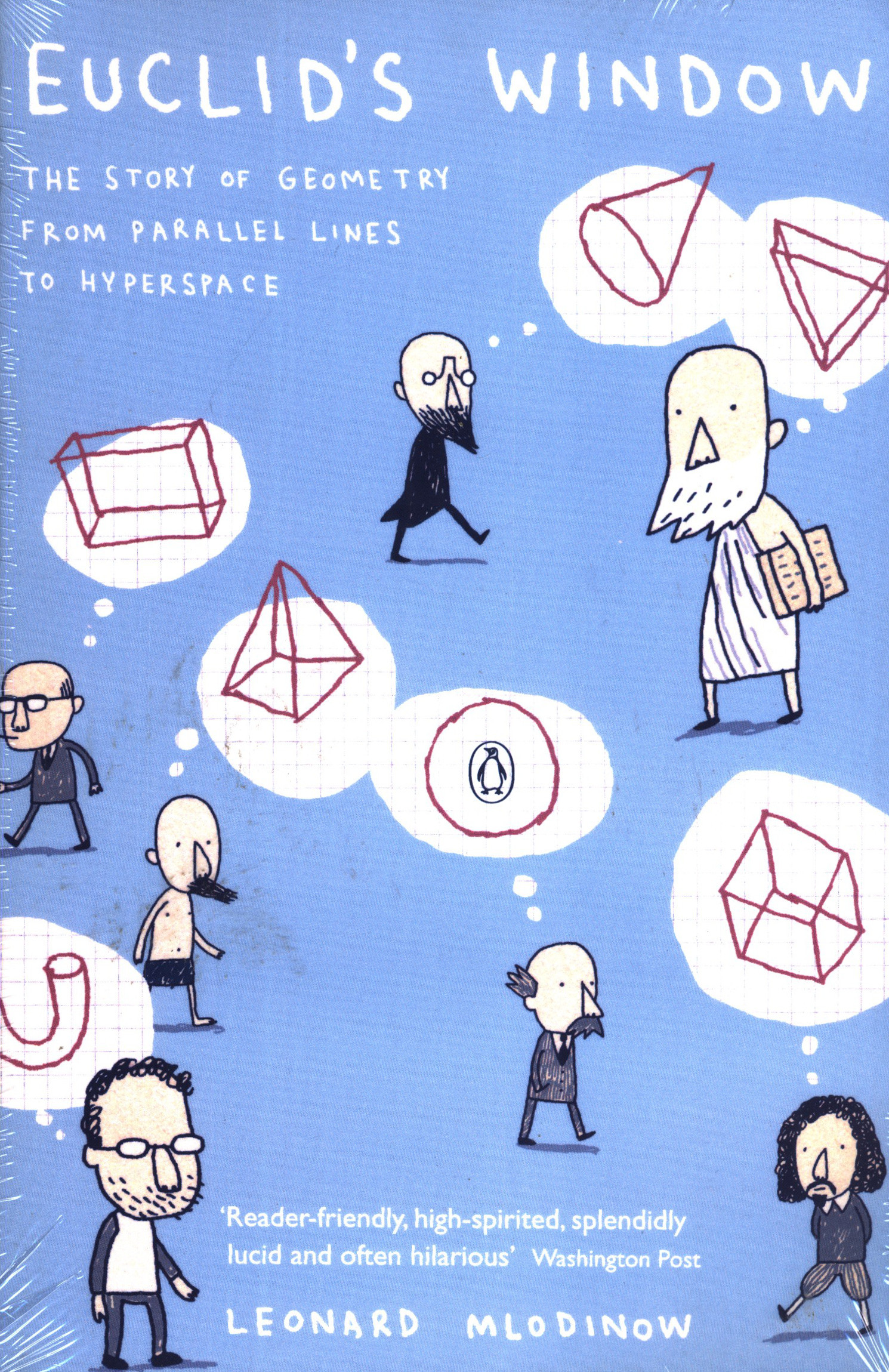 03. Euclids Window : The Story of Geometry from parallel lines to Hyperspace – Leonard Mlodinow
From the back cover “Euclids Window takes us on a brilliantly entertaining journey through 3000 years of genius and geometry, introducing the people who revolutionized the way we see the word around us”. This book gives a broad understanding of the role of geometry in understanding space starting from Phythagoras “little scheme” to “employ mathematics as the abstract system of rules that model the physical universe” and “this was the birth of abstraction and proof”
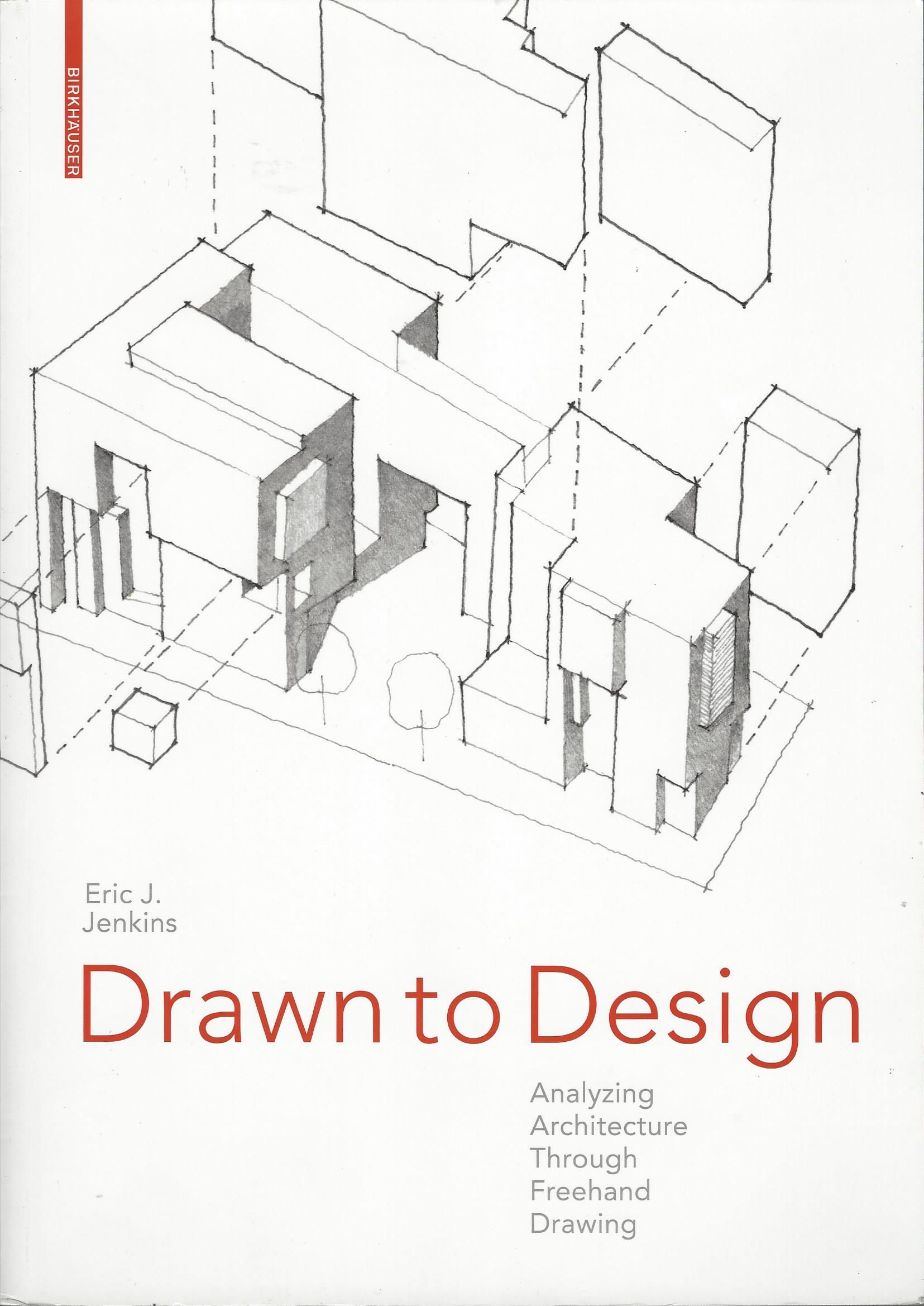
04. Drawn to Design : Analysing Architecture Through Freehand Drawing – Eric J Jenkins
A brilliant book which moves into analysis and design. From the cover “The conceptual goal of this approach is to use drawing not as illustration or depiction, but exploration….The main component is a series of chapters that constitute a typology of fundamental issues in architecture and urban design; for instance, issues of “façade” are illustrated with sketch diagrams that show how façades can be explored and sketched through a series of specific questions and step-by-step procedures. This book is especially timely in an age in which the false conflict between “traditional vs. digital” gives way to multiple design tools, including sketching. “
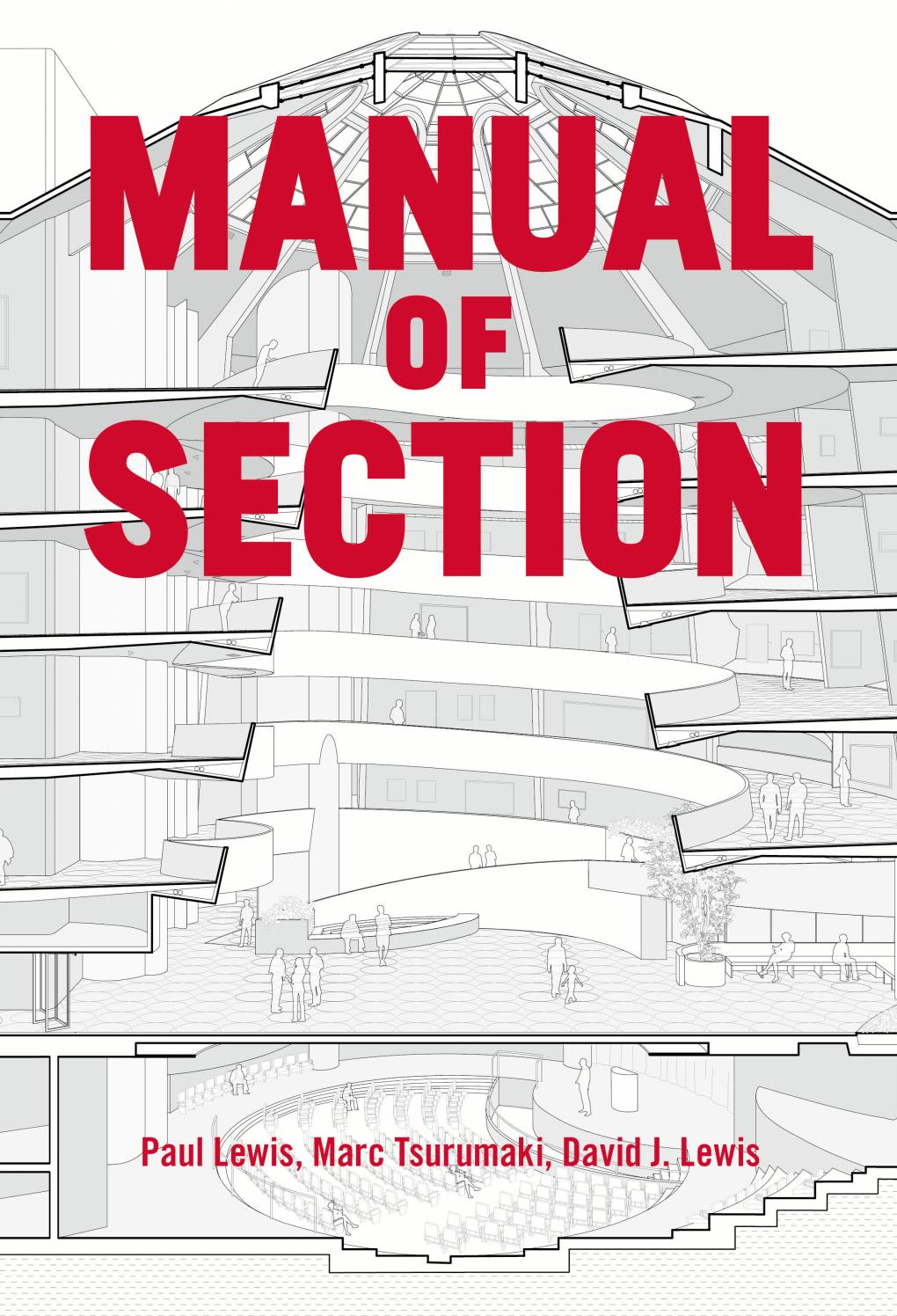 05. Manual of Section – David J. Lewis, Marc Tsurumaki, and Paul Lewi
Extract from the book ” This book represents the means for understanding the complex and important role that section plays in architectural design and practice. Discussion and debate of a particular building’s section are common in the study and practice of architecture. Yet there is no shared framework for the determination or evaluation of section. What are the different types of section, and what do they do? How does one produce those sections? Why would one choose to use one configuration of section over another? This book explores these questions and provides a conceptual, material and instrumental framework for understanding section as a means to create architecture”
This books analyses 63 projects through sections (drawn with one point perspective backgrounds) under seven themes – Extrusion, Stack, Shape, Shear, Hole, Incline, Nest
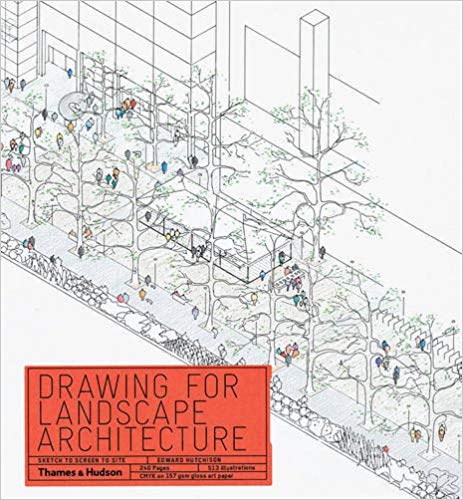 06. Drawing for Landscape Architecture: Sketch to Screen to Site – Edward Hutchinson
In extension to brilliant illustrations, the author also mentions what exact tools were used to make each drawing, the paper and the time it took to draw it. It varies from 3 minutes to 2 hours to 2 days. Its very revealing to duration of each drawing. A reminder that good drawings take time.
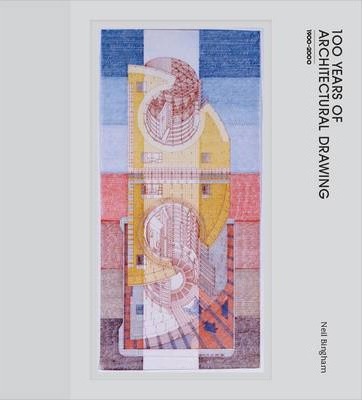 07. 100 years of architectural drawing : 1900-2000 – Neil Bingham
A chronological survey of how the drawing has transformed over the century
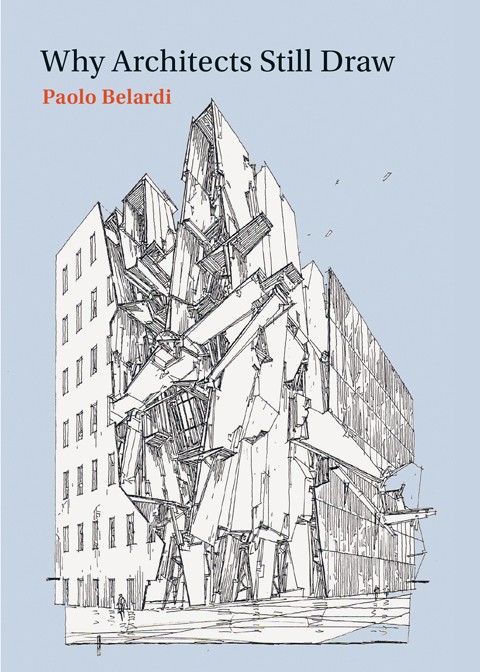 08. Why Architects Still Draw – Paolo Belardi
A book about drawings without any illustrations inside. Intelligent structure to write a book on drawing. The only drawing used on the cover is my by Lebbeus Woods, my favorite architect and the reason i picked up the book. It is in this book i came the word ‘disegno’, an Italian word for both drawing and design.
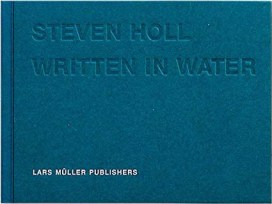 09. Steven Holl : Written in water
I had to add this from Steven Holl, my personal favorite who makes this 5″x7″ beautiful and naive watercolor drawings. Holl considers this sketchbook and watercolor format as the crux of his architectural thinking.
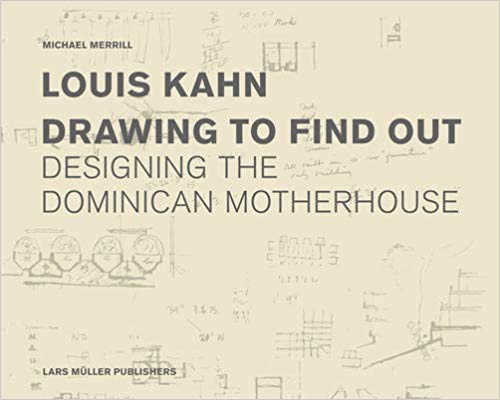 10. Louis Kahn Drawing to Find out Designing the Dominican Motherhouse
One unbuilt project. 3 years of iterations. An amazing collection of drawings and great reminder architecture is a patient search.





You must be logged in to post a comment.