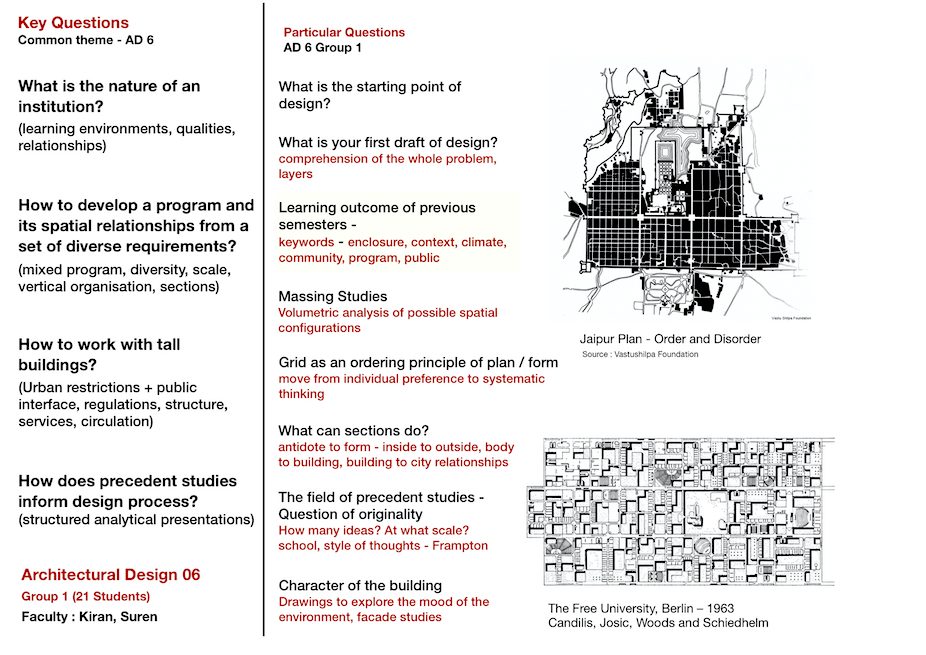
We just ended a challenging online sixth semester at WCFA. Below image is our final reflection of the semester. Documenting on the learning outcomes both for the student and faculty. When Aabid Raheem had a come for a review at WCFA two years back, he did a very interesting thing. He gathered all the students before the review and discussed the ‘learning outcomes’ from that semester. Later the discussions were calibrated with the domain of this ‘learning outcome’. Since then i have attempted to consolidate the learning outcomes for myself and the students. Whats on the left is common ground for the four different groups for the semester. Each group made the enquiry particular. Below is the particular approach my group took. This consolidation allows to reflect on pedagogical framework.
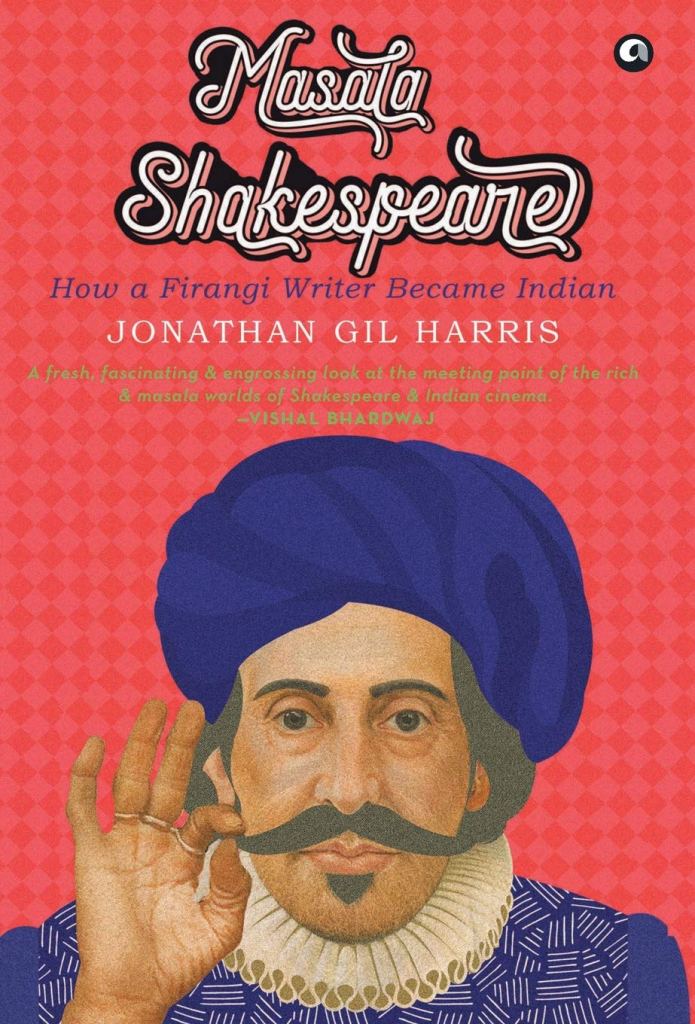
As an quick introduction to the book, here is a short extract from the cover: “Masala is a word that conjures up many associations. The word derives, through Urdu and Persian, from the Arabic ‘masalih’—ingredients. To a westerner, it immediately suggests exotic eastern spices. In its most widespread metaphorical use in India, it means embellishment or exaggeration. It also means a mixture—originally a mixture of ground spices, but more metaphorically any kind of mixture, especially one of cultural influences. While Shakespeare today is considered ‘literature’ and is taught as a ‘pure’, ‘high’ form of art, in his own day it was the quintessential ‘masala’ entertainment he provided that attracted both the common people and the nobility. In Masala Shakespeare, Jonathan Gil Harris explores the profound resonances between Shakespeare’s craft and Indian cultural forms as well as their pervasive and enduring relationship in theatre and film. Indeed, the book is a love letter to popular cinema and other Indian storytelling forms. It is also a love letter to an idea of India. One of the arguments of this book is that masala—and, in particular, the masala movie—is not just a formal style or genre. More accurately, it embodies a certain version of India, one that celebrates the plural, the polyglot, the all-over-the-place. The book is also ultimately a portrait of contemporary India with all its pluralities and contradictions.”
I arrived at this book through from many entry points : It is published by Aleph whose books are always interesting, it about cinema and that too popular Indian cinema, Baradwaj Rangan (film critic i follow) recommended this book, and the push to buy and read the book came from knowing that the author is an academic too. And also a recent nudge by a profile of Jonathan’s personal library photos by the Delhiwala. I am curious about books on cinema and that too popular Indian cinema, which has been my main connection to arts (if you may call it) all through my childhood. Even though my main entry point was cinema, the unexpected dive into masalaness was the engaging and enjoyed part of the book. I was reluctant to pick this book, as it was about Shakespeare (whose work i have not read much) . It was so interesting to know his direct influence on Indian Theatre and how his writings has been a bed of inspiration for so many creative practices. The lens of masala is what intrigued me a lot throughout the book and also the main takeaway from the book. “It is, in short, a tale of masala genealogy. The genealogy of Masala. But also genealogy as masala”
The book begins with the authors experience of watching Lagaan in 2001 in Chanakya Theatre in Delhi “Lagaan impressed on me how the venue in which a film is screened is a crucial part of its story. The Chanakya Theatre may have been located in the well-off South Delhi. But its size and ticket prices were designed to accommodate a mixed audience, one consisting of people from many classes and communities. Lagaan was made to be screened in venues just like Chanakya Theatre. Aamir Khan’s victorious cricket team – made up of Hindu,Muslim, Sikh and Dalit, supported by men and women, young and old, maharajahs and commoners alike – symbolically mirrored its diverse audience.” This reading rekindled my experience of watching the movie in 2001 , as a young teenager, watching in a similar environment of Mothi Theater in Bellary.
Extending the reading on Lagaan : “This reflection is the essence of what is called the masala movie – a film that, like Lagaan, is grounded in a mixture of genres and languages that caters to an equally mixed audience. A masala is a concoction that is tasty and spicy, but it is also literally a mixture. The masala movie’s stories mix tragedy with comedy as well as scenes of dialogue with song-and-dance routines. Its lovers, too, are mixtures, often coming from different communities. And its sources are equally mixed : there is no ‘original’ story in a masala movie, as its narrative is khichdi of other, earlier stories or formulas. Lagaan, for example, combined elements of the spaghetti western and the underdog sports-team film with the tried-and-tested Bollywood love triangle. All these mixtures were a reflection of an India that is itself a mixture of many cultural ingredients”
Similar to this reading of Lagaan, the book covers a lot of themes like more than oneness, plurality, all-over-the-place, stories-within-stories. It’s been a very engaging read, even though the point of entry was cinema, but main delight in reading this book was is the lens of the masala.




 mofussillab
You must be logged in to post a comment.