A new series on drawings i explore to understand ideas of geometry or enclosure
Drawing : 01


A new series on drawings i explore to understand ideas of geometry or enclosure
Drawing : 01
I teach a course on drawing (drafting – to be precise) for first year students here at WCFA (we call it Architectural Graphics here and it is taught for a year). When I studied, it was called TRD (Technical Representation of Drawing) and we did this course for 2 years. The objective of the course is to know the fundamentals of drawing and practice drafting as a skill to support design and construction drawings. Normally the course is looked as skill development. My attempt has been to place this skill, in the larger context of what drawings can do. I have put down a list of ten books, which helps me to build this narrative of drawing and the list could be a good companion to this introduction course.
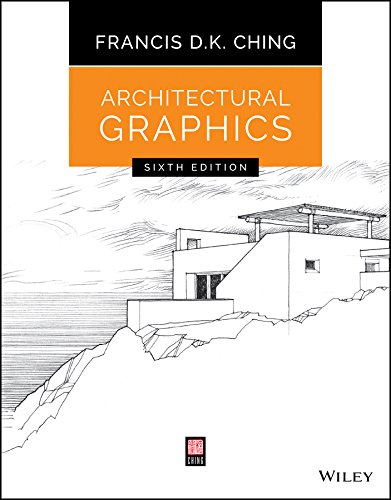 01. Architectural Graphics – Francis D K Ching
Great book to start with. Covers all the fundamentals of drafting – instruments, types of drawings (orthographic, isometrics and perspectives)
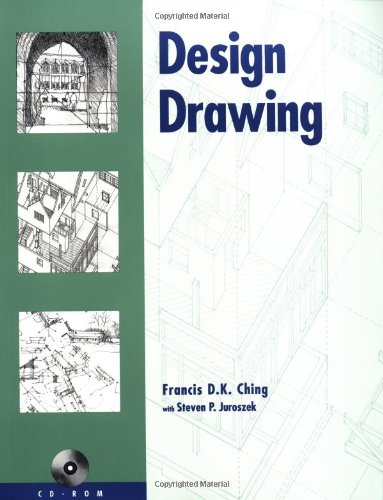 02. Design Drawing – Francis D K Ching
This less familiar Ching’s book is also a must read. The chapters fall under three broad topics – Drawing from Observation , Drawings Systems and Drawing from Imagination. This last topic has chapters on Speculative Drawing, Drawing Composition, Diagraming and Presentation Drawings.
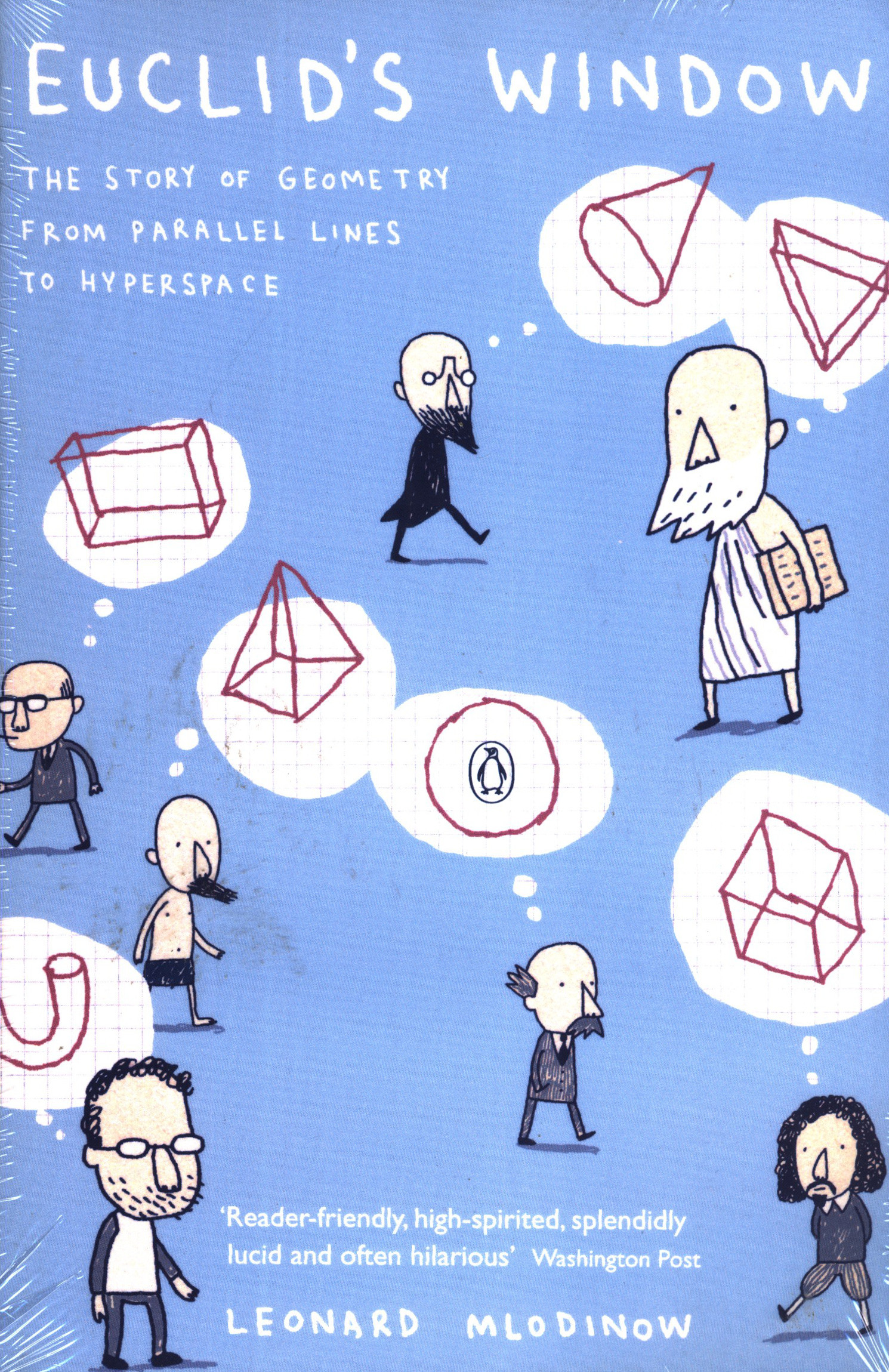 03. Euclids Window : The Story of Geometry from parallel lines to Hyperspace – Leonard Mlodinow
From the back cover “Euclids Window takes us on a brilliantly entertaining journey through 3000 years of genius and geometry, introducing the people who revolutionized the way we see the word around us”. This book gives a broad understanding of the role of geometry in understanding space starting from Phythagoras “little scheme” to “employ mathematics as the abstract system of rules that model the physical universe” and “this was the birth of abstraction and proof”
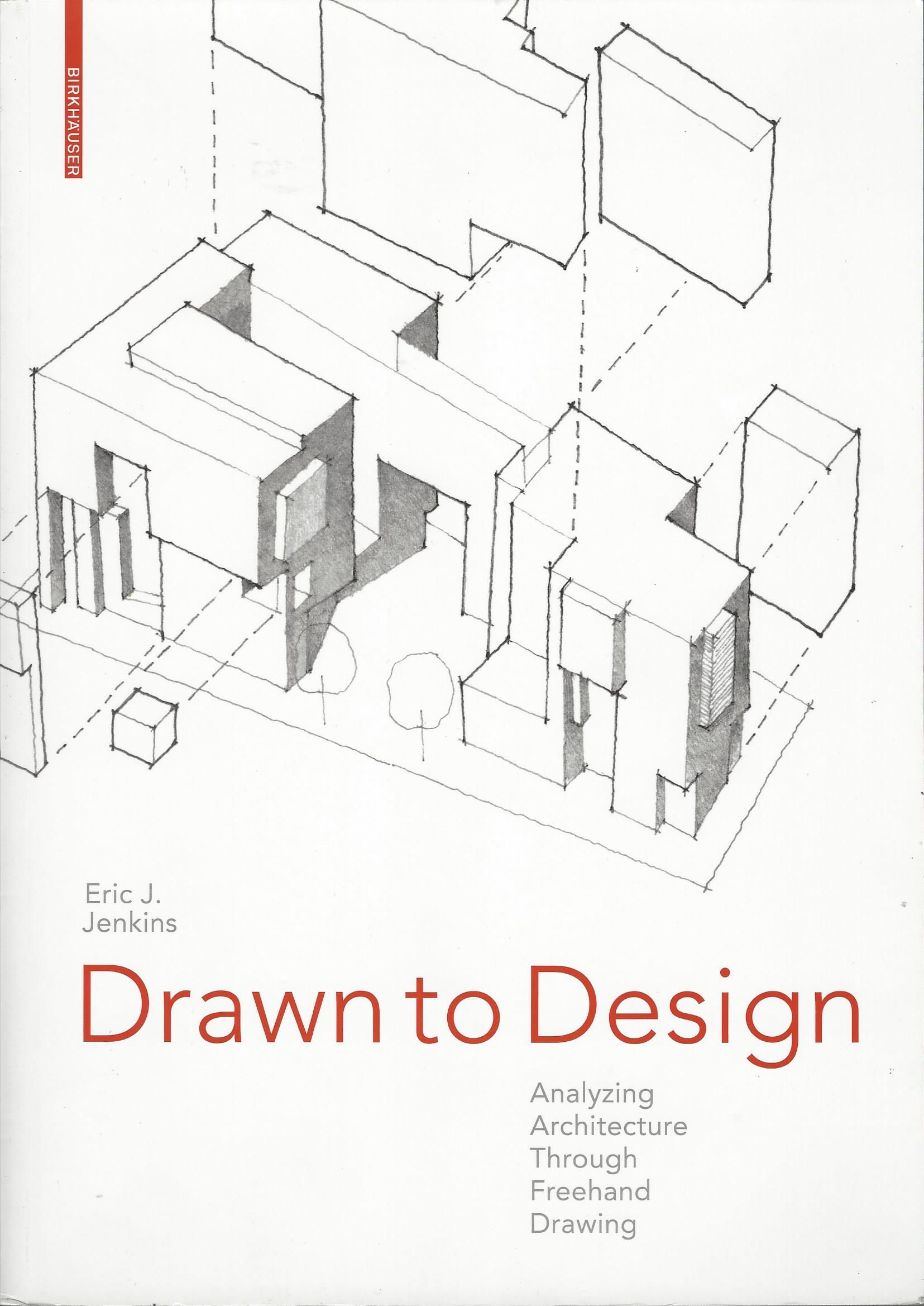
04. Drawn to Design : Analysing Architecture Through Freehand Drawing – Eric J Jenkins
A brilliant book which moves into analysis and design. From the cover “The conceptual goal of this approach is to use drawing not as illustration or depiction, but exploration….The main component is a series of chapters that constitute a typology of fundamental issues in architecture and urban design; for instance, issues of “façade” are illustrated with sketch diagrams that show how façades can be explored and sketched through a series of specific questions and step-by-step procedures. This book is especially timely in an age in which the false conflict between “traditional vs. digital” gives way to multiple design tools, including sketching. “
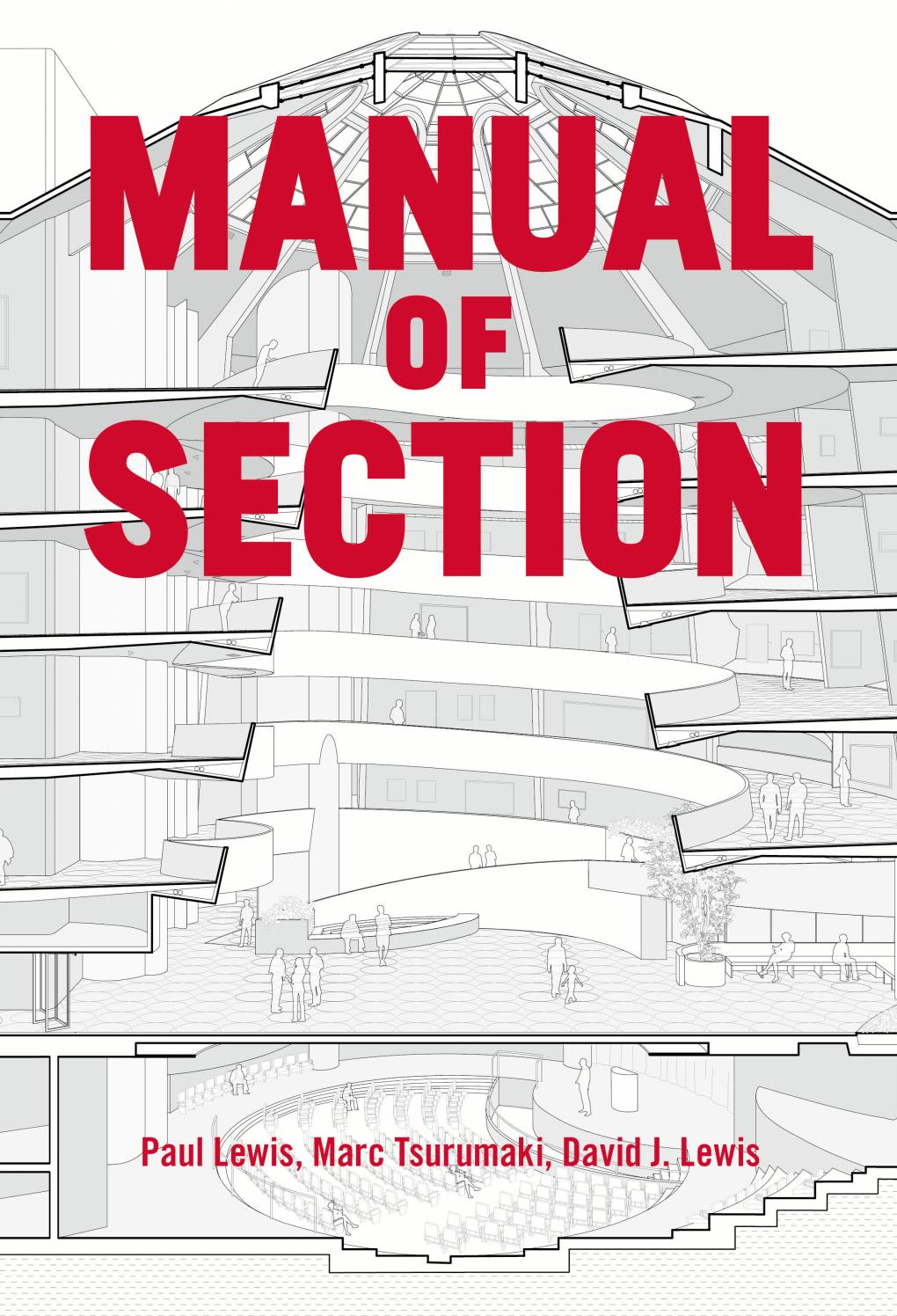 05. Manual of Section – David J. Lewis, Marc Tsurumaki, and Paul Lewi
Extract from the book ” This book represents the means for understanding the complex and important role that section plays in architectural design and practice. Discussion and debate of a particular building’s section are common in the study and practice of architecture. Yet there is no shared framework for the determination or evaluation of section. What are the different types of section, and what do they do? How does one produce those sections? Why would one choose to use one configuration of section over another? This book explores these questions and provides a conceptual, material and instrumental framework for understanding section as a means to create architecture”
This books analyses 63 projects through sections (drawn with one point perspective backgrounds) under seven themes – Extrusion, Stack, Shape, Shear, Hole, Incline, Nest
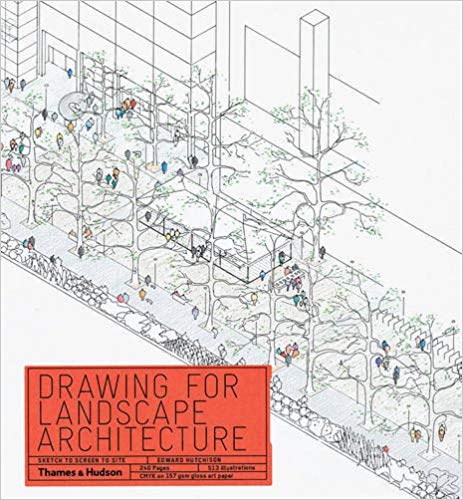 06. Drawing for Landscape Architecture: Sketch to Screen to Site – Edward Hutchinson
In extension to brilliant illustrations, the author also mentions what exact tools were used to make each drawing, the paper and the time it took to draw it. It varies from 3 minutes to 2 hours to 2 days. Its very revealing to duration of each drawing. A reminder that good drawings take time.
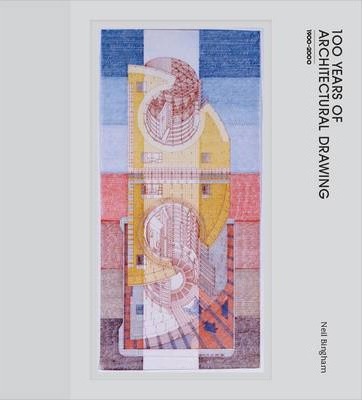 07. 100 years of architectural drawing : 1900-2000 – Neil Bingham
A chronological survey of how the drawing has transformed over the century
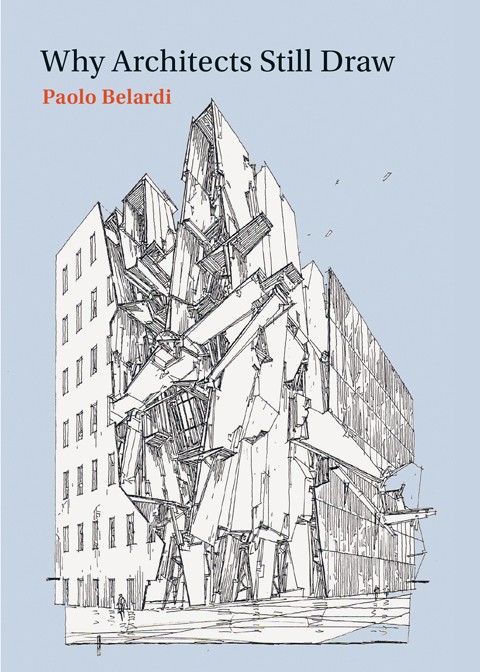 08. Why Architects Still Draw – Paolo Belardi
A book about drawings without any illustrations inside. Intelligent structure to write a book on drawing. The only drawing used on the cover is my by Lebbeus Woods, my favorite architect and the reason i picked up the book. It is in this book i came the word ‘disegno’, an Italian word for both drawing and design.
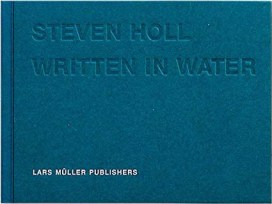 09. Steven Holl : Written in water
I had to add this from Steven Holl, my personal favorite who makes this 5″x7″ beautiful and naive watercolor drawings. Holl considers this sketchbook and watercolor format as the crux of his architectural thinking.
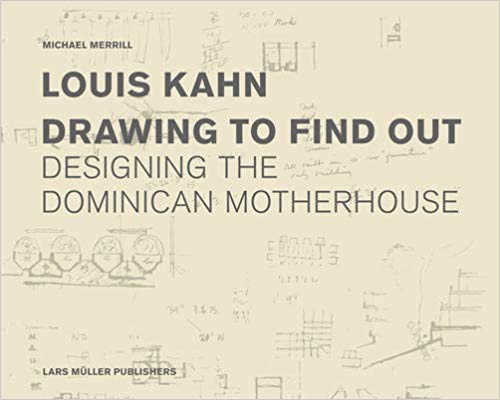 10. Louis Kahn Drawing to Find out Designing the Dominican Motherhouse
One unbuilt project. 3 years of iterations. An amazing collection of drawings and great reminder architecture is a patient search.
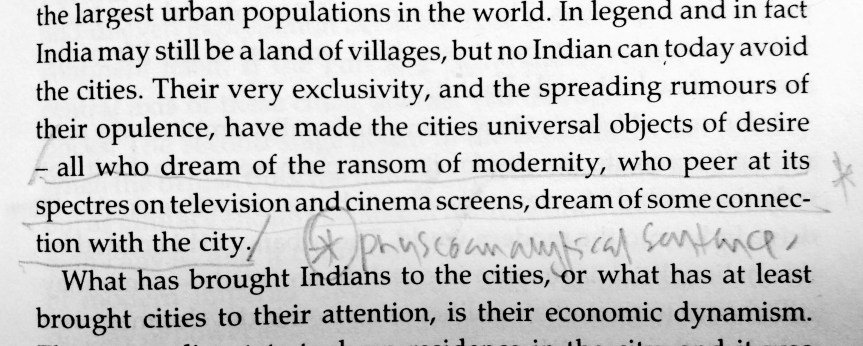
This piece is built around the ‘reading’ we had with Aveek Sen (Scholar in Residence at WCFA) in design studio. The blog (and may be all writing too) is a montage of imperfection of memory and shortcomings of documentation ( A reference to a similar phrase by Julian Barnes in The Sense of an Ending) . I have tried to quote Aveek’s words as accurate as my memory and scribblings in my notebook allowed. We were reading the chapter ‘Cities’ in the brilliant book ’The Idea of India’ by Sunil Khilnani.
Aveek equated ‘tracing the line in the book to walking in the streets’. The way one meanders in a city shaping memories, is similar to how one reads the lines in a book. The acts of ‘walking, reading, talking’ are operative agents of engagement with the actions performed. And everyone ‘reads to one’s own unique printed voice’. We discussed on how underling the text while reading is a process of archiving thoughts. When one visits the book again, these underlined words open new trajectories of thought. The act of marking and adding comments in an active way to engage with the text. We discussed the similarities between ‘reading’ a text and a drawing. Both acts reveal the fractures in the intellect. ‘Reading is a simultaneous act of listening to the printed voice and realisation of thoughts forming in the head’. It can trigger multiple associations. Reading can act as a ‘cartographic’ device of the mind by allowing ’thoughts to write itself into the text’ one is reading. Likewise, reading a plan can be a ‘architectonic exercise’. I mentioned of my recent reading of a courtyard in a plan for a house in Delhi, which recalled my design process for a courtyard I had designed earlier and reminded the courtyards I had visited/documented in my travels before. Aveek articulated this experience as ‘palimpsest’ , where ‘layers of memory are projected in the text/drawing one is reading’.
This reading led to me a piece I had read long time back. Tim Parks in his brilliant The New York Review of Books blog ’The Weapon for Readers’ writes about the habit of reading with a pen in hand :
“There is something predatory, cruel even, about a pen suspended over a text. Like a hawk over a field, it is on the lookout for something vulnerable. Then it is a pleasure to swoop and skewer the victim with the nib’s sharp point. The mere fact of holding the hand poised for action changes our attitude to the text. We are no longer passive consumers of a monologue but active participants in a dialogue”
“Looking back over the pages we have already read and marked, or coming back to the novel months, maybe years later, we get a strong sense of our own position in relation to the writer’s position. Where he said this kind of thing, I responded with that, where he touched this nerve, my knee jerked thus. Hence a vehicle for self knowledge is created, for what is the self if not the position one habitually assumes in relation to other selves? These days, going back to reading the books that have remained since university days, I see three or four layers of comments, perhaps in different colored pens. And I sense how my position has changed, how I have changed.”
The reinforcement of the ‘palimpsest’ in this occurence : is me remembering a piece on reading by Tim Parks , prompted by Aveek’s reflection on ‘operations of reading’, while reading an essay by Sunil Khilnani.
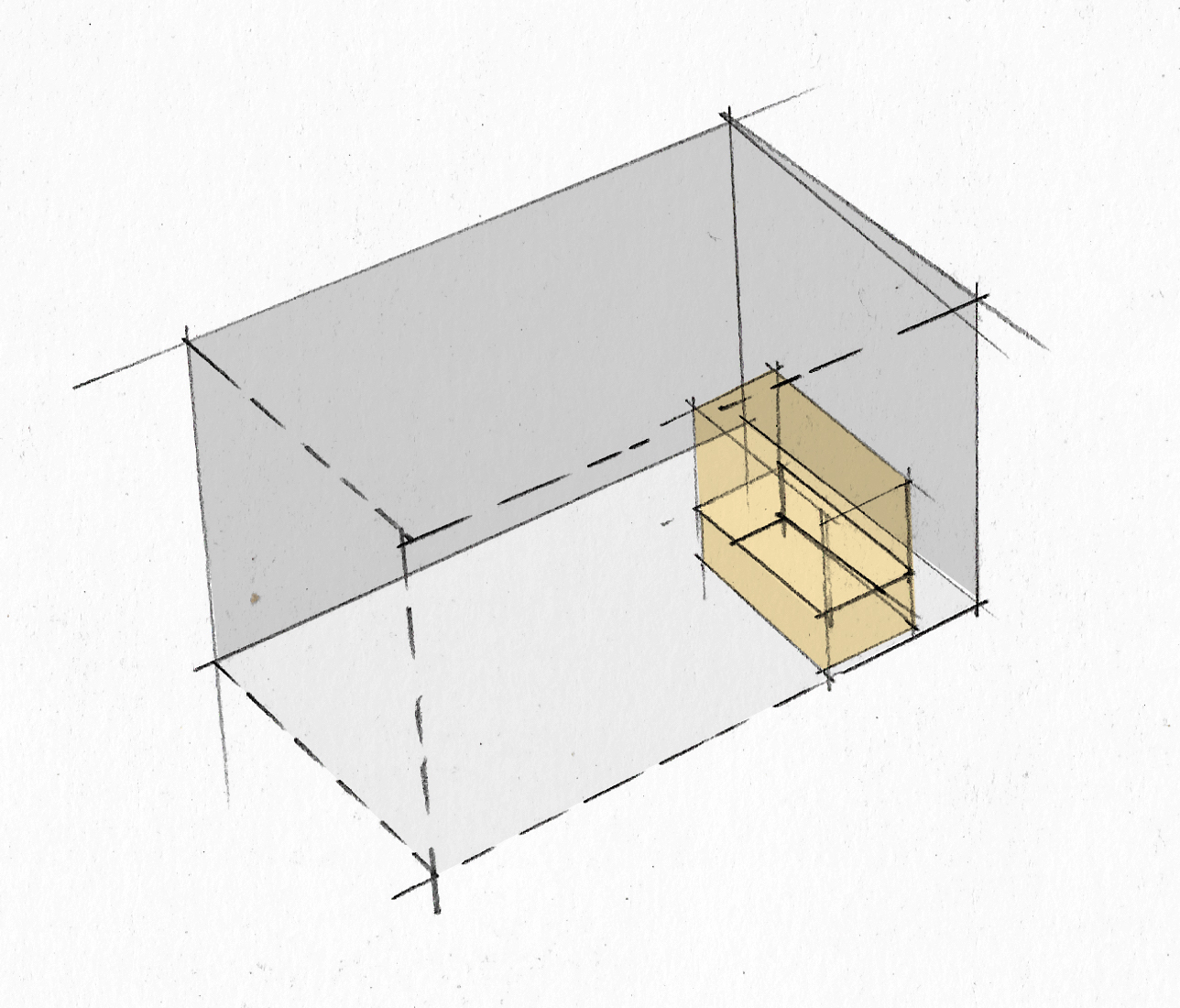
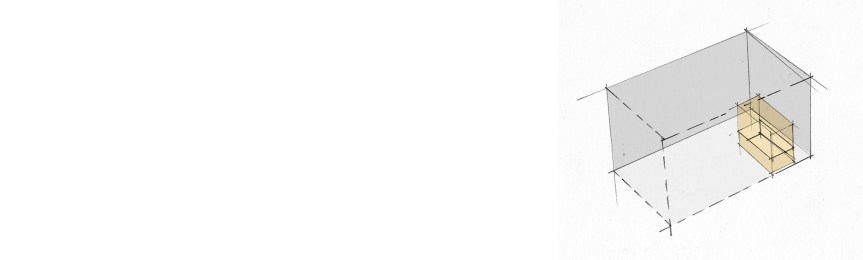
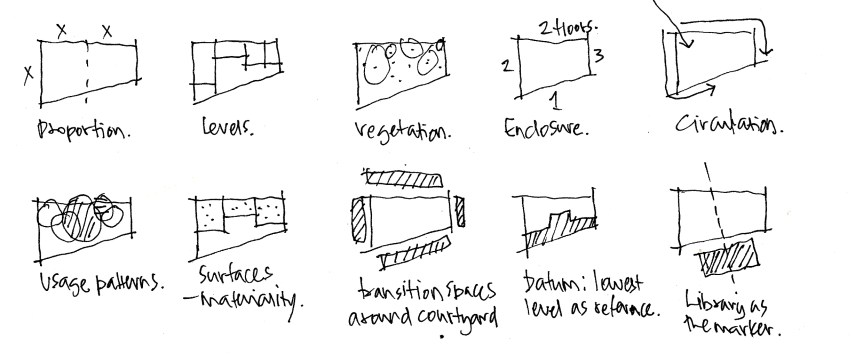
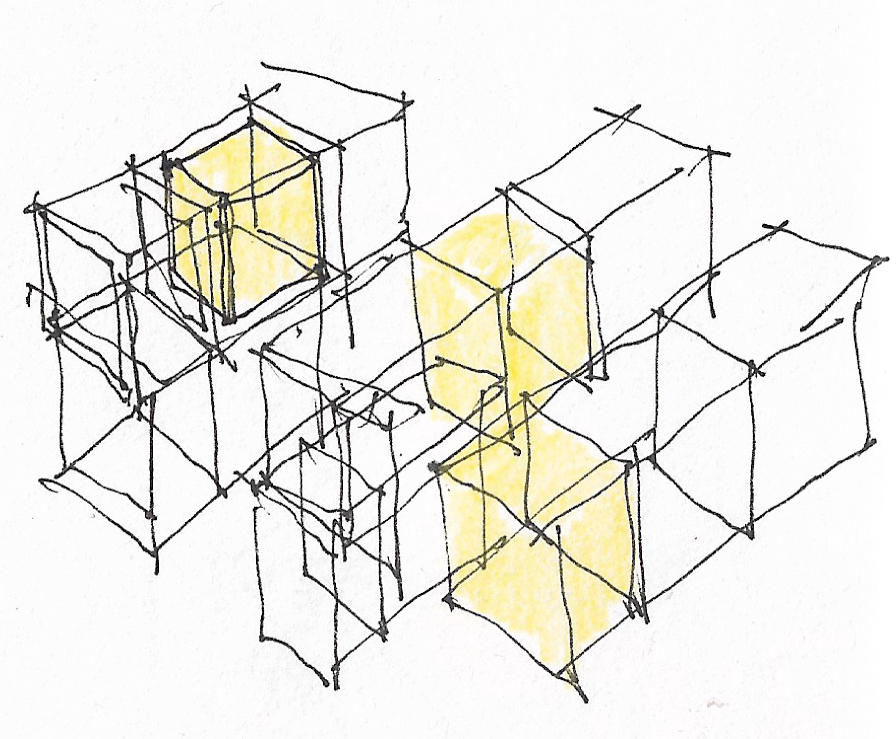 Space with a space : A theme I am currently exploring where one can perceive two spaces simultaneously. Even though the smaller space is embedded inside the larger one, both have distinct sense of enclosure independent of each other. The original trigger was the reading of the Orinda House designed by Charles Moore, in which the two rooms (the bathroom and living) are embedded as pavilions with in the larger perimeter of the house. The thematic idea is to explore of the condition of ‘simultaneity’ in crafting of space
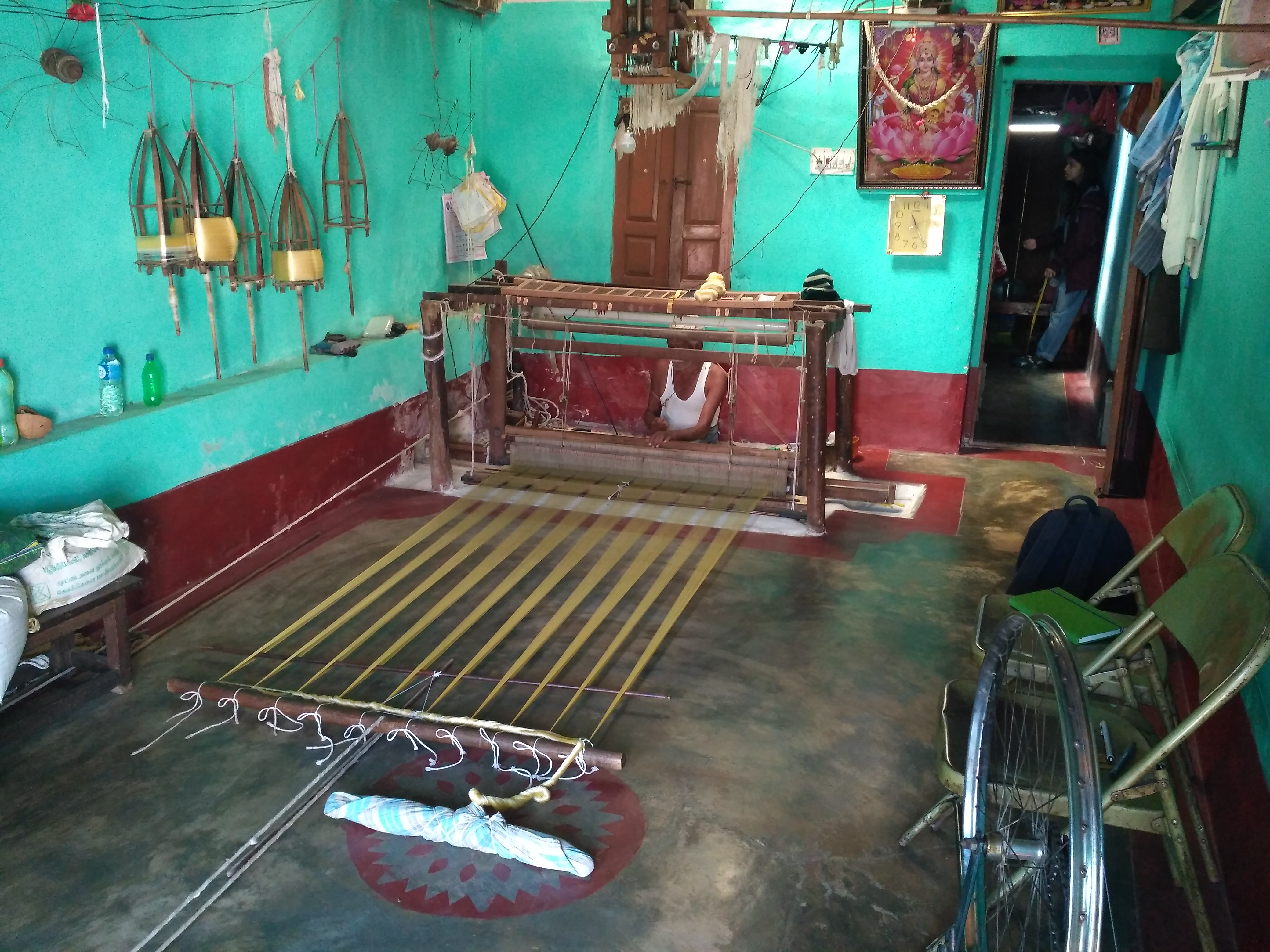
The below images are from a weavers house in Melkote. Melkote was a thriving place for weaving. Now because of the impact of the power-looms. this craft is only pursued by 30-40 families here. The weaving equipment sits above a pit carved out of the ground. This incision in the ground made by the the instrument forms an intimate working space within the larger living space. He simultaneously perceives his workspace and the living room. The house has two zones : this living room with the workspace and a small kitchen and a washroom behind. So this place of occupation becomes the core premise of the house.


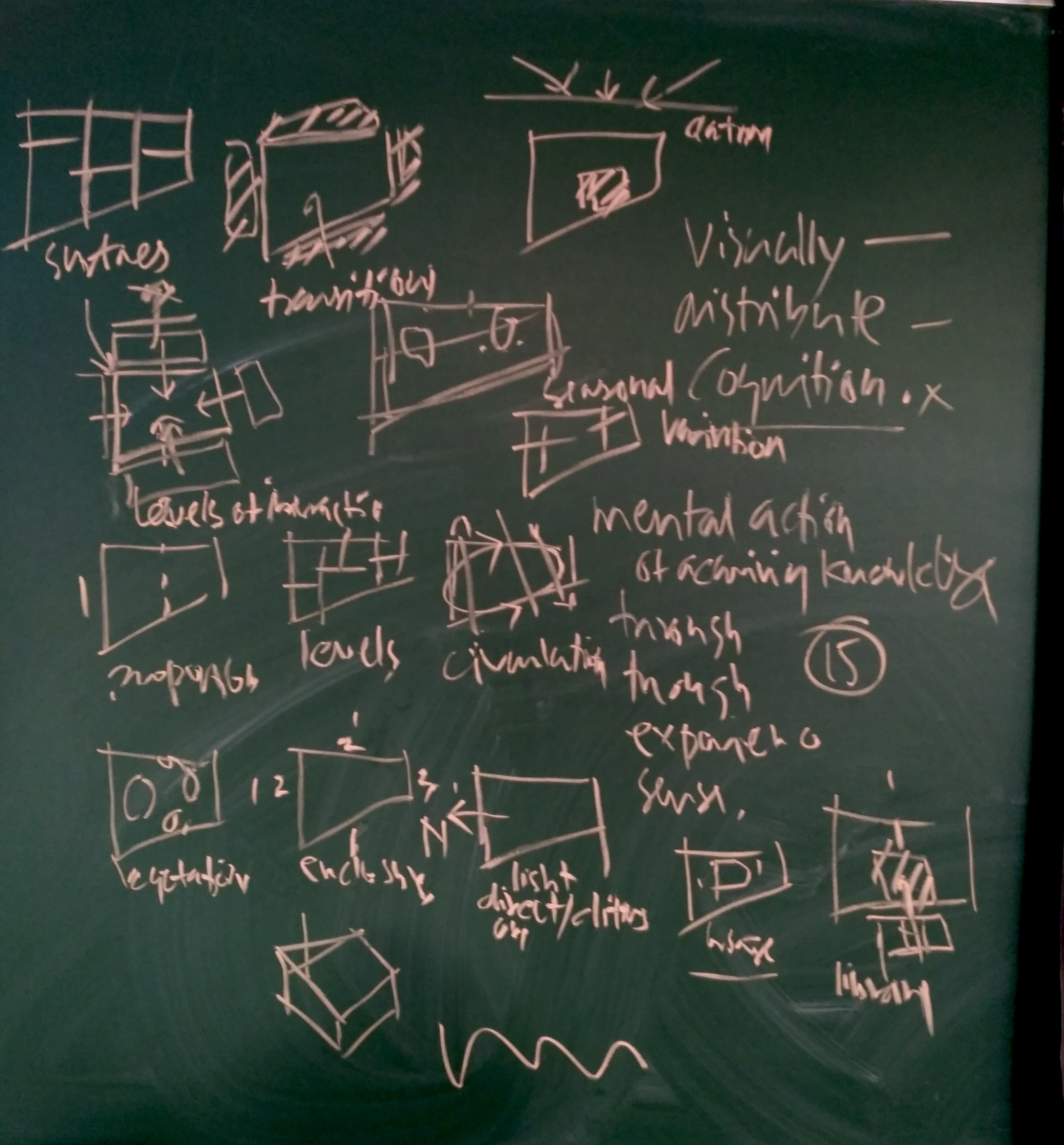
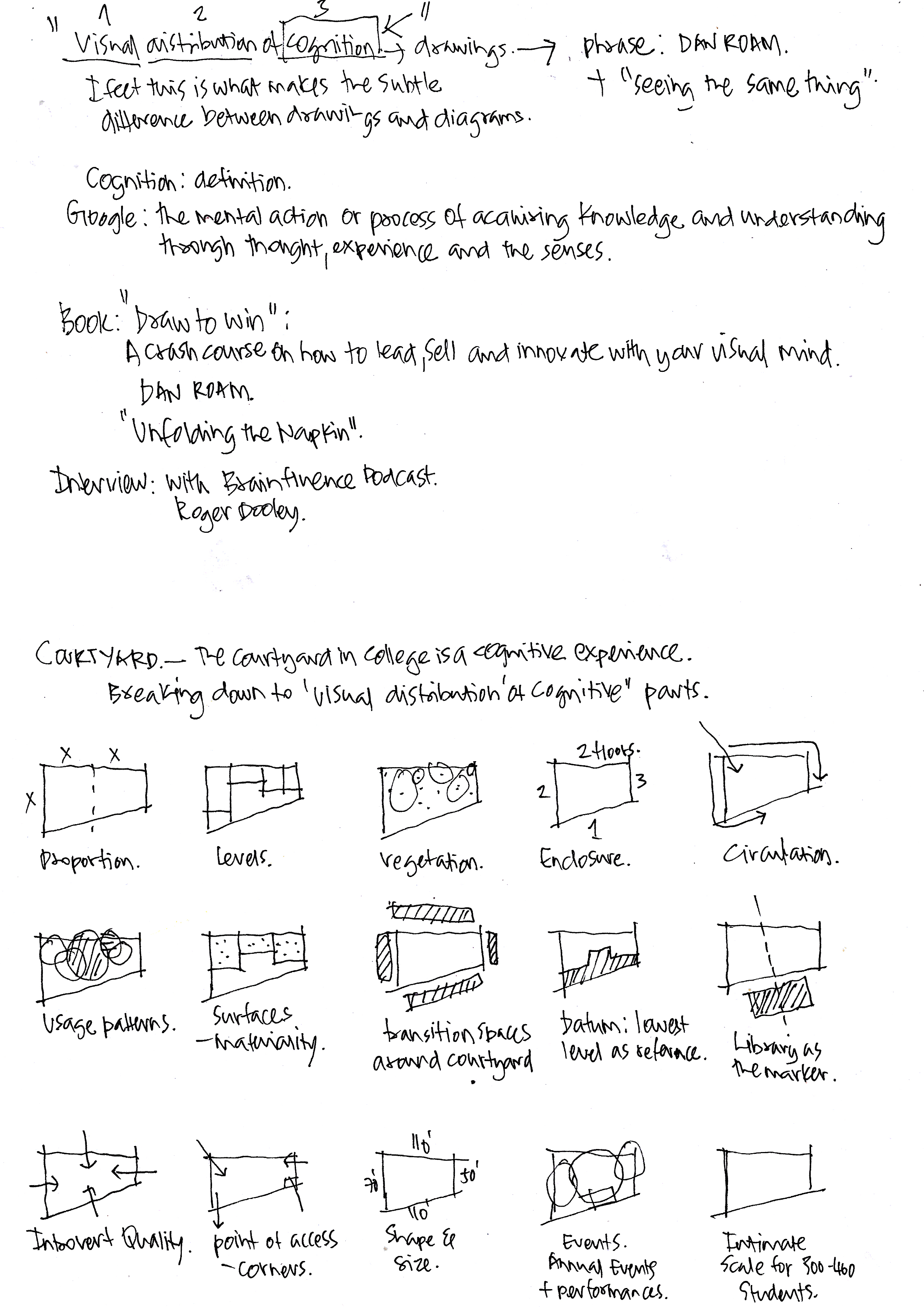
01 . I came across this phrase in his interview with Roger Dooley in Brainfluence podcast. The link to the transcript
 mofussillab
You must be logged in to post a comment.