Map of your mind

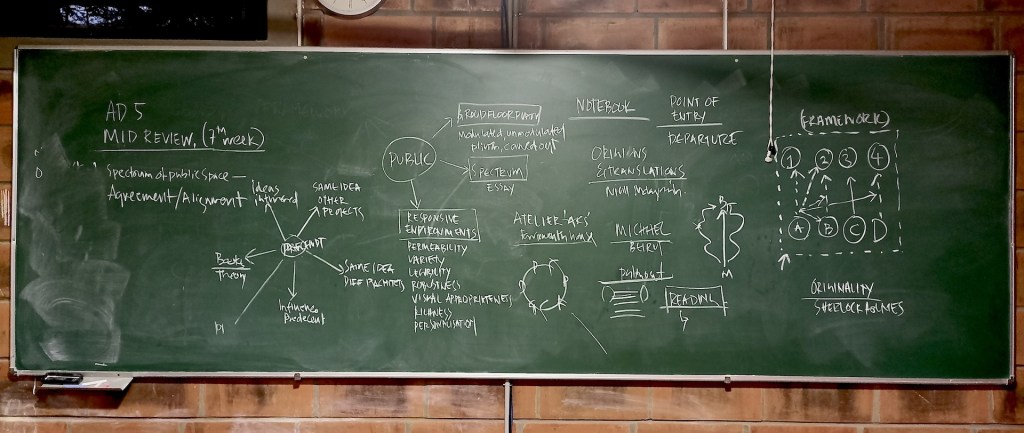
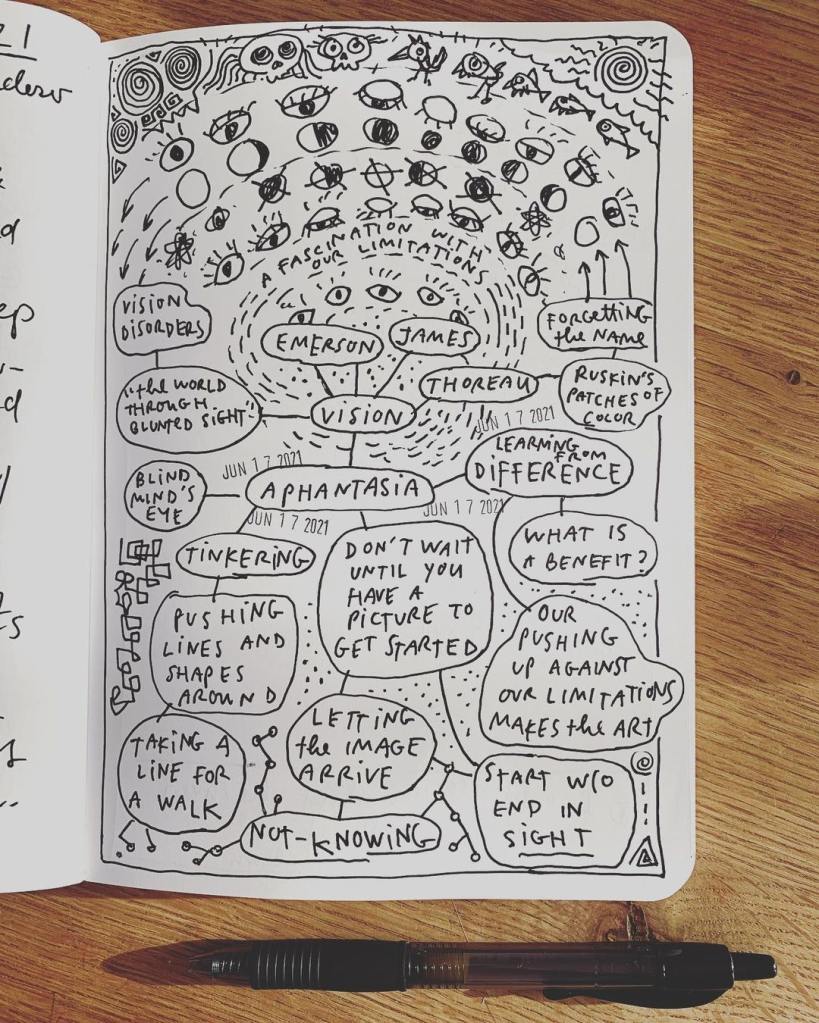
Mind maps are useful tools to explore thought processes (both finished and unfinished) like when you are stuck or in the middle of a research or design process. Allowing to grow connections fluidly will help to gain some structure by making them visible. For a recent design studio, I tried this strategy as a method for precedent studies. Below in the photo of the blackboard, I was attempting to gather and articulate, with the students the status of design mid semester (so we don’t loose of track of what was the initial intent of the semester – faculty are good at that). I just accidentally then made a small mind map on the board. I think the day before that , I read the wonderful blog by Austin Kleon on the same topic. Then later I made a better diagram of the same – became an interesting tool for the study this semester . Bhamini (studies at the end of this page) took this method to the next level in exploring this method for analysing the precedent. I have written earlier in the blog about the theme of the semester here – precedents as ‘point of entry / departure

Classroom Board – Thinking and clarifying with the students. Articulating where we are heading in the semester and what layers are priority for the studio.
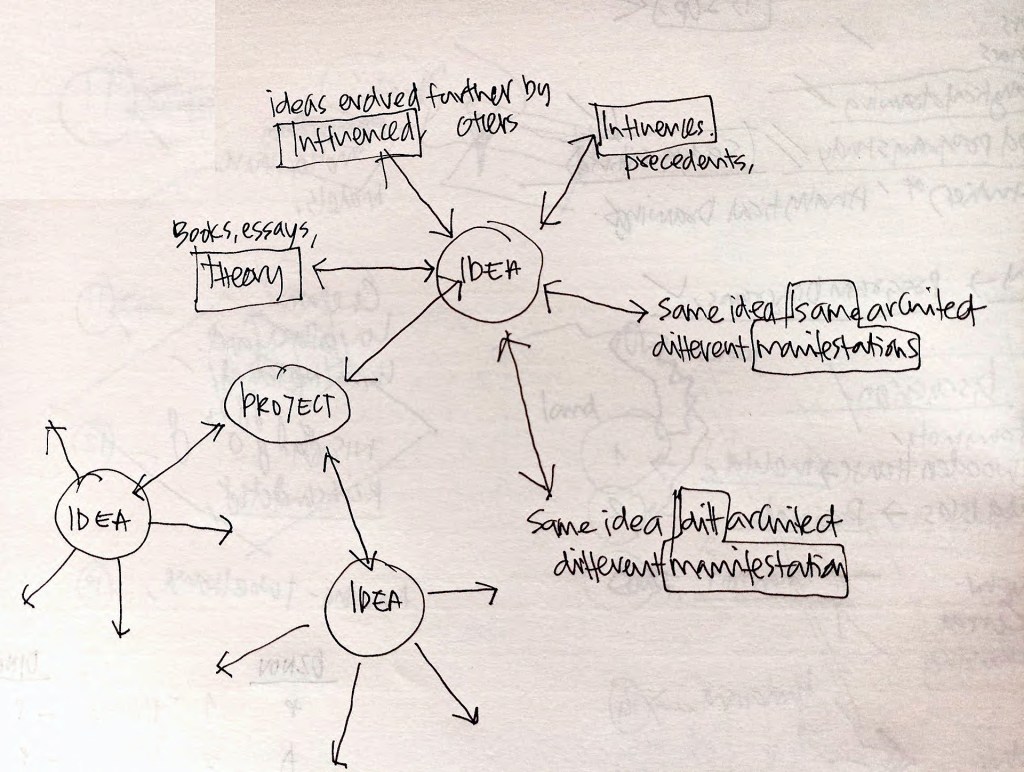
This map became the framework for precedent analysis and possible routes of enquiry – the genesis of an idea – influences leading to the idea under study, how this idea influenced other projects, same idea : same architect : different manifestations, same idea : different architects : different manifestations

The particular trigger was Austin Kleon’s blog post on mind mapping (and his brilliant deliberations of creativity has a lot of his influence in the other posts of this blog too)
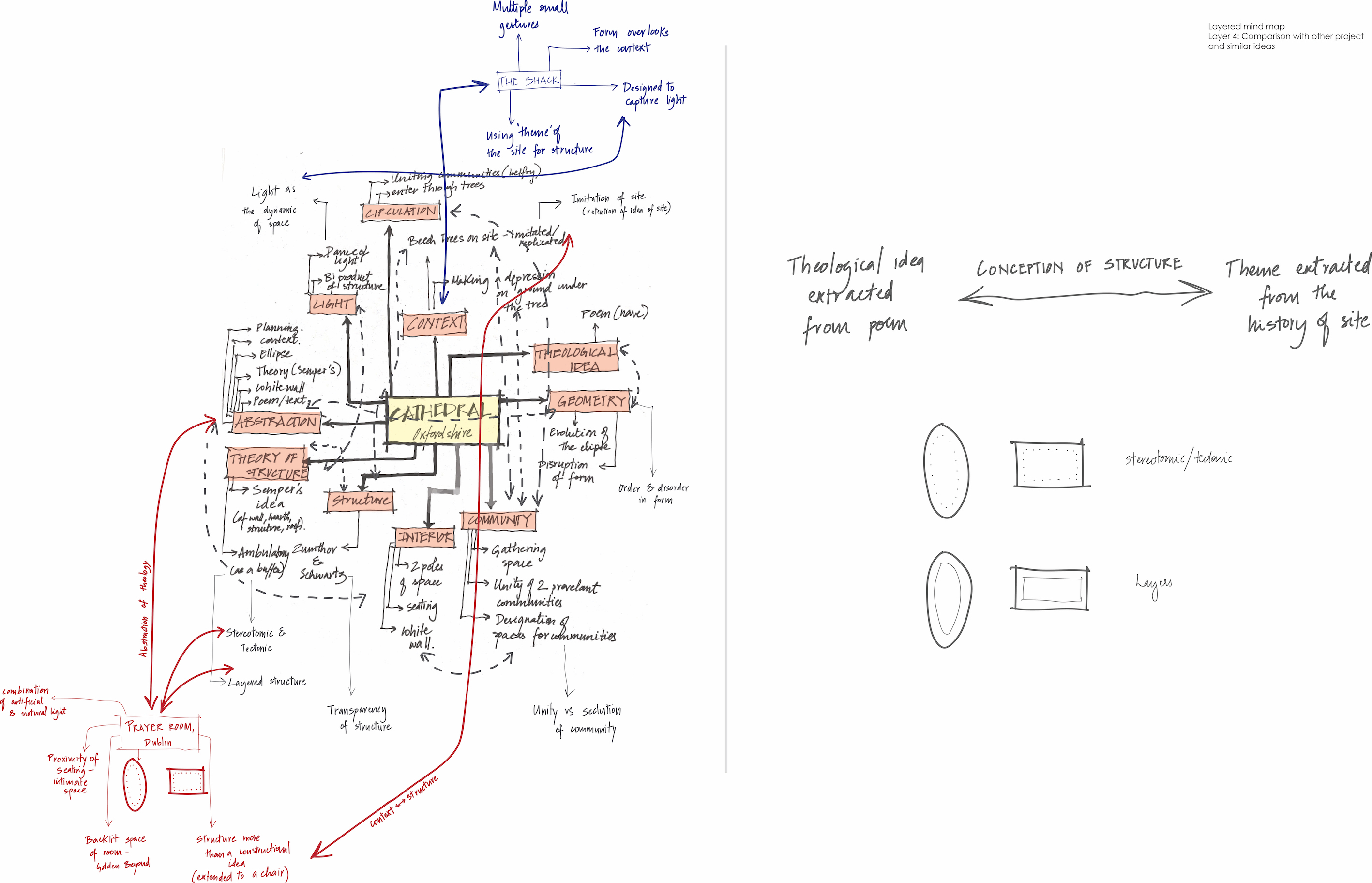
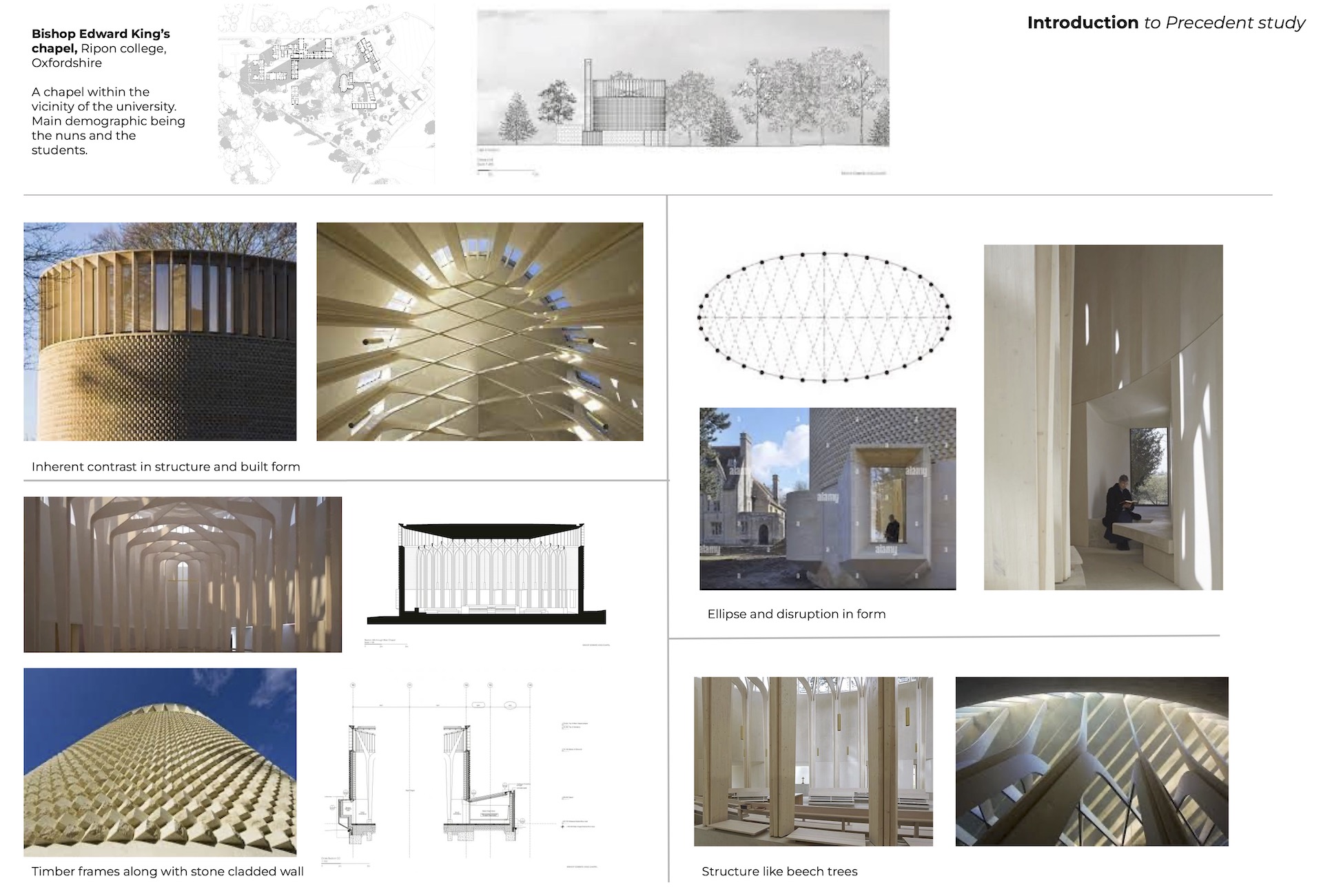
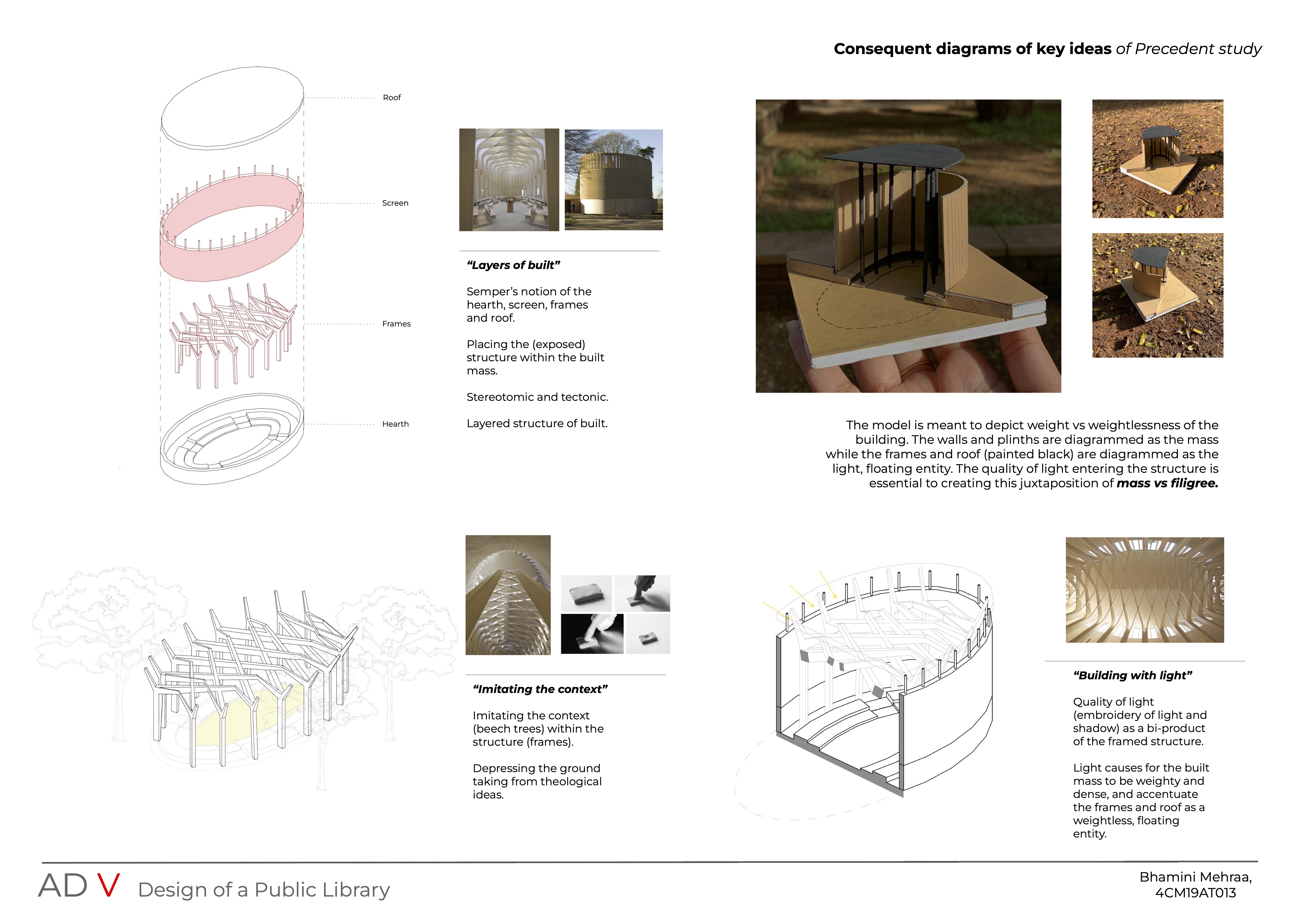
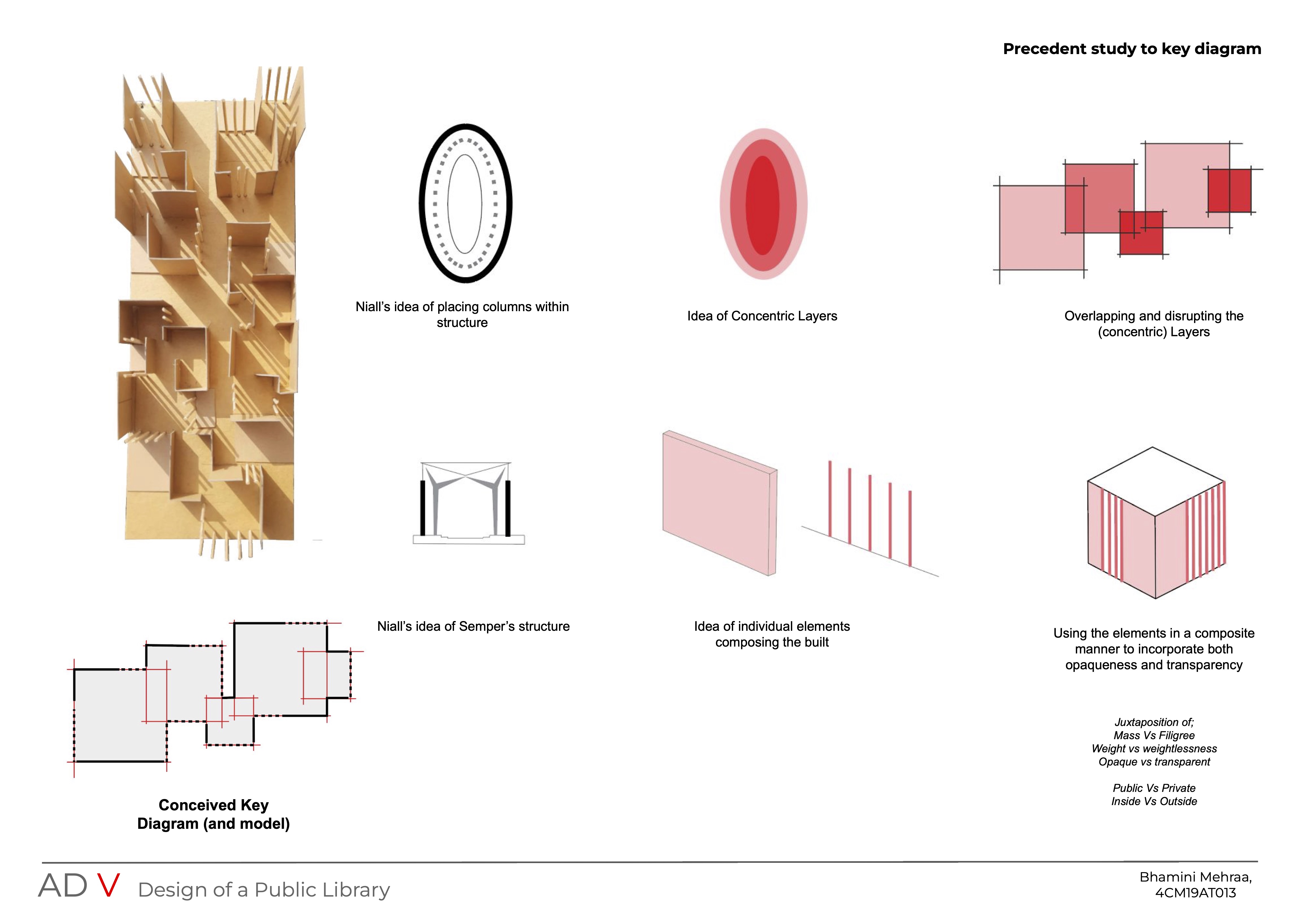
Below are Bhamini Mehra’s (WCFA, Batch 2019) explorations for the precedent study. The project under study was Bishop Edward King Chapel, Oxford by Níall McLaughlin Architects. The project had deep theoretical connections and material explorations. Bhamini carefully peeled all the layers using the mind map method, revealing and articulating the analysis.
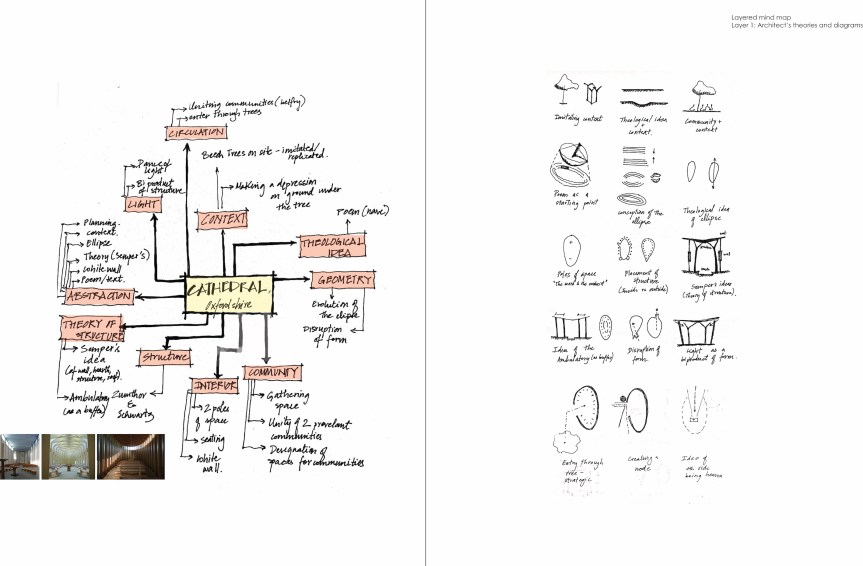
Here is the complete analysis :
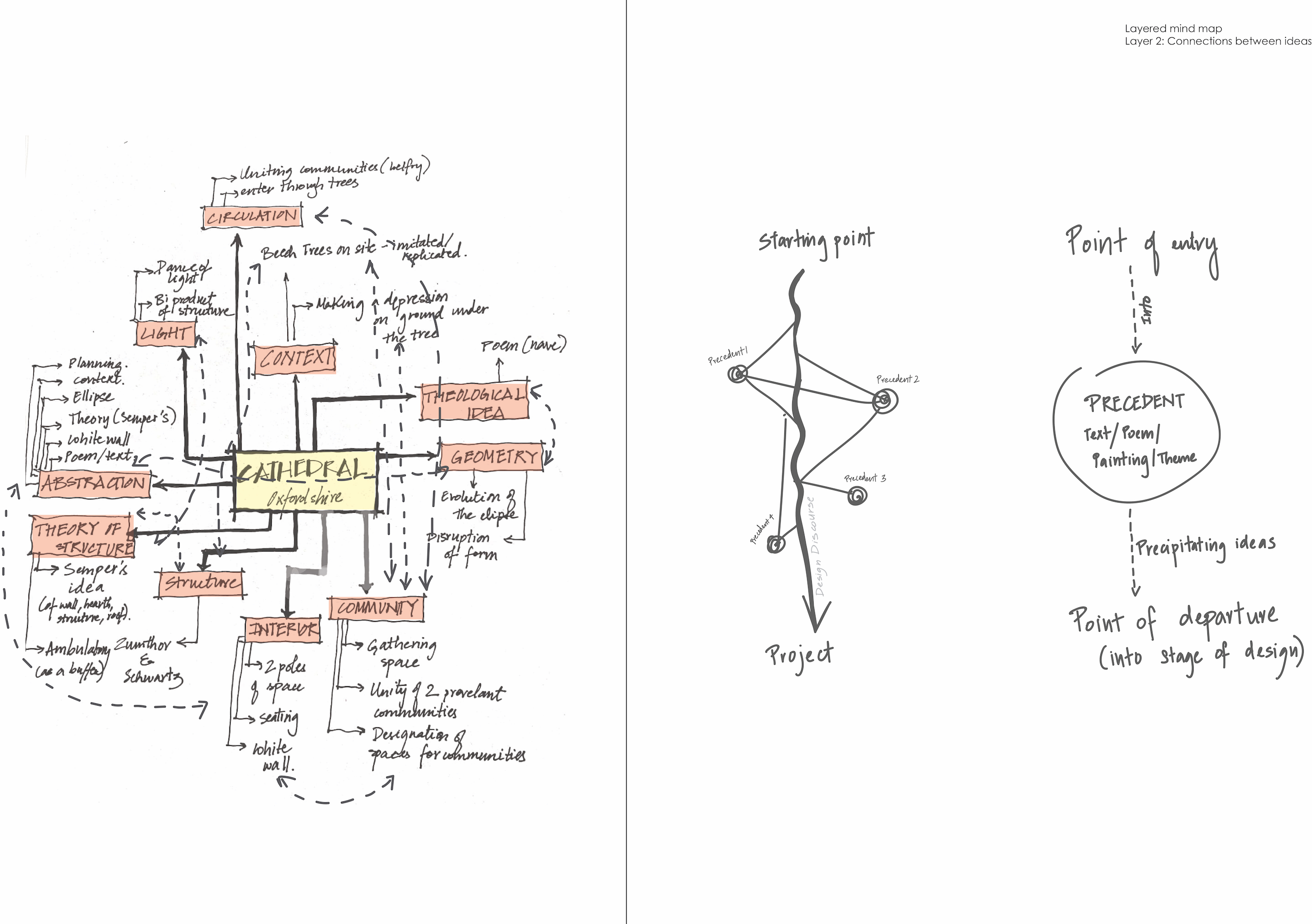
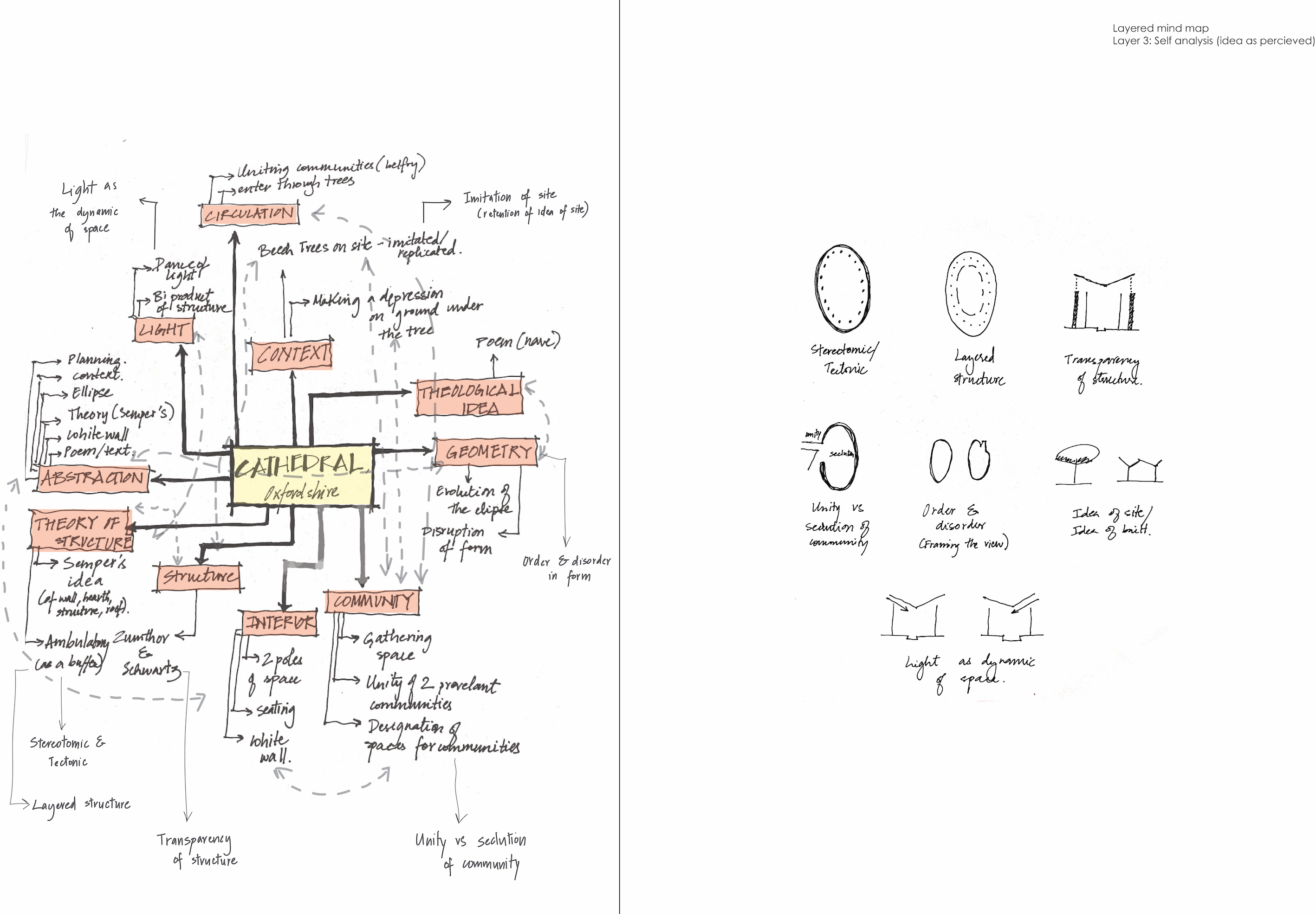
Click on the images to enlarge.
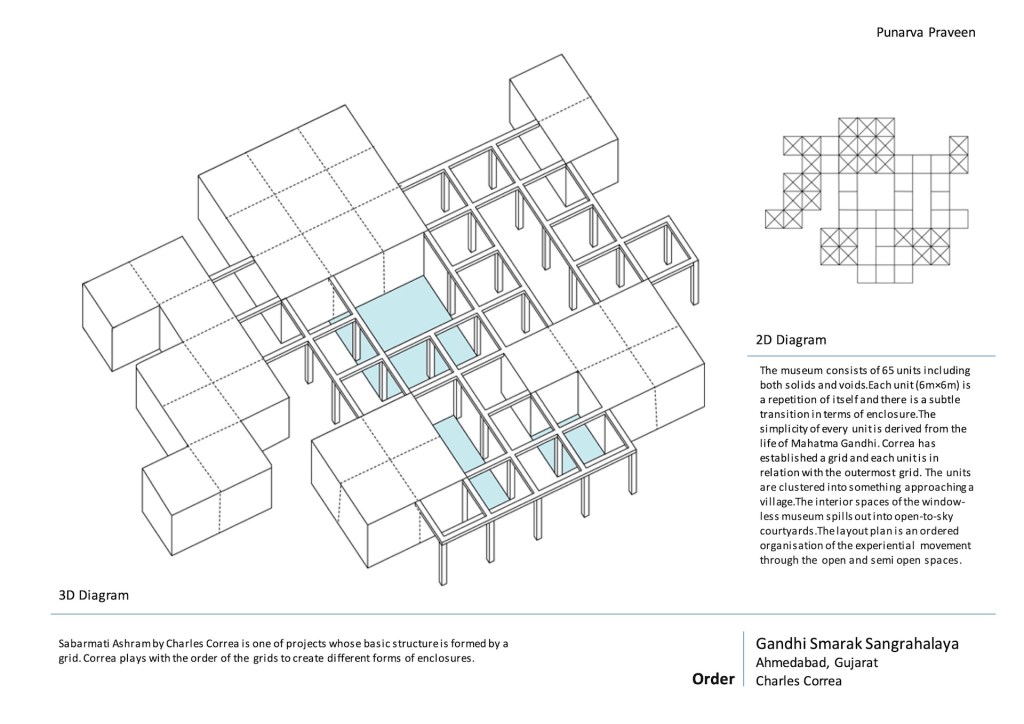
Diagrams – Theory 1

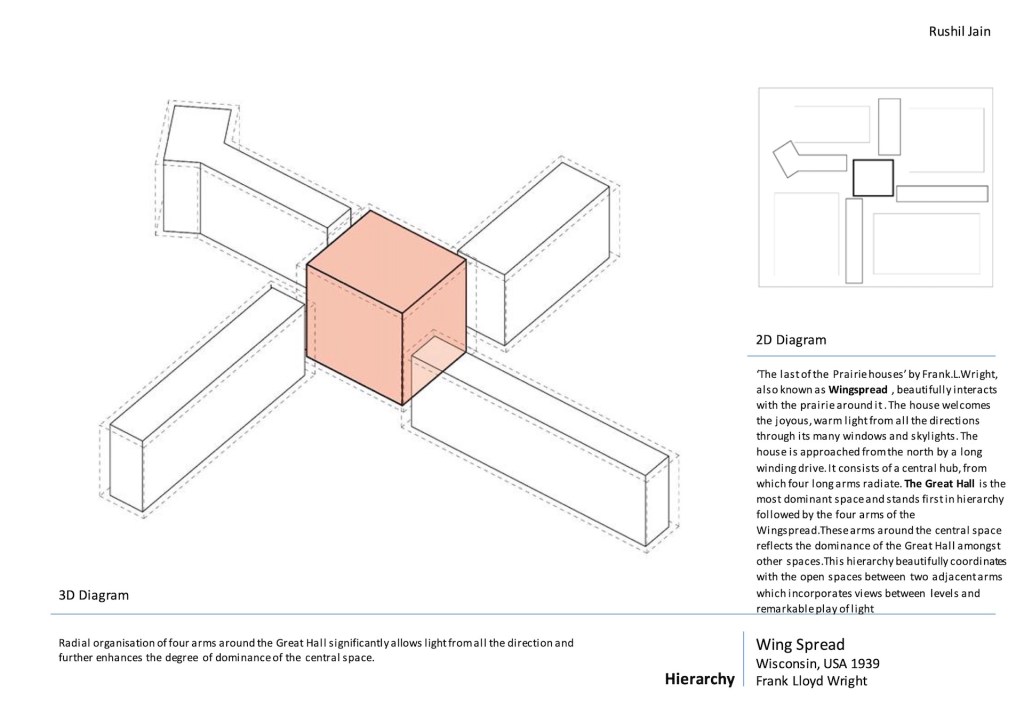
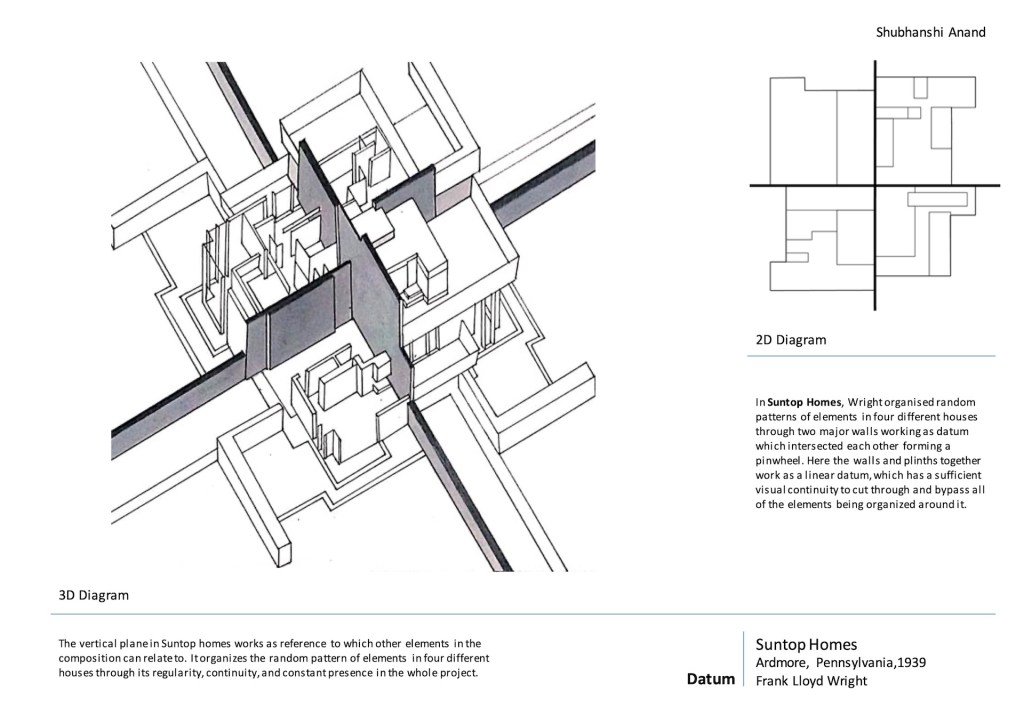
Here are some diagrams the students made for the Theory 1 (Sem 3) course. We discuss the basic ordering principles this semester. Each A4 poster had to explain an idea/ ordering principle supported with 2D, 3D diagrams and supporting text explaining the intent.

Credits on each page, Batch 2019 , Semester 3, WCFA

Here are few more from the class :

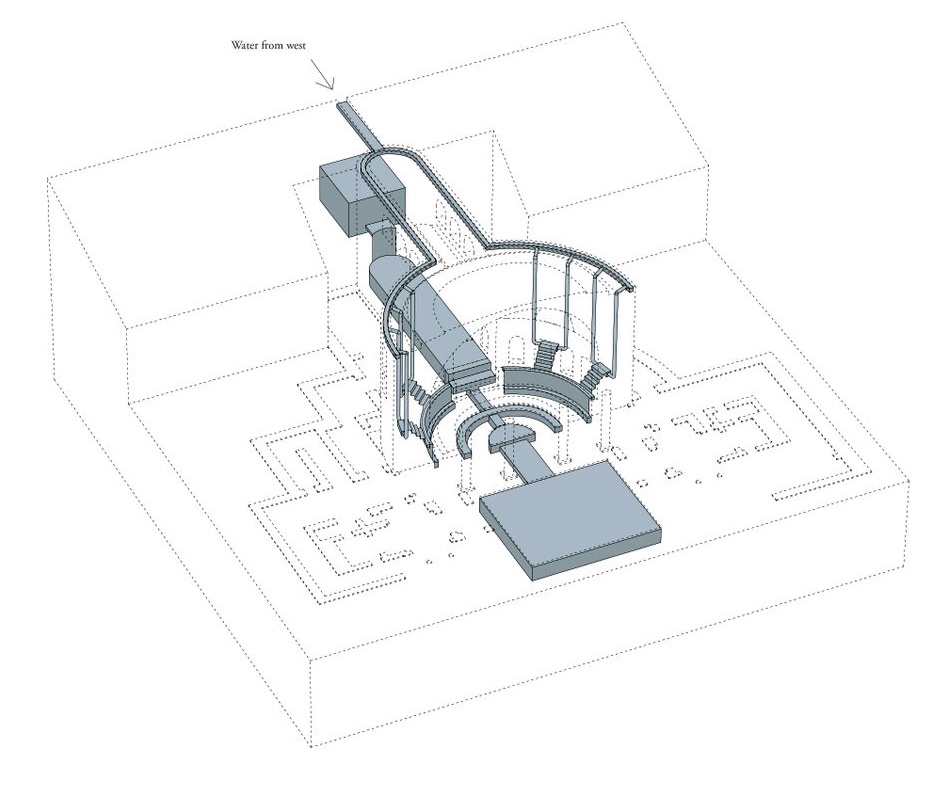
Here is one of the drawings we referred for this assignment. A brilliant drawing from Richard Green from Yale

Semester 6 – Institution

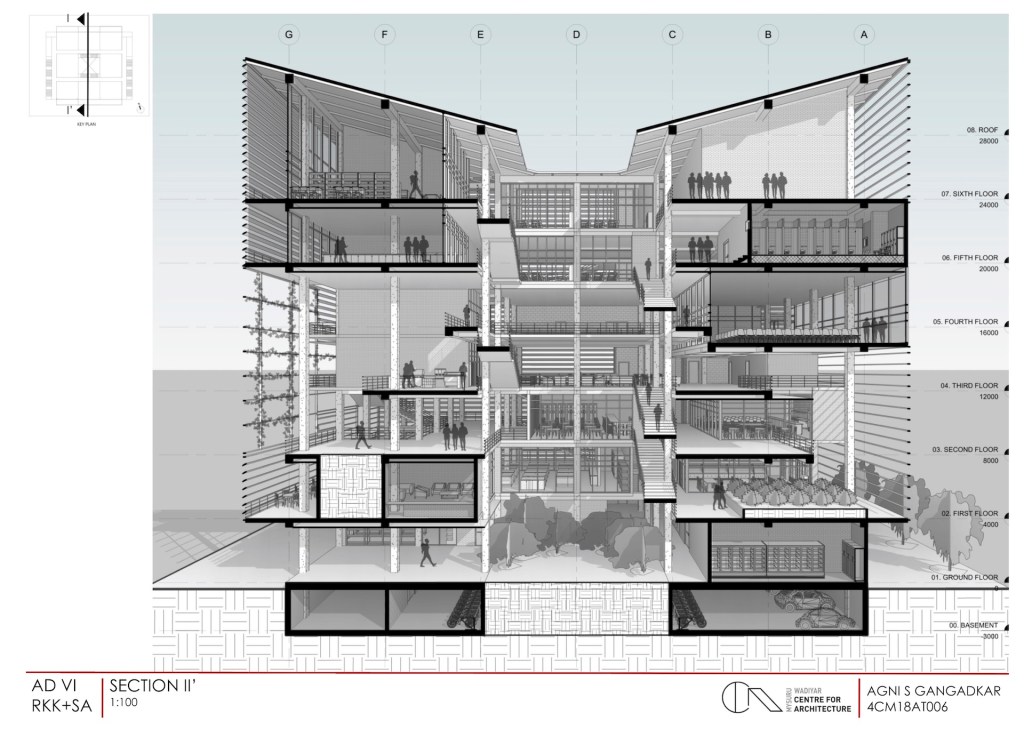
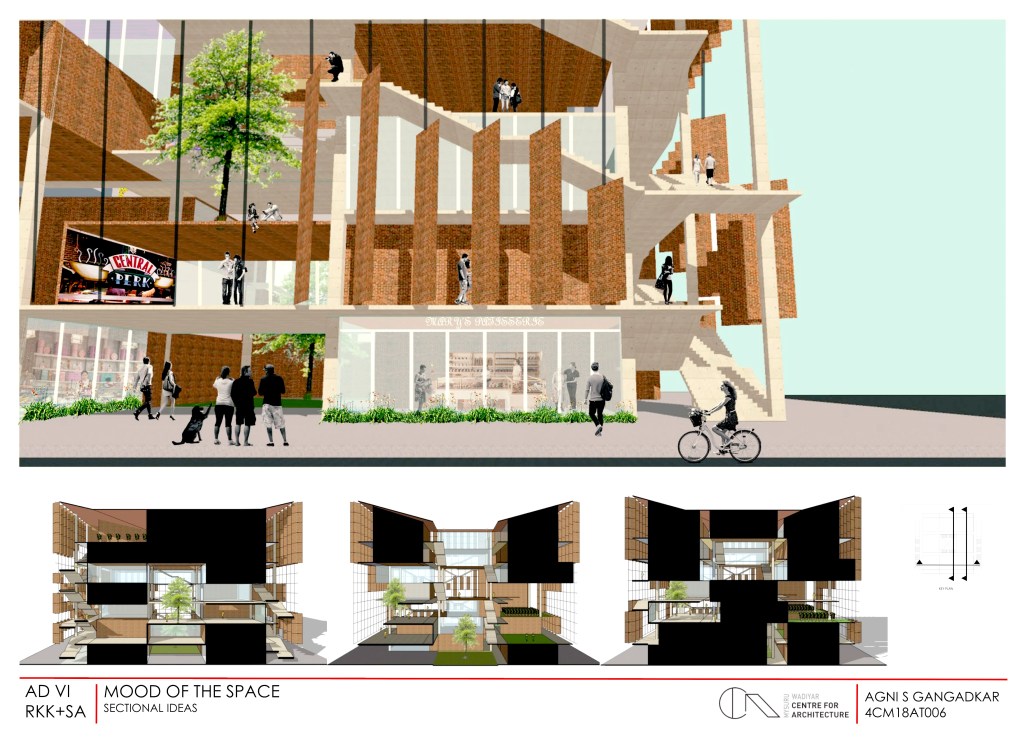
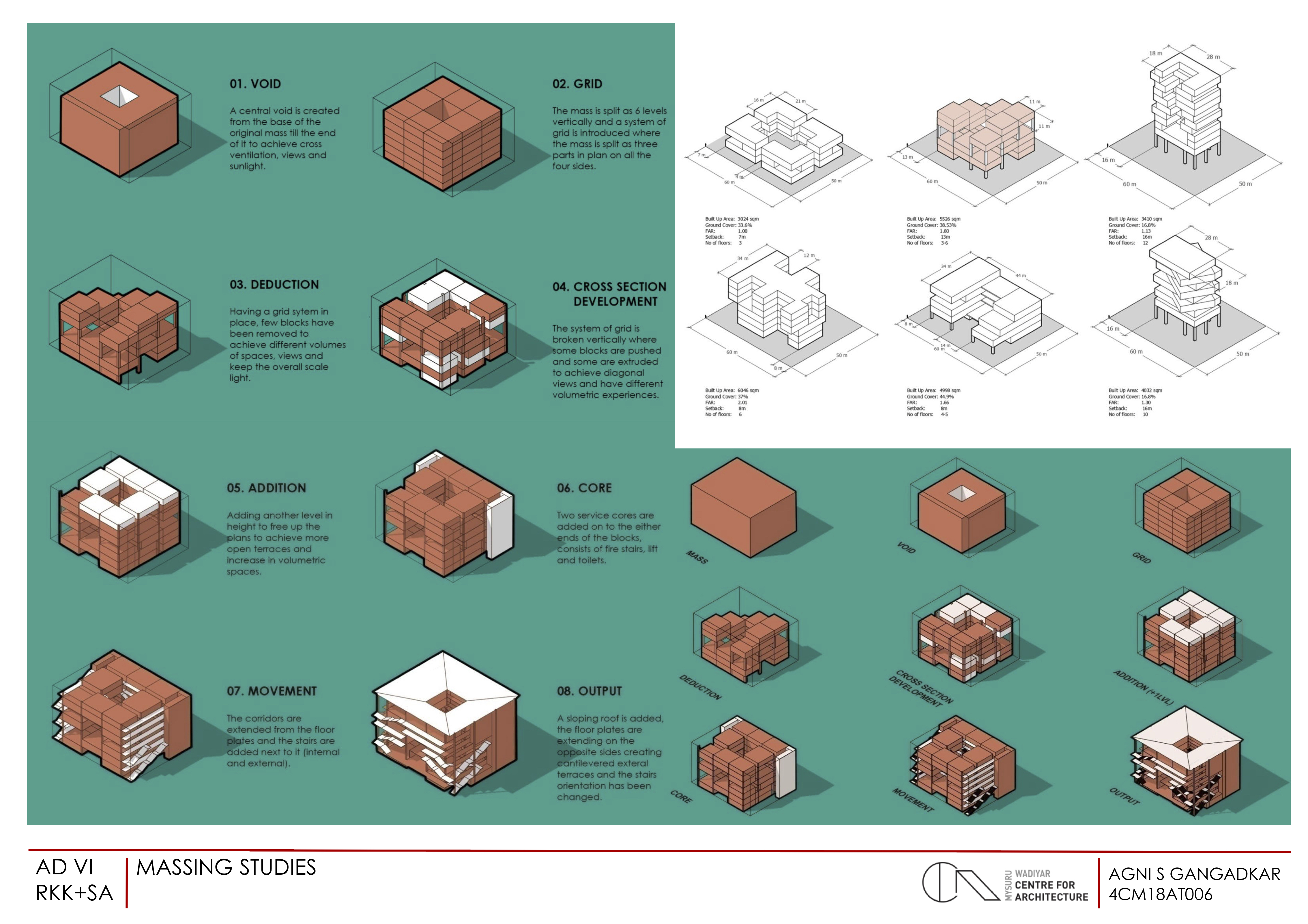
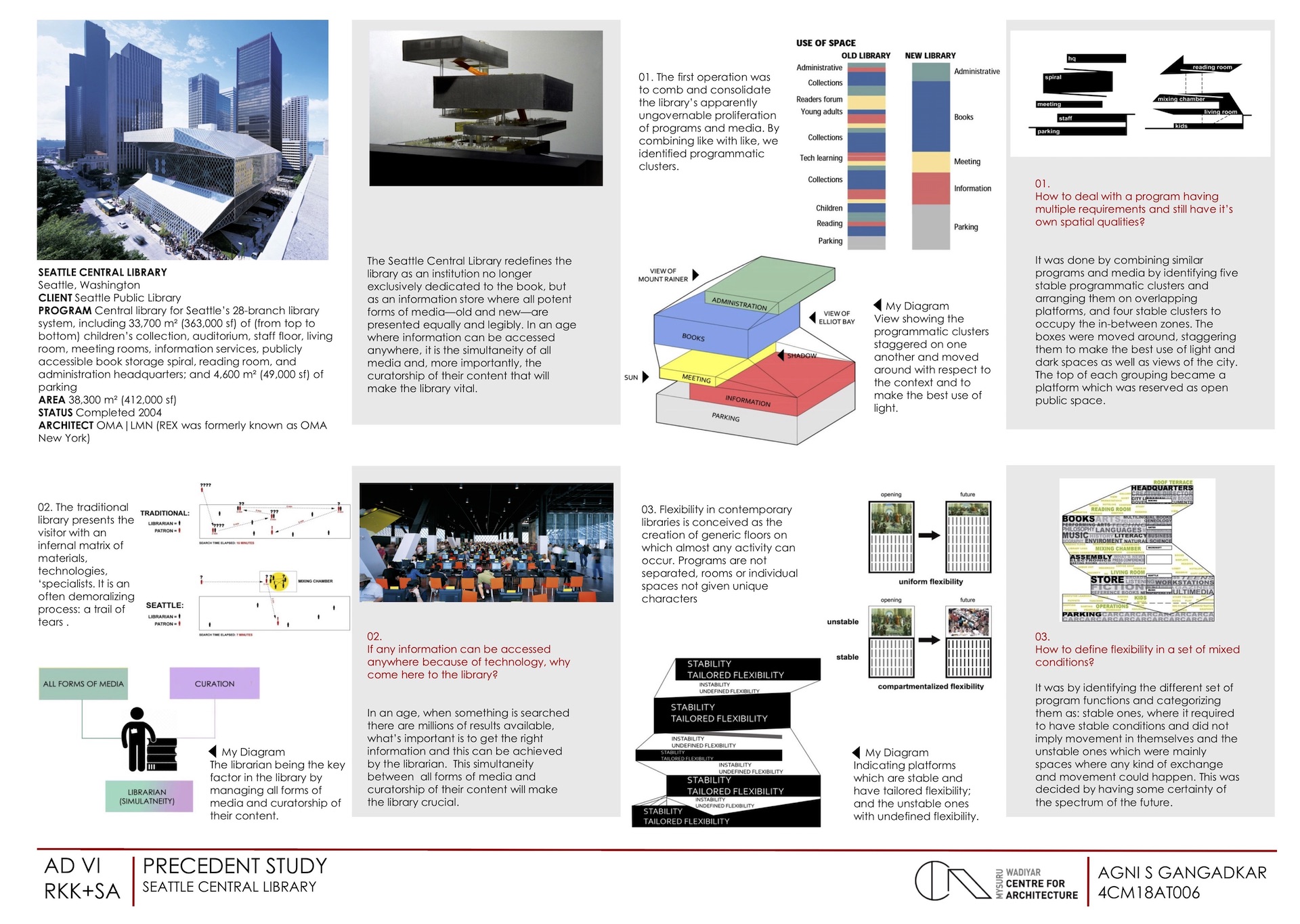
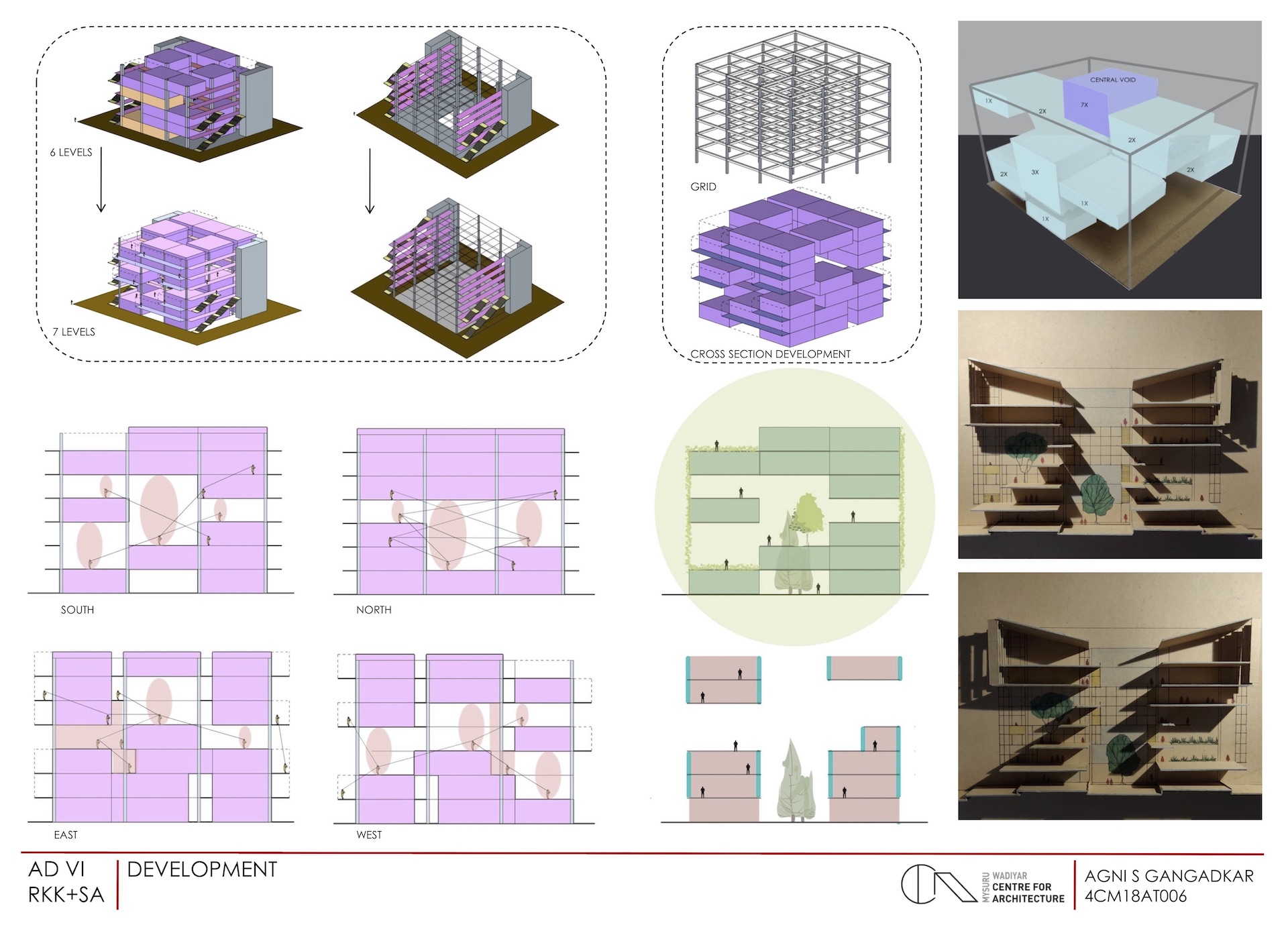
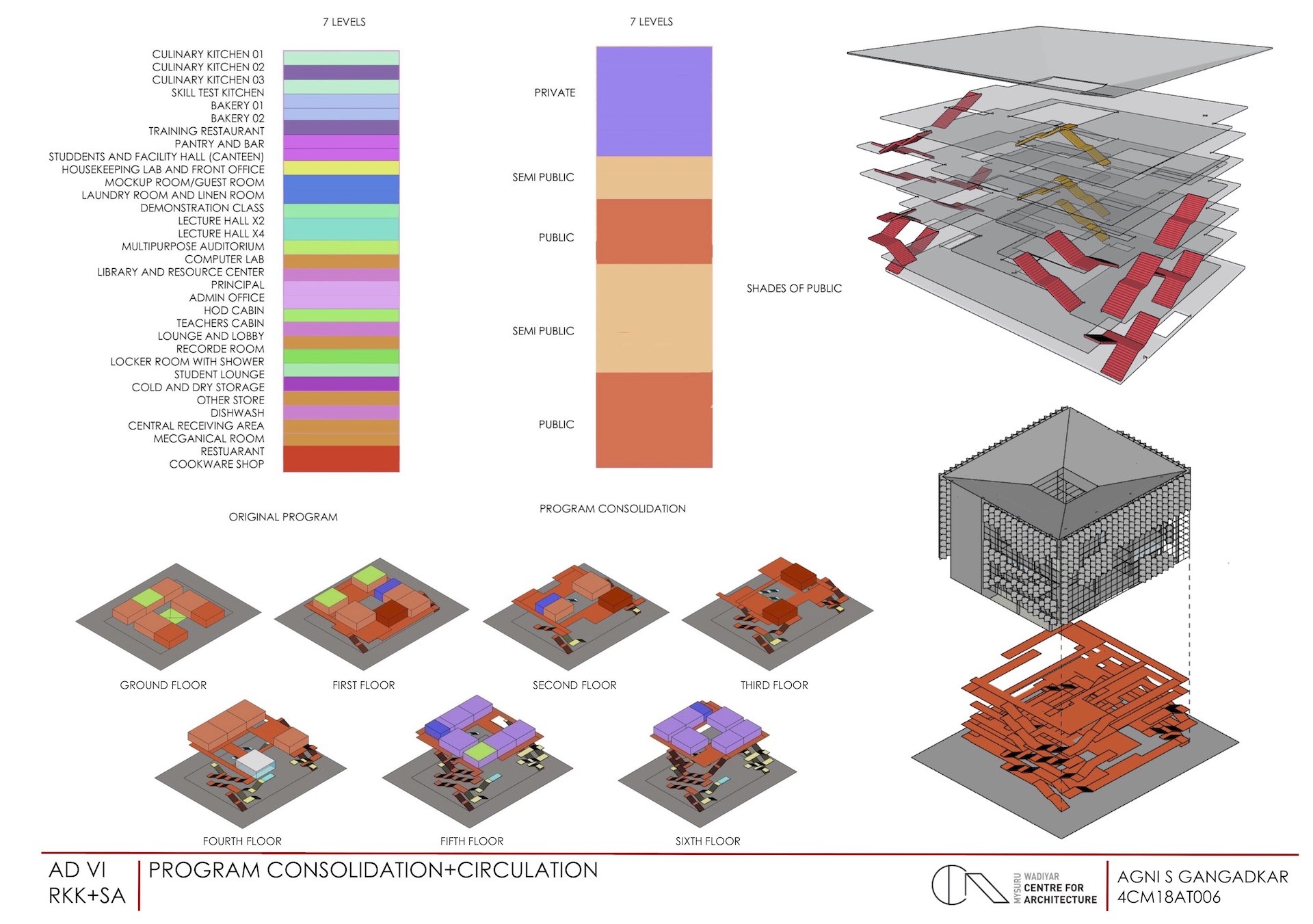
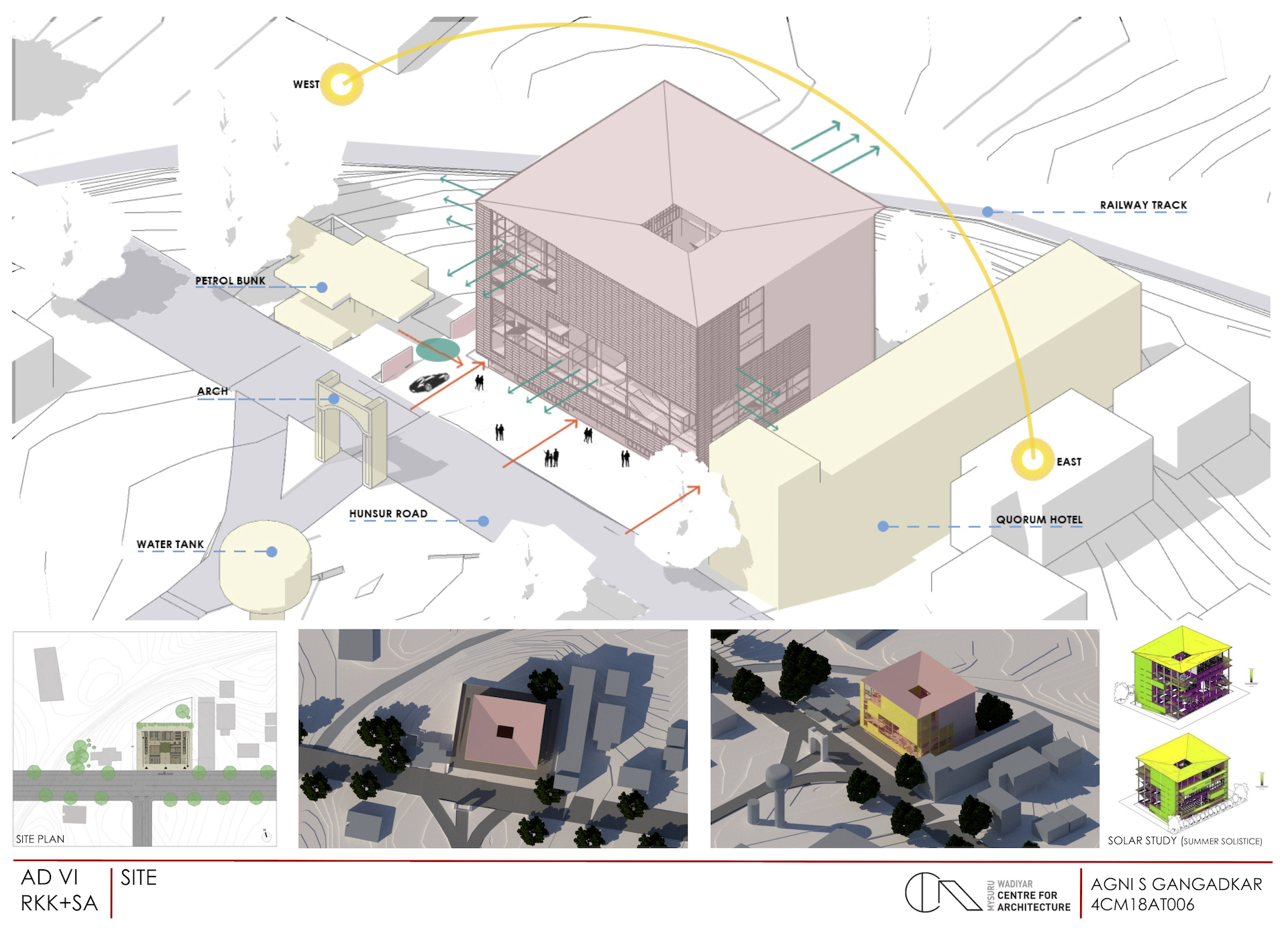
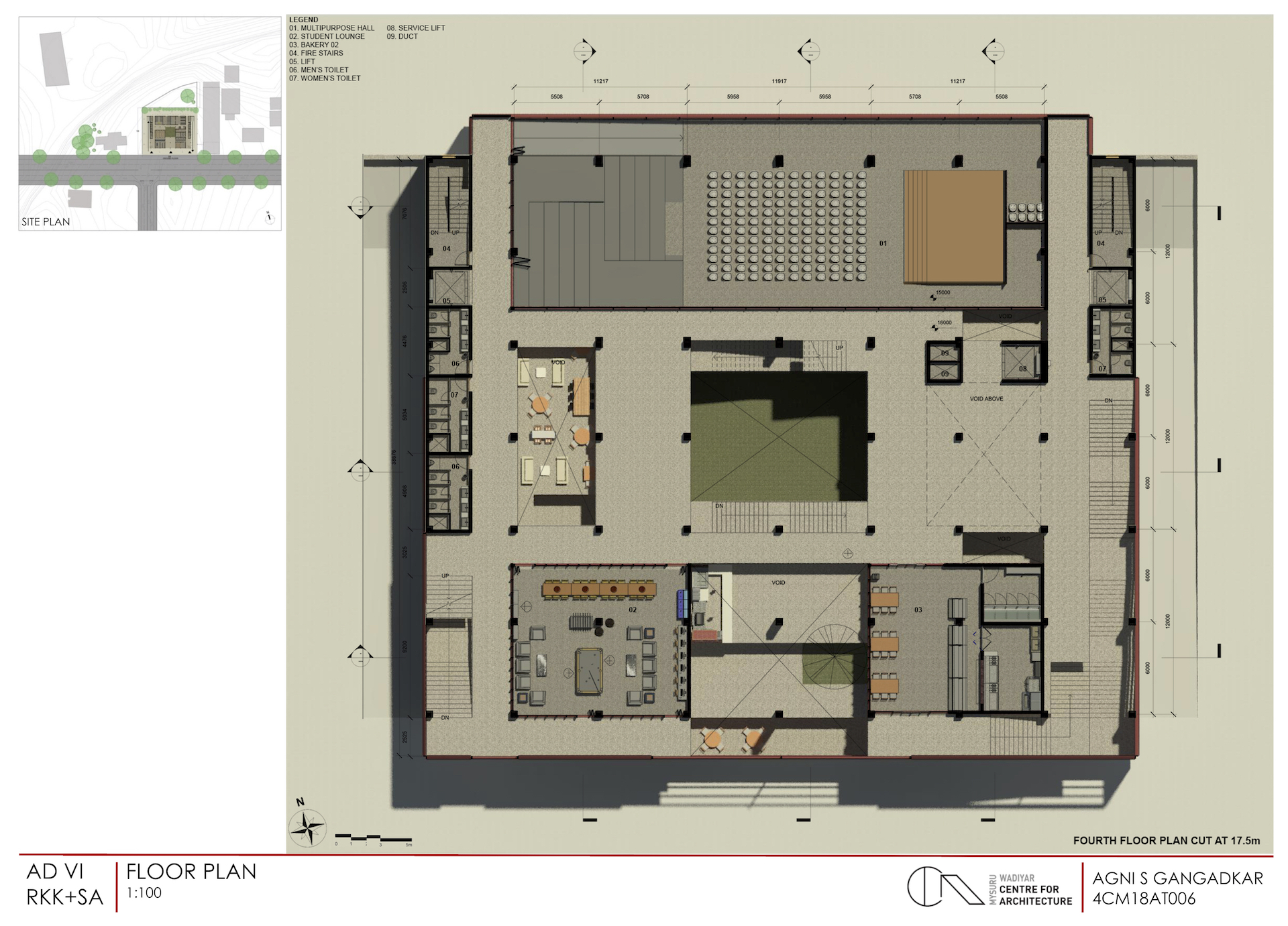
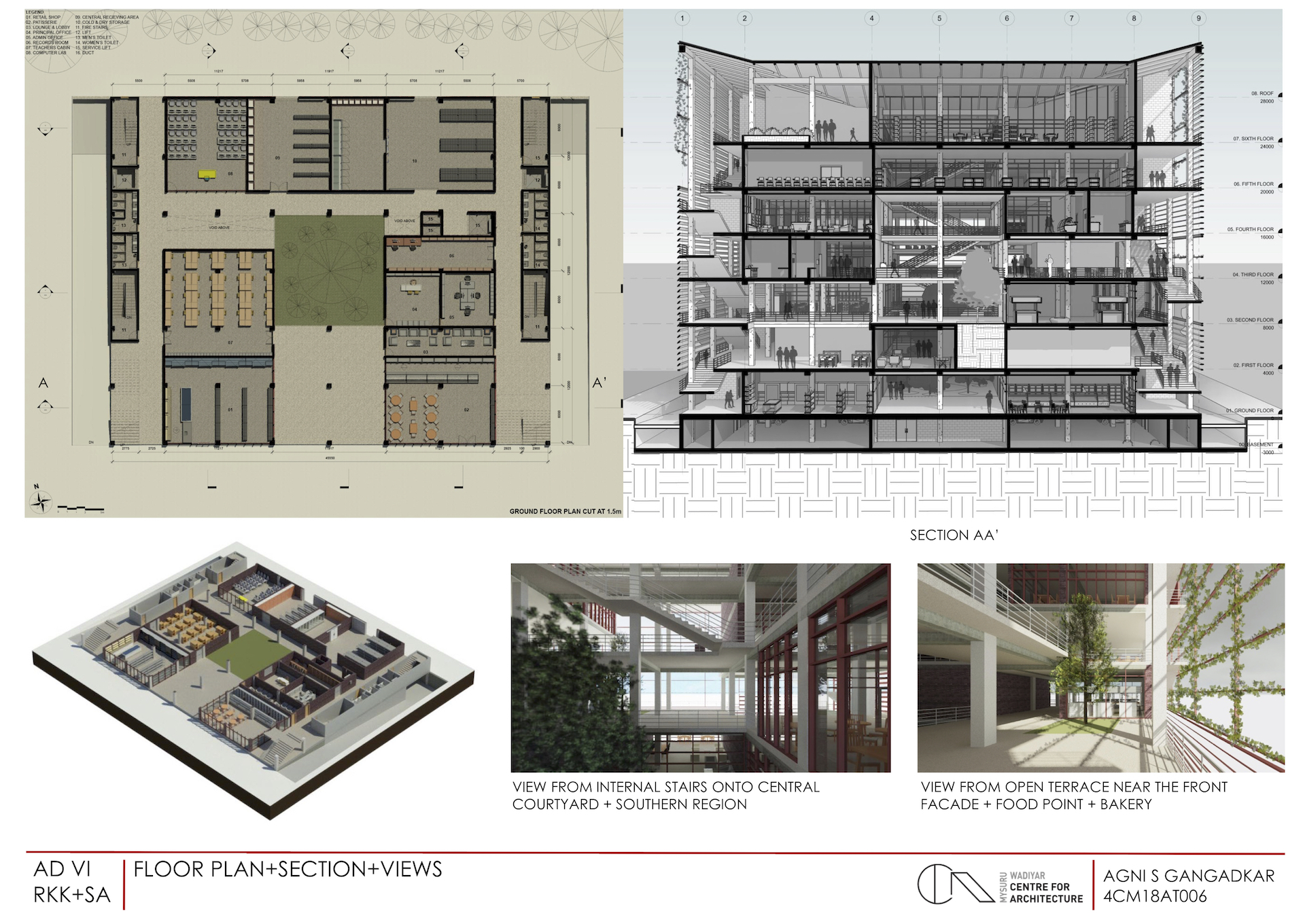
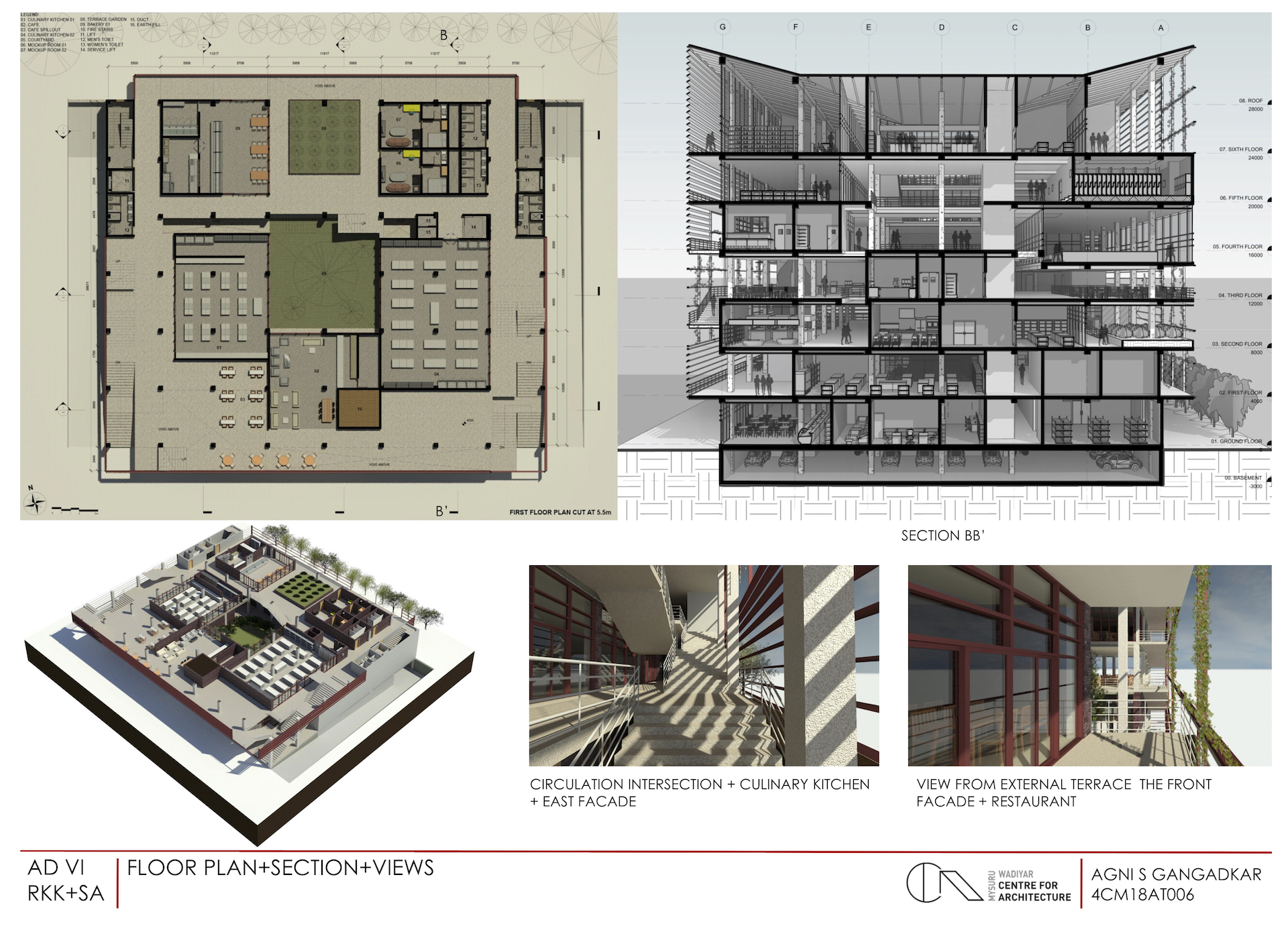
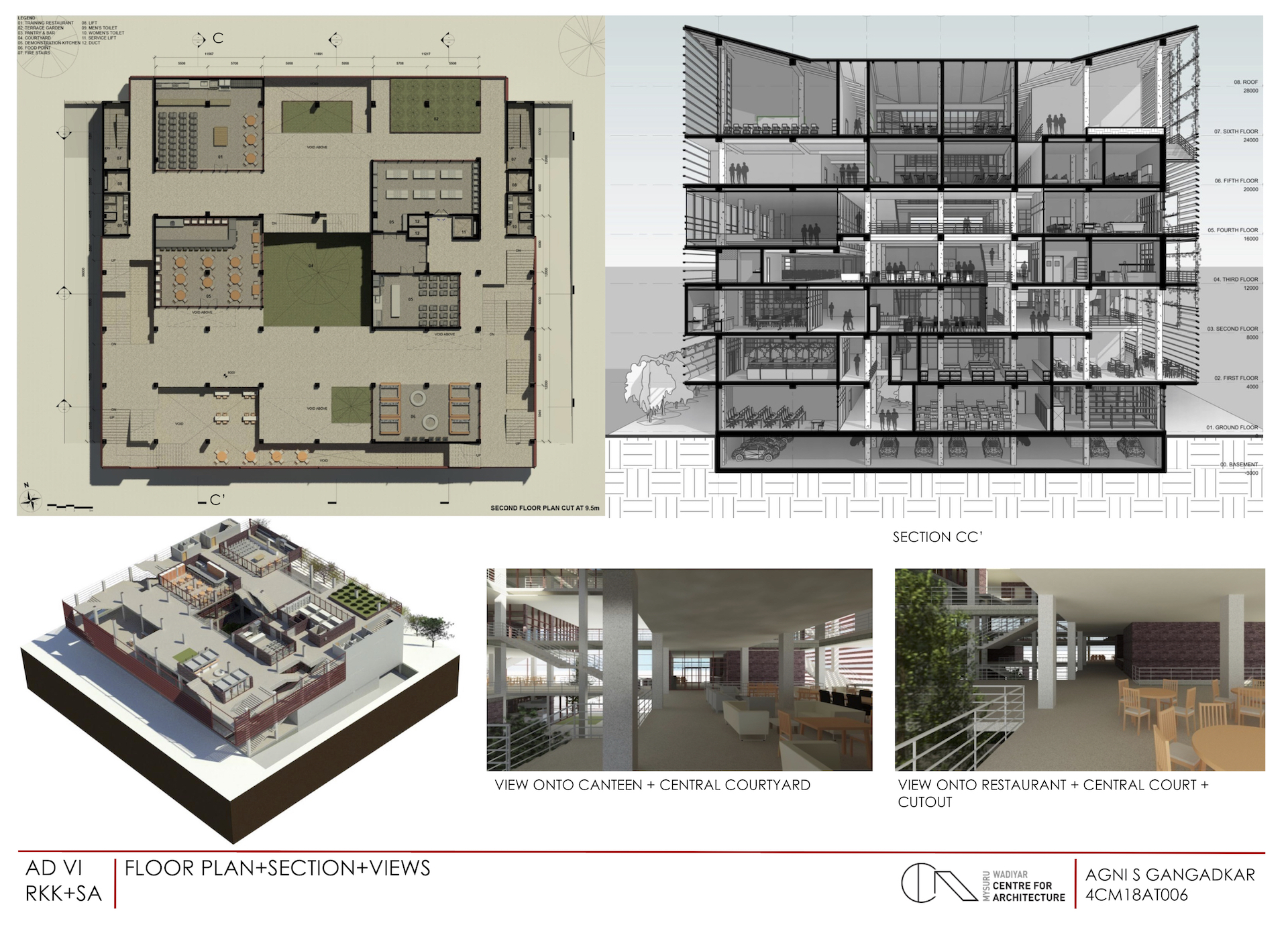
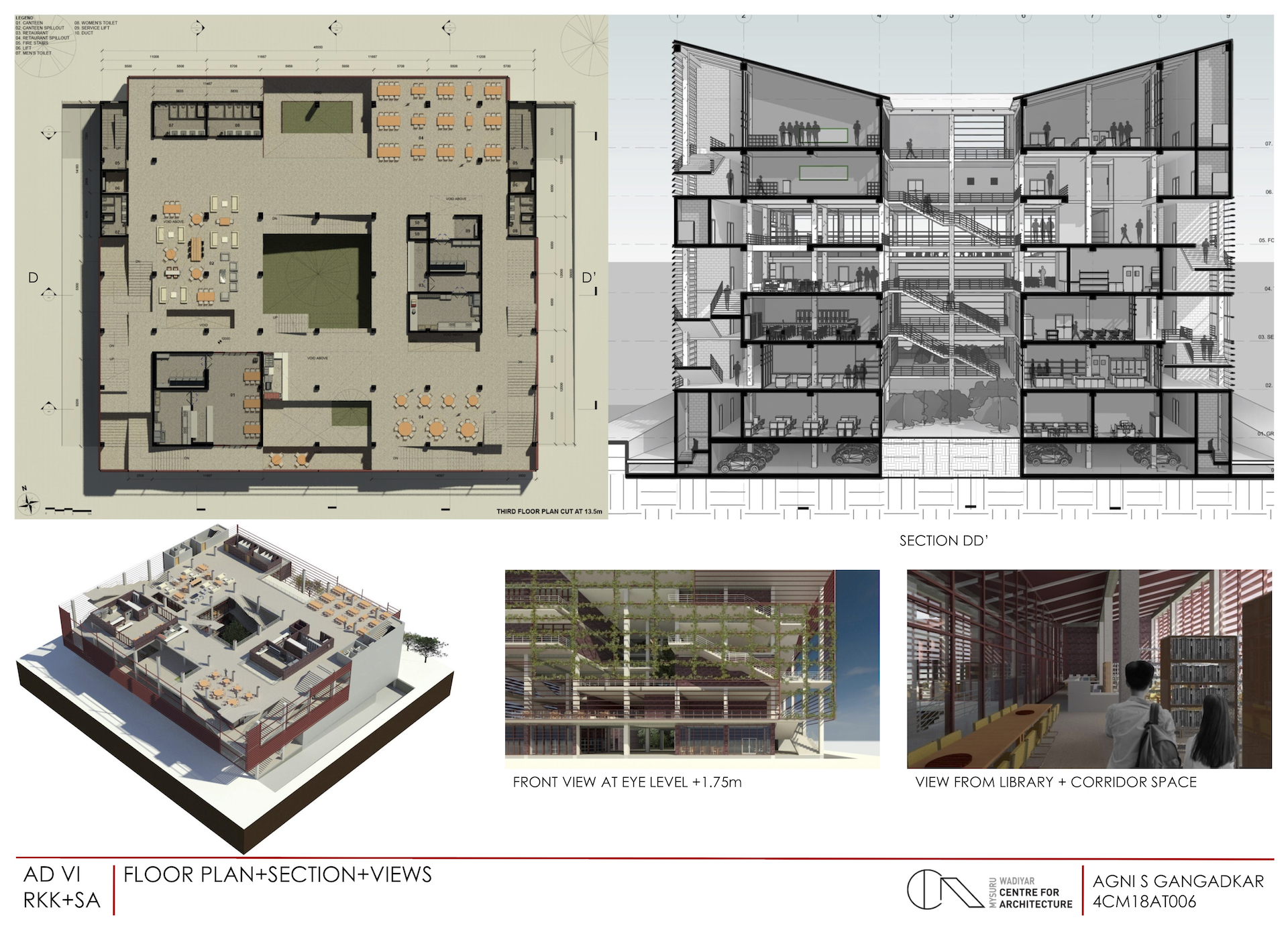
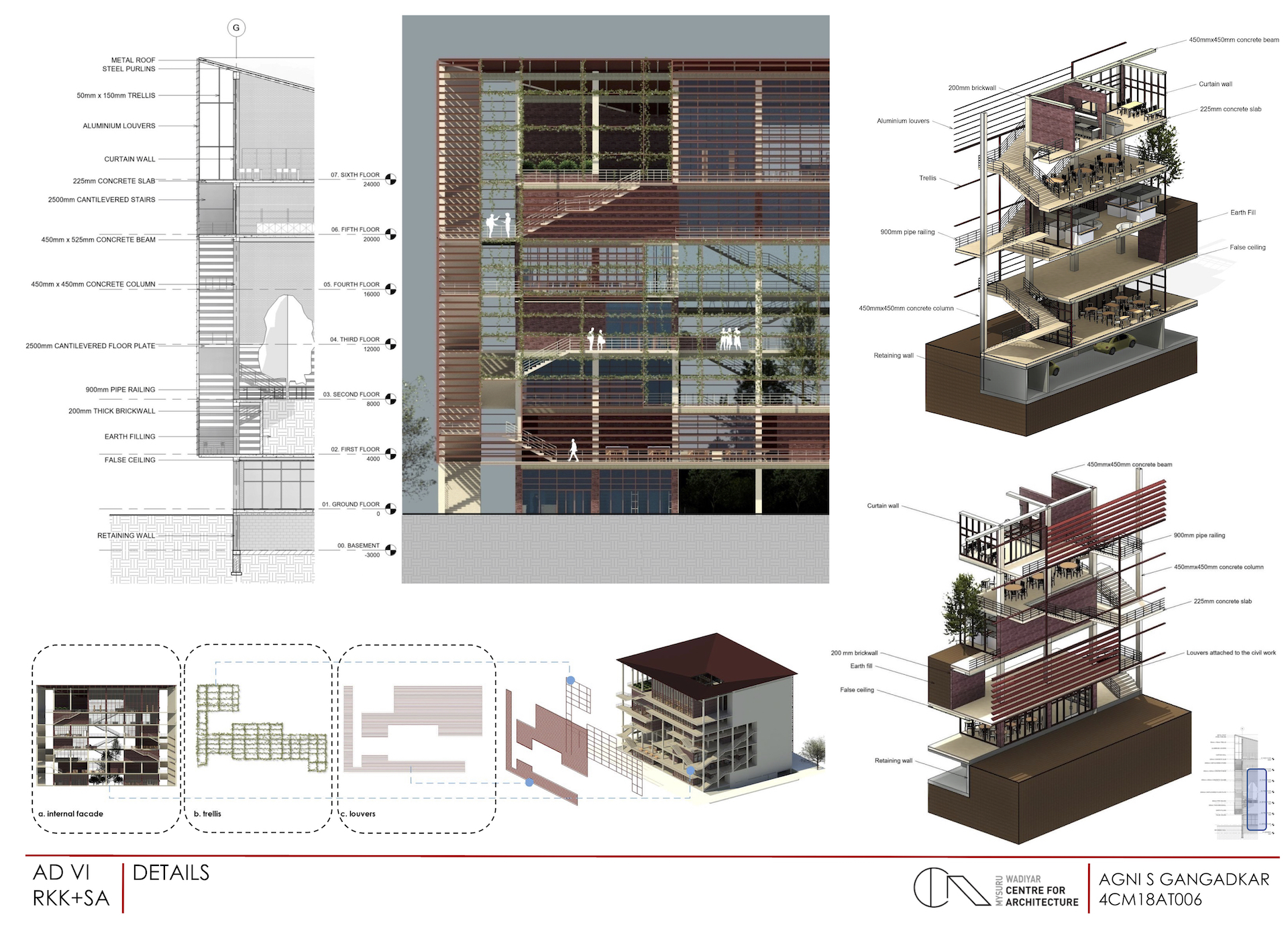
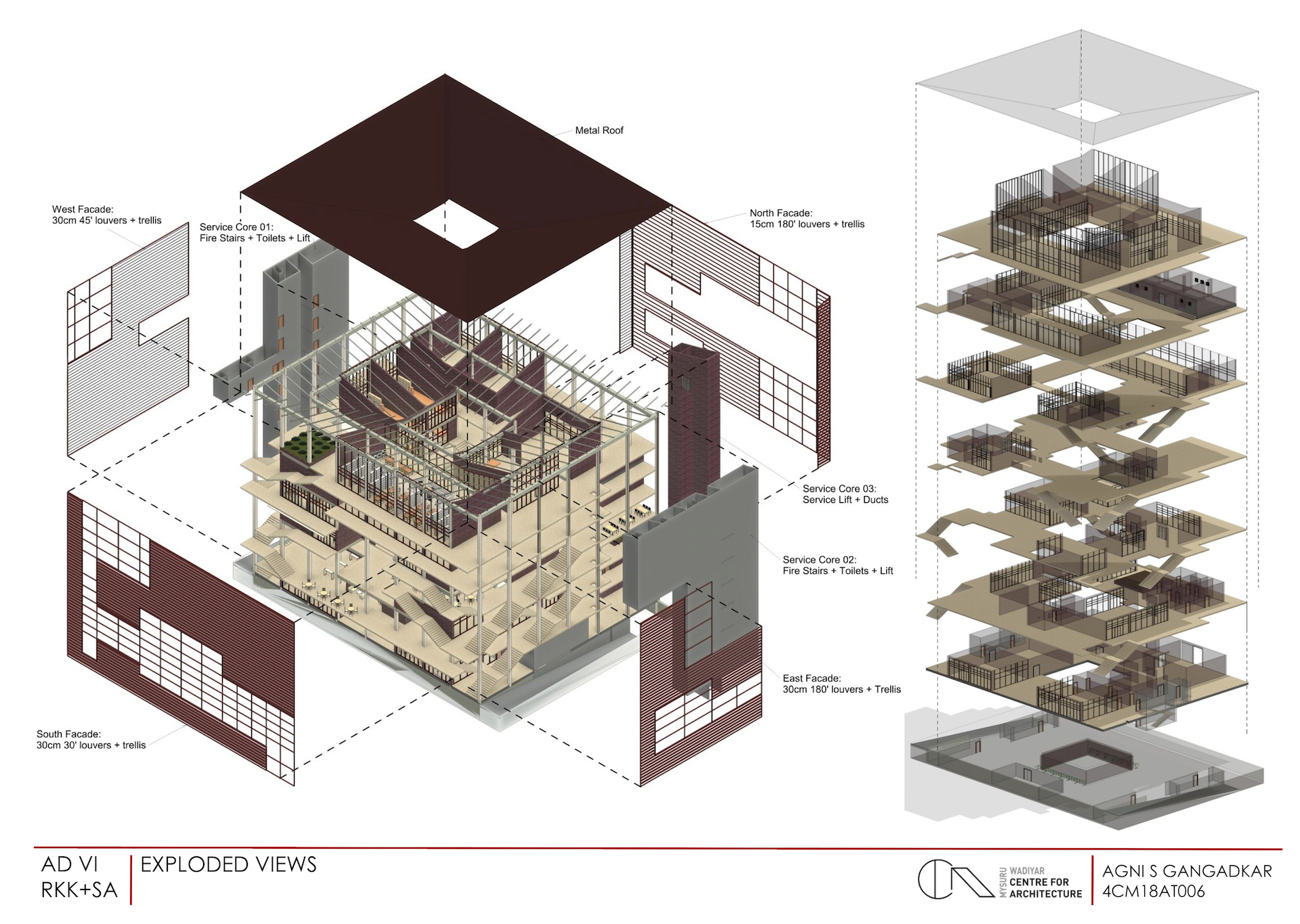
In continuation to the previous post on framework for the brief of Semester 6, here is the attempt by Agni to respond to that enquiry. Agni explored both the possibilities of the grid in plan and section to create social spaces of different scale within the built form. The circulation smartly navigated the mixed use program enhancing and revealing the qualities of the publicness. And each of these spaces were were made distinct by the degrees (materiality, translucency) of the enclosure.

Student : Agni S Gangadkar (WCFA Batch 2018)
Faculty : Kiran Kumar R and Suren Aalone

Here is the complete project :

Framework – Sem 6

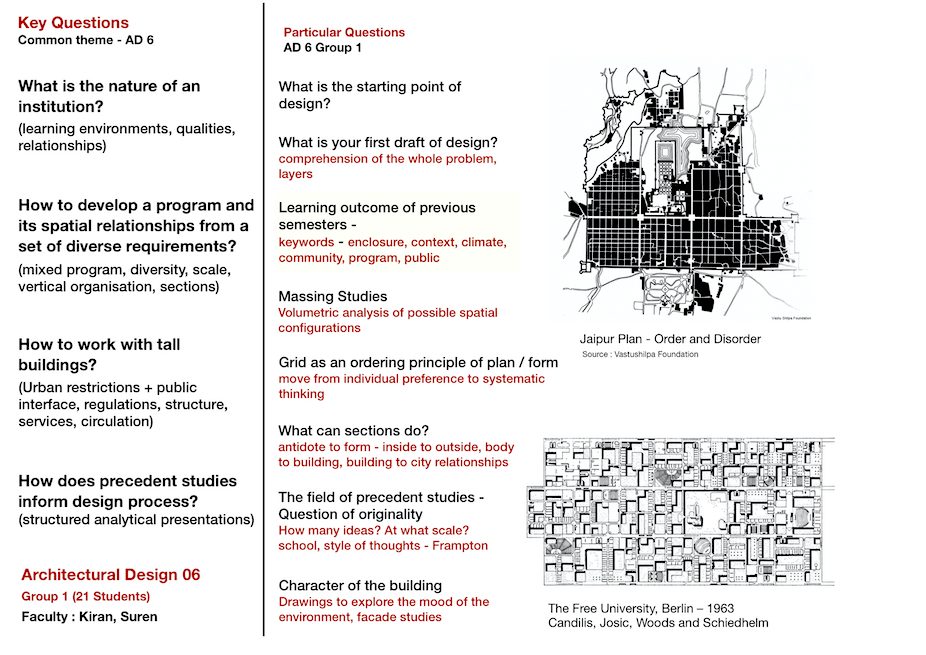
We just ended a challenging online sixth semester at WCFA. Below image is our final reflection of the semester. Documenting on the learning outcomes both for the student and faculty. When Aabid Raheem had a come for a review at WCFA two years back, he did a very interesting thing. He gathered all the students before the review and discussed the ‘learning outcomes’ from that semester. Later the discussions were calibrated with the domain of this ‘learning outcome’. Since then i have attempted to consolidate the learning outcomes for myself and the students. Whats on the left is common ground for the four different groups for the semester. Each group made the enquiry particular. Below is the particular approach my group took. This consolidation allows to reflect on pedagogical framework. 

WCFA, Batch 2018, Co Faculty – Surendran Aalone

Sequential Diagramming

Sequential diagramming (not sure where I came across this term or if I cooked it up) is a way of showing process with continuity. It makes the rigour visible and the journey of the thought with all its deviations and convergences. Here are some of the origins of the idea and its possibilities.

In days of still camera, Eadweard Muybridge’s photographic series ‘Horses in Motion’ (1870’s) is believed to have helped the invention of the movies or the moving images. Muybridge’s work was commissioned by Leland Stanford. This experiment was to find evidence for a huge bet to prove that when a horse gallops, does any of the feet touch the ground. Muybridge set a series of cameras in a sequence triggered at planned intervals. He was able to prove that all the legs of the horse are in air at a particular movement. A wonderful example on the important of capturing the ‘sequence’

.

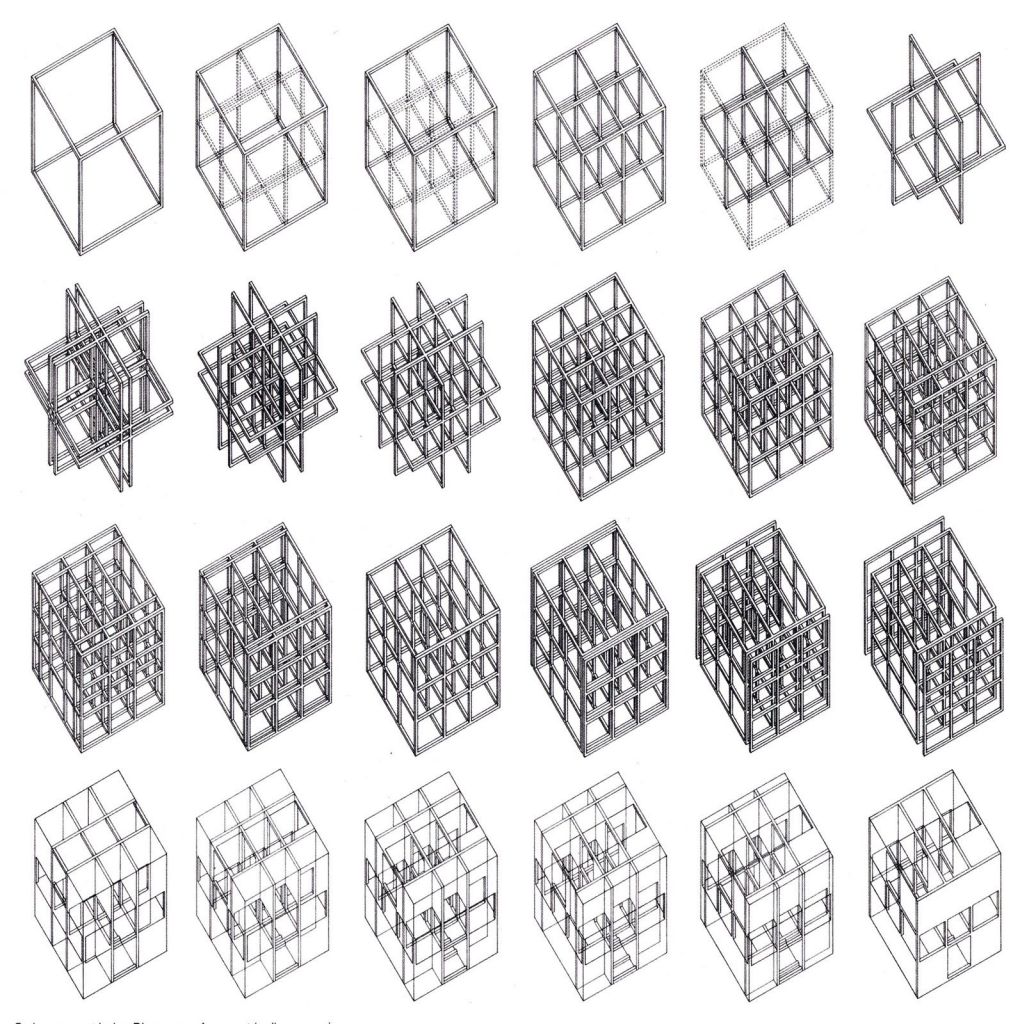
Eisenman always used this method of tracing the process from the starting point – the cube in this case. For him this ‘sequence’ was inevitable. Pronouncing these spatial operations became the evidence of his thinking process.

.

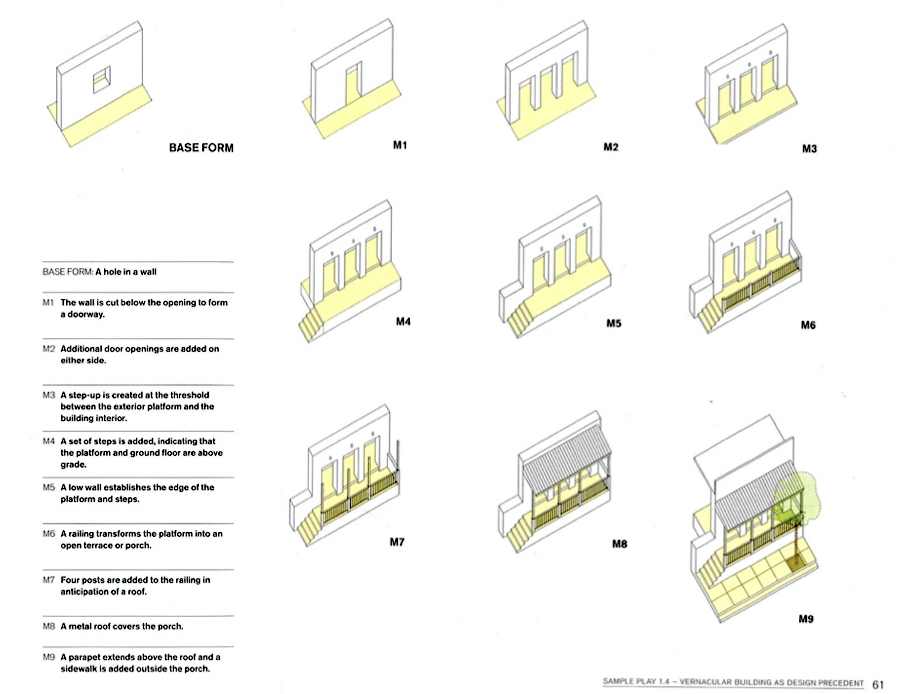
This is a drawing from John Habraken’s must read book for academics : ‘ Conversations with Form’ where the process of design is recorded in a this analytical method. This is the original trigger for this piece.

.

Vaishnavi’s (WCFA, Batch 2018, Sem 5) diagrams here happened almost at end of the semester for a public building design. Here rather than diagrams generating ideas, it helped her consolidate and give a comprehensive weave to all the fragmented enquires from the earlier process.

.

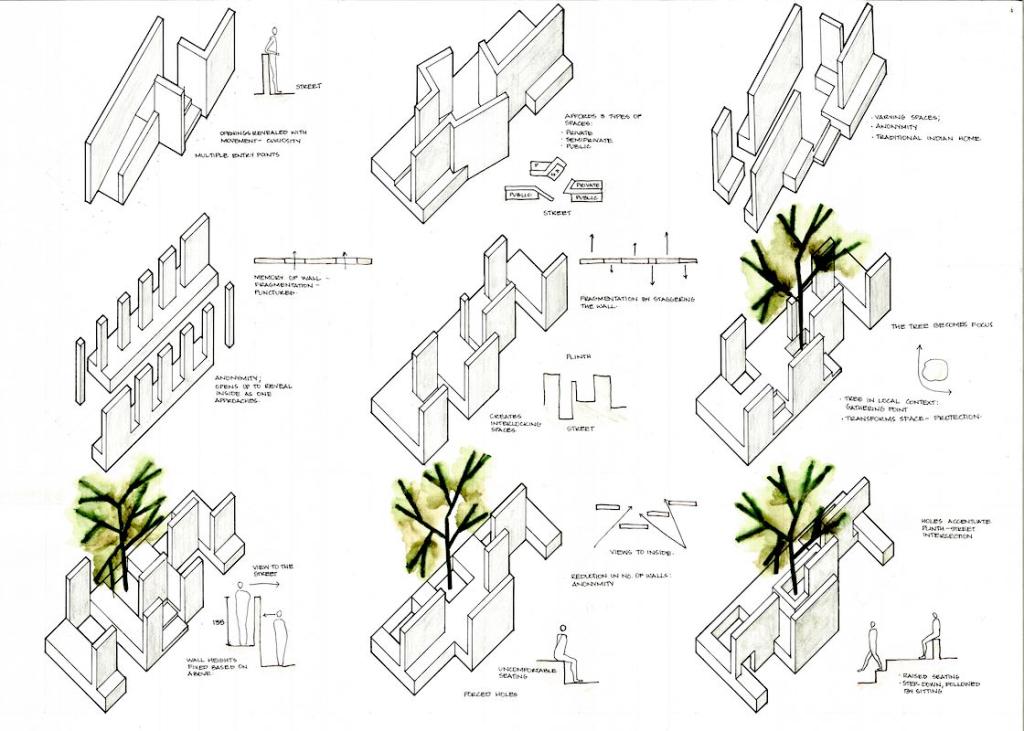
Atul’s (WCFA, Batch 2018, Sem 2) here crisply captures the different options on how a wall negotiates the threshold of moving from a street to a residential neighbourhood. This design exercise was an extension from Habraken’s methodology

.

Nagashree’s (WCFA, Batch 2018, Sem 2) design is a different outcome of the same brief as above.

.

Tony’s (WCFA, Batch 2017, Sem 5) explores here the possibility of ‘three dimensional verandah’ and conditions of movement in a public building.