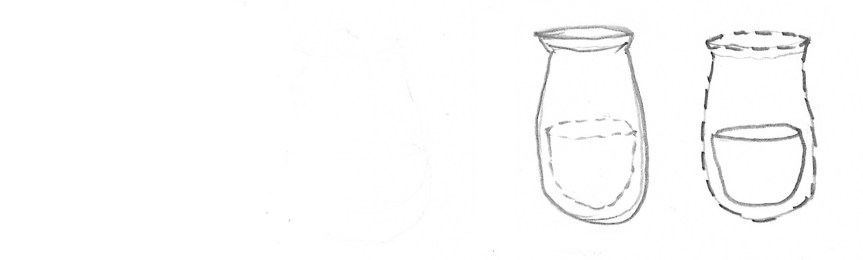
- The size and strength and gender of the hands (if hands) that would manipulate it.
- The way it is to be transported – head, hip, hand, basket or cart.
- The balance, the center of gravity, when empty, when full, its balance when rotated for pouring.
- The fluid dynamics of the problem not only when pouring but when filling and cleaning, and under the complicated motions of head carrying – slow and fast.
- Its sculpture as it fits the palm of the hand, the curve of the hip.
- Its sculpture as compliment to the rhythmic motion of walking or a static post at the well.
- The relation of opening to volume in terms of storage uses – and objects other than liquid.
- The size of the opening and inner contour in terms of cleaning.
- The texture inside and out in terms of cleaning and feeling.
- Heat transfer – can it be grasped if the liquid is hot ?
- How pleasant does it feel, eyes closed, eyes open ?
- How pleasant does it sound, when it strikes another vessel, is set down on ground or stone, empty or full – or being poured into?
- What is the possible material ?
- What is its cost in terms of working ?
- What is its cost in terms of ultimate service ?
- What kind of an investment does the material provide as product, as salvage ?
- How will the material affect the contents, etc., etc. ?
- How will it look as the sun reflects off its surface ?
- How does it feel to possess it, to sell it, to give it ?
Category: Blog
Watching : Pezo von Ellrichshausen’s Lecture
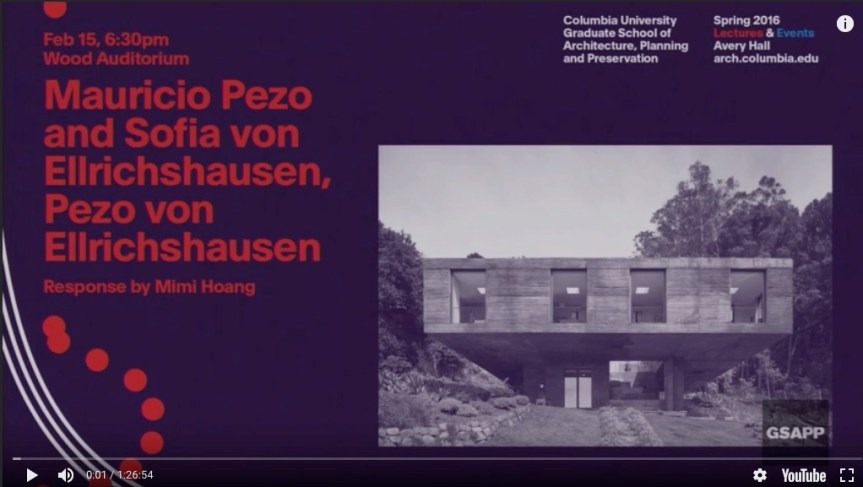
This blog is a reading around the lecture by Pezo von Ellrichshausen (An art architecture studio founded in 2002 by Mauricio Pezo and Sofia Von Ellrichshausen. They live and work in Southern Chilean city of Concepcion) This lecture was recorded on February 15, 2016 in Columbia GSAAP.
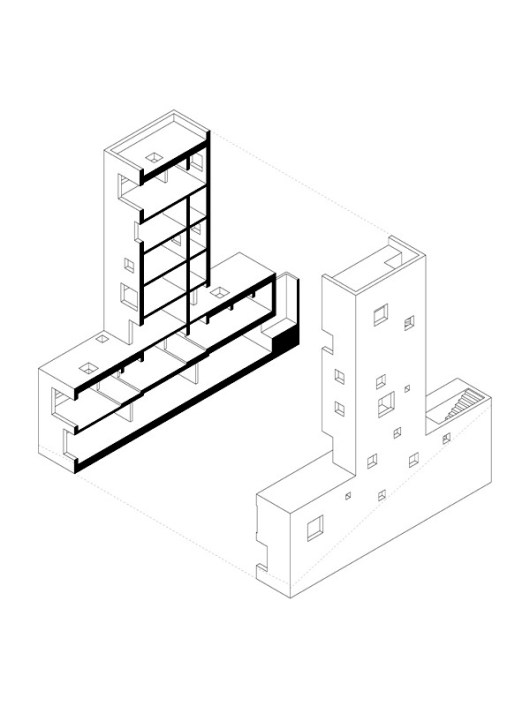
I am conscious and aware the of the value of a good lecture watched online, especially a thought provoking like the one here. My exposure of listening to people who are involved in architecture (academics and practice) outside my college in Mysore was very limited. I remember the first lecture I heard was in third year when I went to student event in Belgaum. My access to video lectures happened in a very minimal way only in the last 2 years of the undergraduate program. A habit very helpful in the exposure to ideas till today. With the ubiquity of the information available, I have a substantial regard for these online lectures. They are wonderful pockets of knowledge. Like this lecture by Pezo Von Ellrichshausen. I was drawn to their work for their crisp drawings and clean aesthetics. Especially the ‘sliced axonometric’. I was showing them as references for students. Even the plans and sections have impeccable clarity. So I was curious to know their process. The drawings always reveal the intention of the process. Prof. Doshi used to say in the design studio at CEPT, that one could sense the personality of the student by the way he or she draws.
It was liberating to hear them talk about how only few fundamental things informs their design. The keyword here is a ‘self referential’ object. Initially I assumed them to be European, as they have a rational clean-box approach. This practice is based in Chile, a developing country like us. Not to say that this clean-box aesthetics belongs only to developed countries. But the lecture throws a very different perspective. There are internal spatial rules, which informs the formation of space in their practice. This process does not borrow any other clues (context, landscape, etc) till a very late stage and only if needed. I find this very provocative in a subdued way. It has become a norm to place architecture inside the narratives of social, political and cultural contexts, which are also very crucial. But it sometimes fail to inform the fundamentals of space making. I admired their approach to keep the process fundamental and focussed, which is very difficult. In their monograph ‘Naive Intentions’ they mention “We do not only believe that there is no possible work of art without an institutionalized system that validates it but also that only a small percentage of that work has the real scope to interrogate the very institution that defines it”
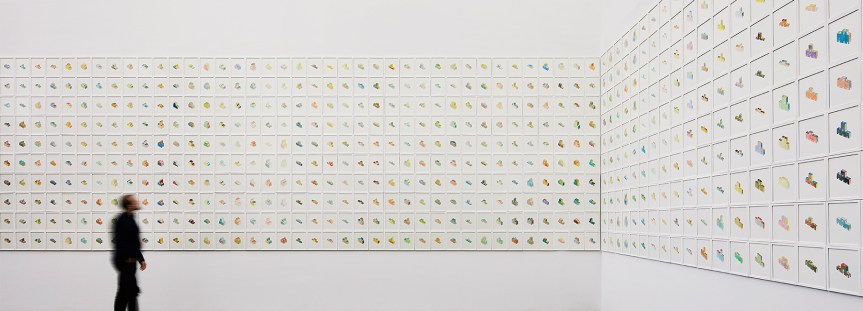
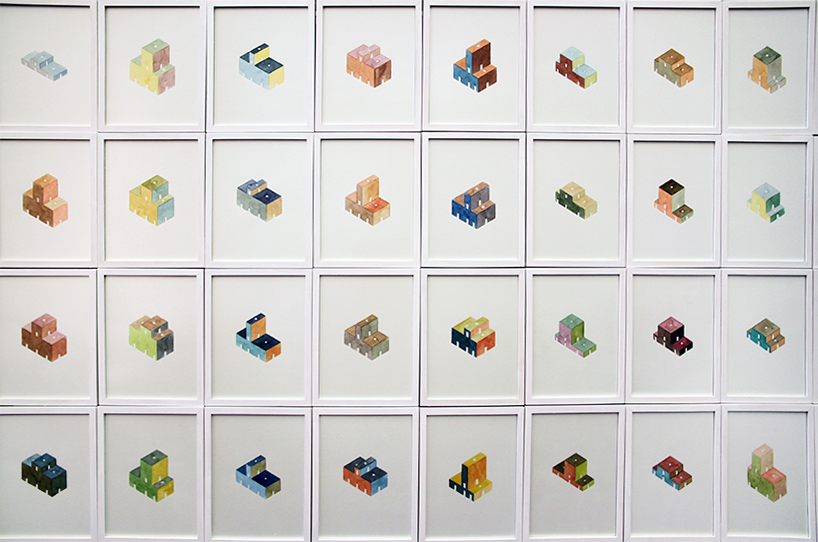
The following two images and interview is an part extract from their interview with Designboom on the exhibit they produced for the second edition of Chicago Architecture Biennale – 2017 (a monumental grid of 729 framed watercolor studies on the wall)


designboom (DB): can you talk a bit about what you are presenting for this year’s chicago architecture biennial?
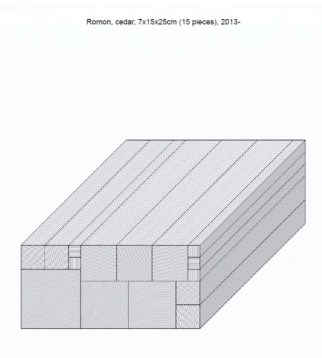
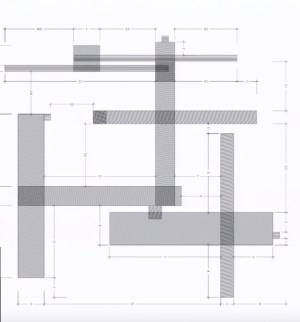
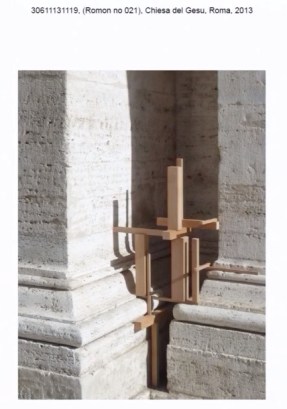
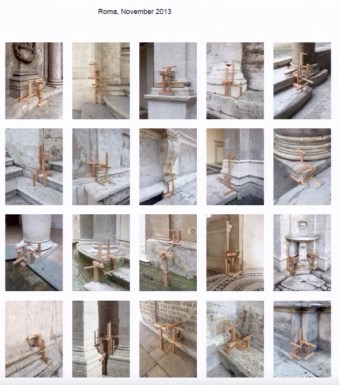
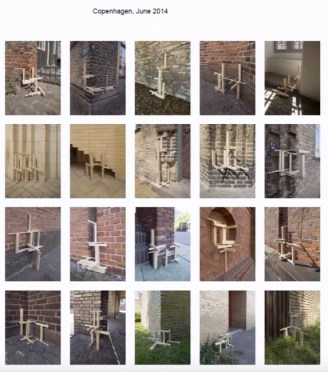
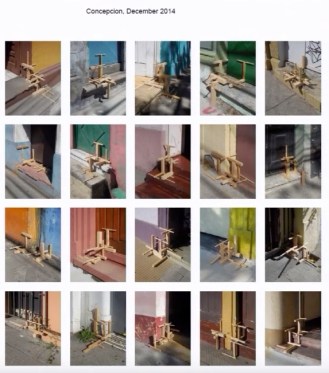
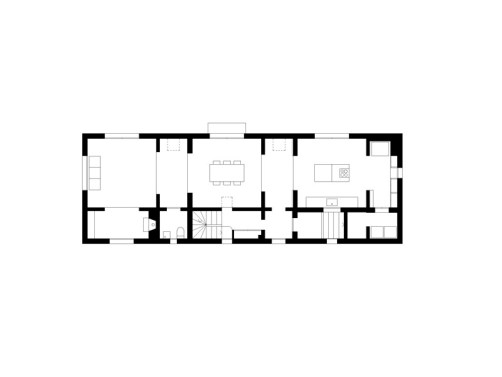
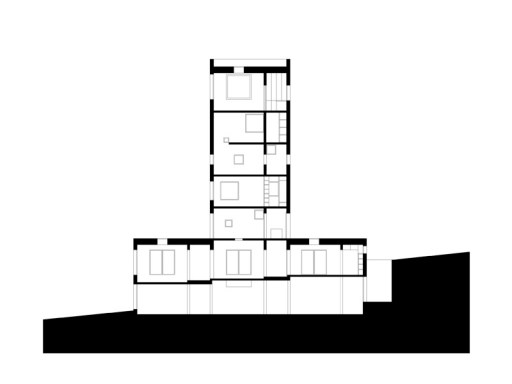
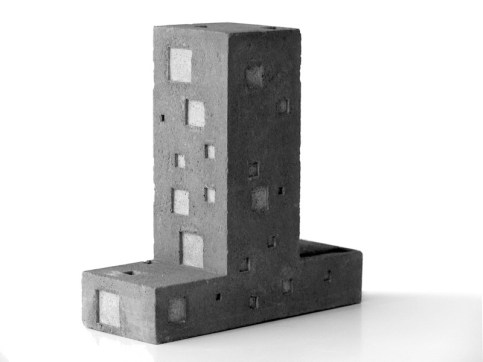
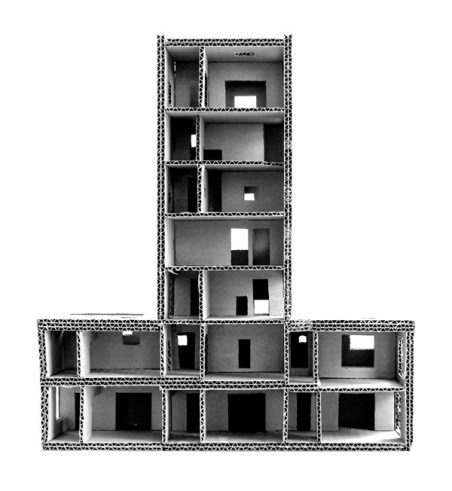
Their spatial investigation reminded me of the formal operations of Sol Lewitt. Both the process looks at systems in which the changing variables creates the the specificity of the form. Lewitt says “ Irrational thoughts should be followed absolutely and logically” I could relate to the investigation carried by Pezo Von to be in this direction with a mathematical precision to these moves. Their process is explicit in this execise they deviced where they have to rearrange a set of wooden blocks in different contexts with a simple set of rules. This spatial exploration is “autonomous by definition, contextual by necessity”, a brilliant reference of their process too.


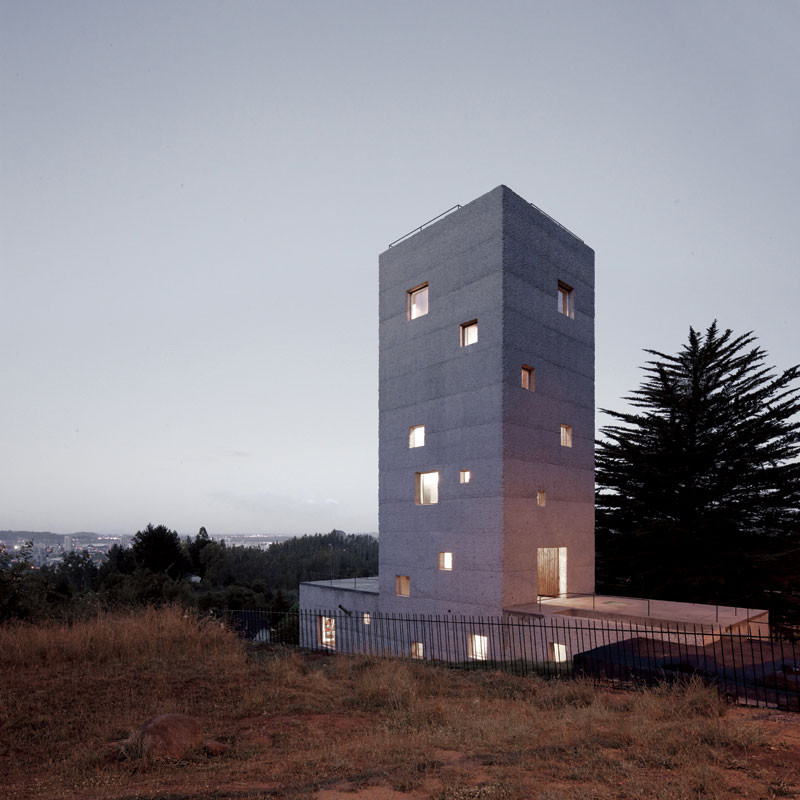
Cien House (2009-2011) is one of my favourite projects. This is the project which introduced me to their work. Internet is such a place, where one can go to the depths of enquiry as much as required. But its difficult to sieve and remember the good ones. Actually this blog entry is an attempt to do that. Trying to hold the reference for a bit longer without swaying into the next rush of images from Archdaily or Instagram


All Cien House images are from Archdaily
The images of exercises with wood are screen shots from the Youtube lecture (Link)
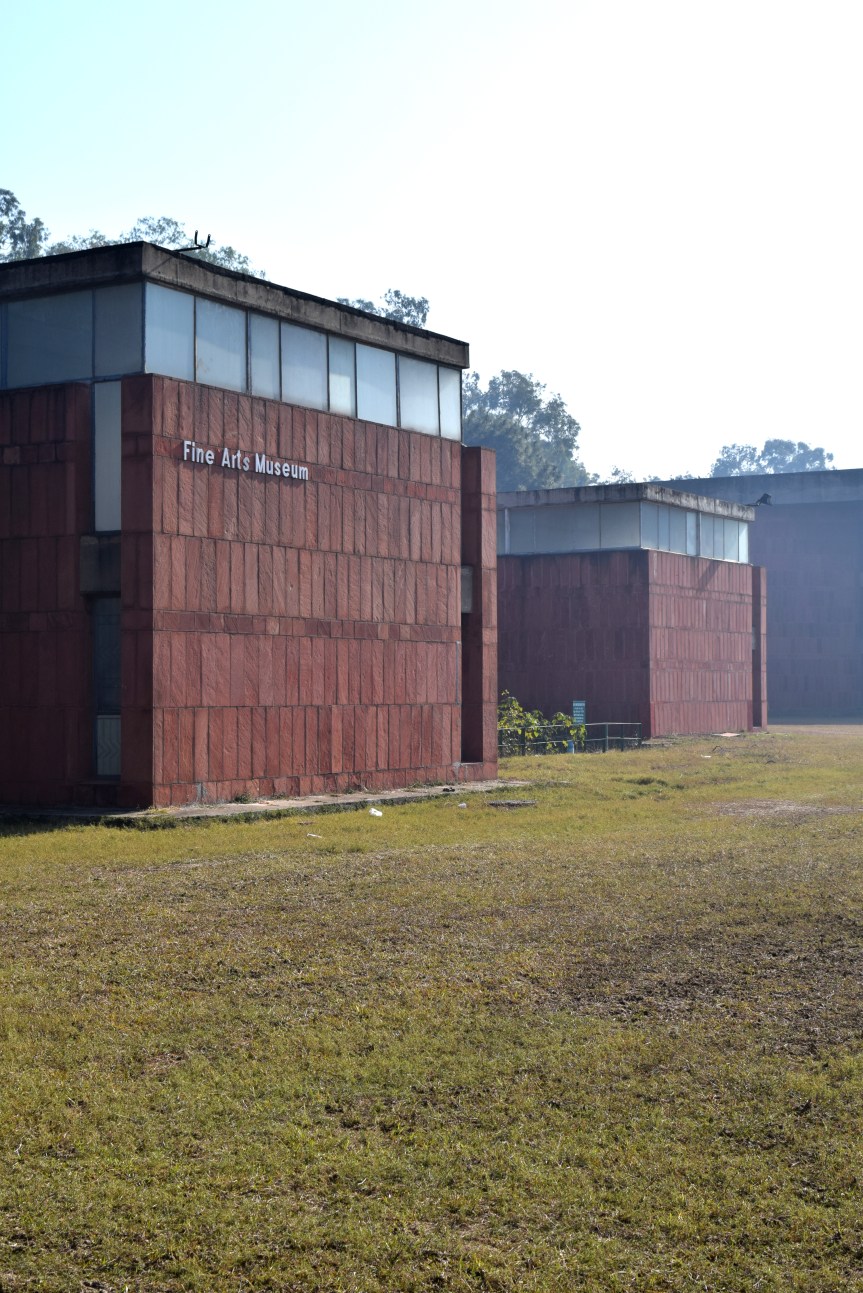
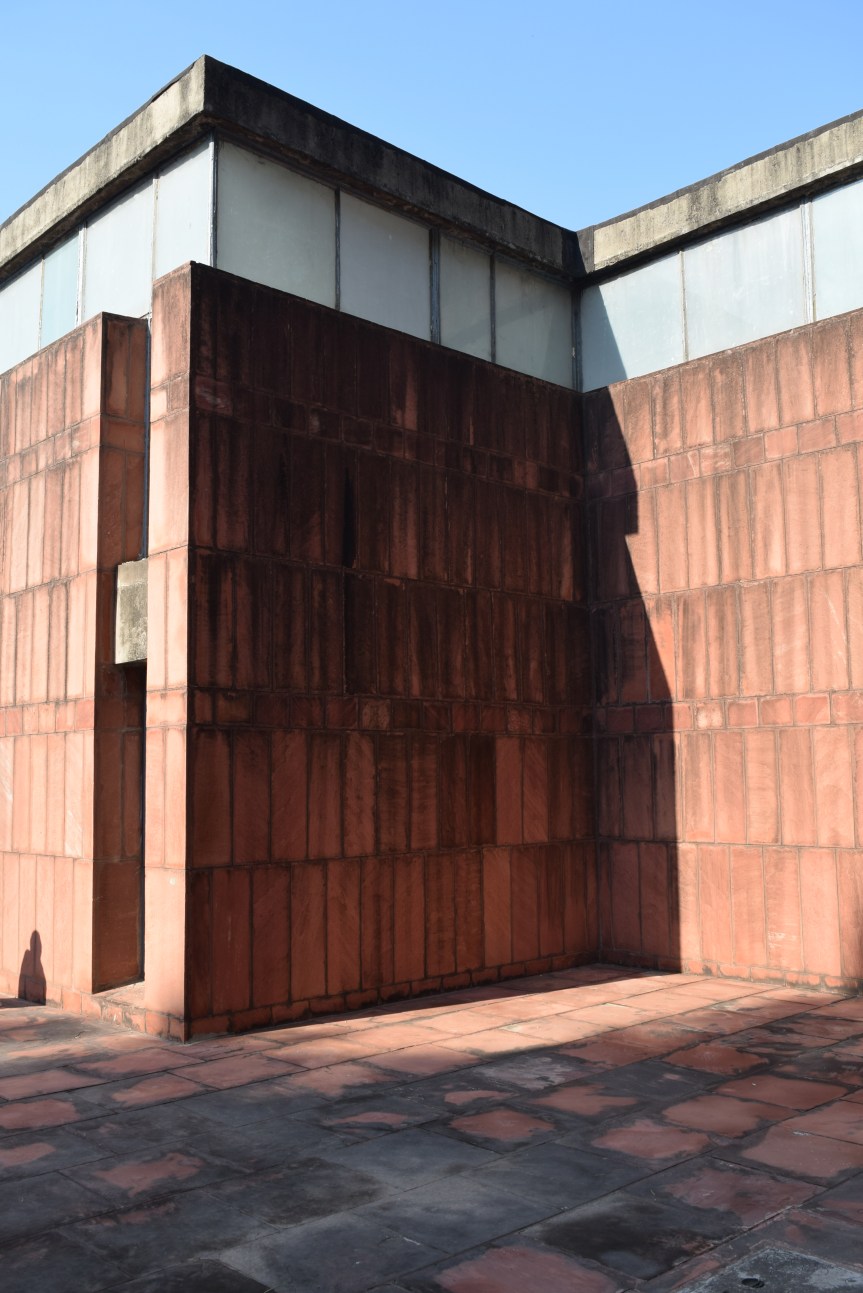
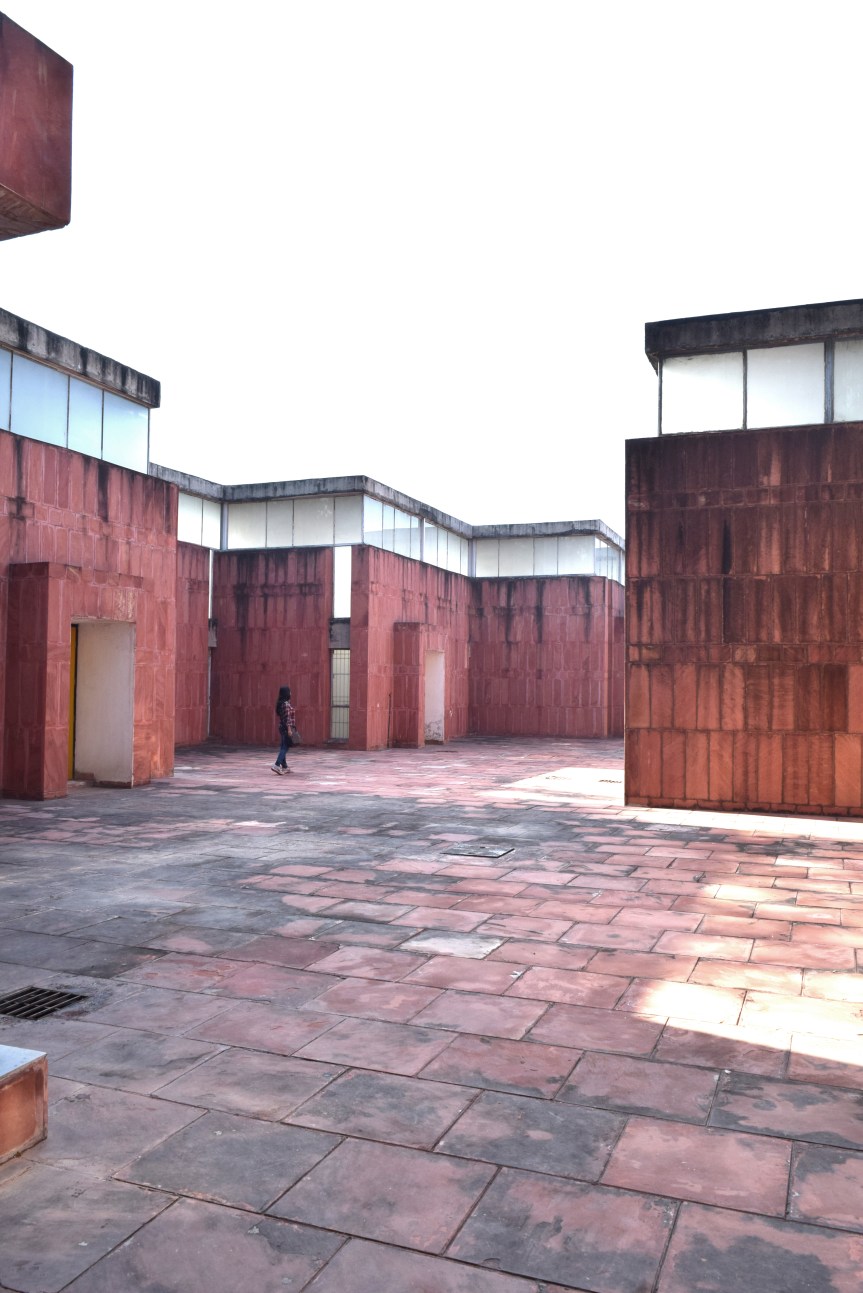
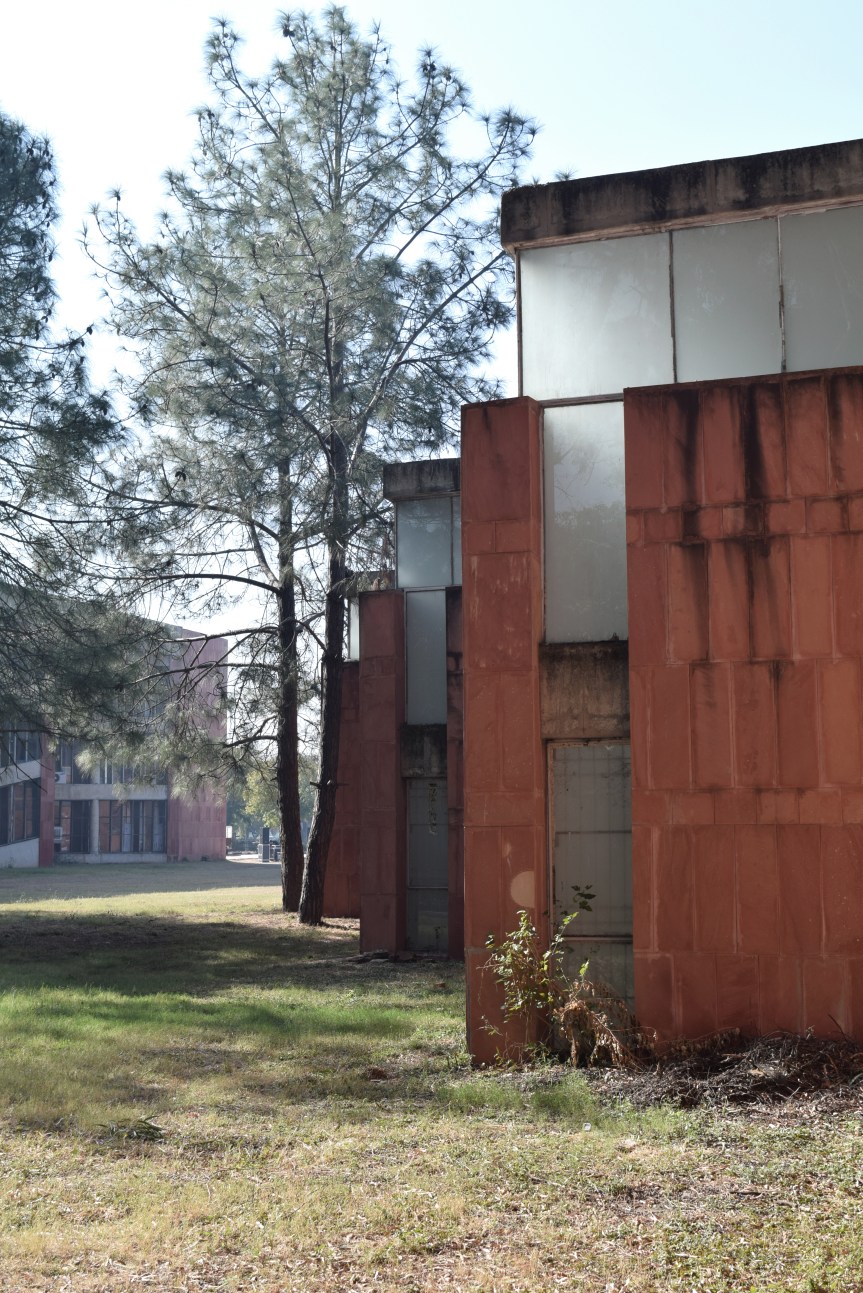
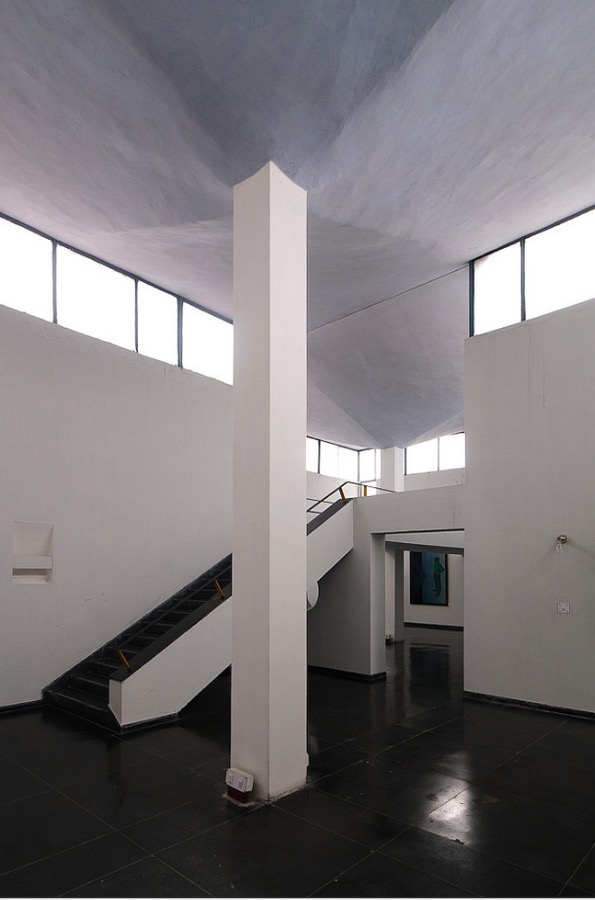
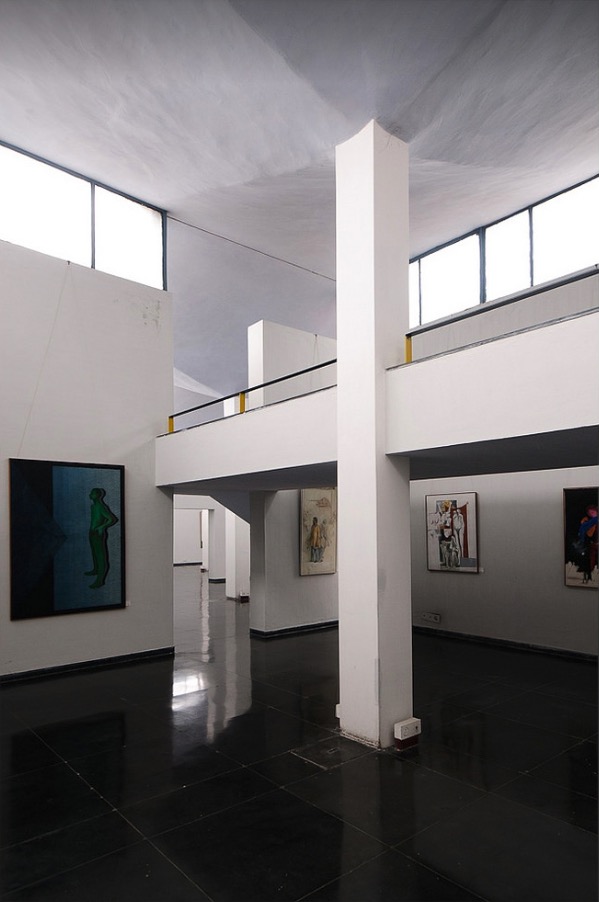
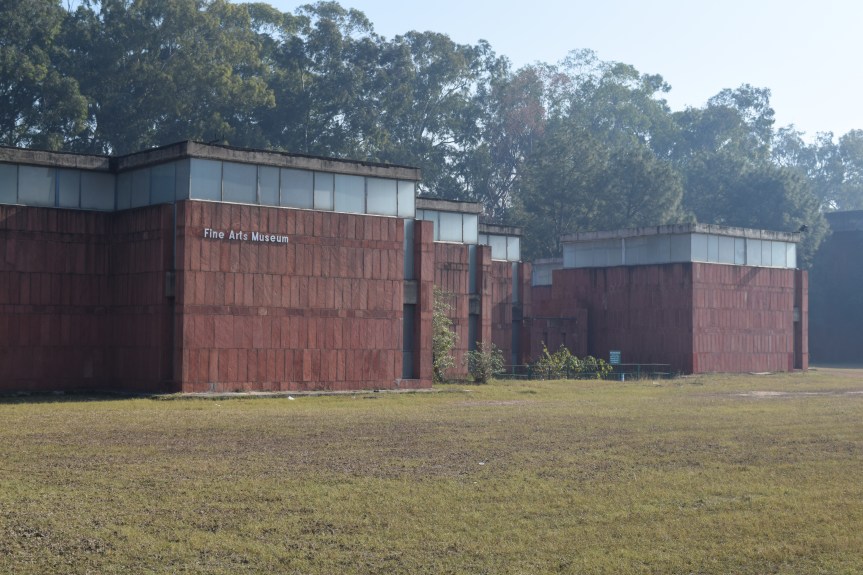
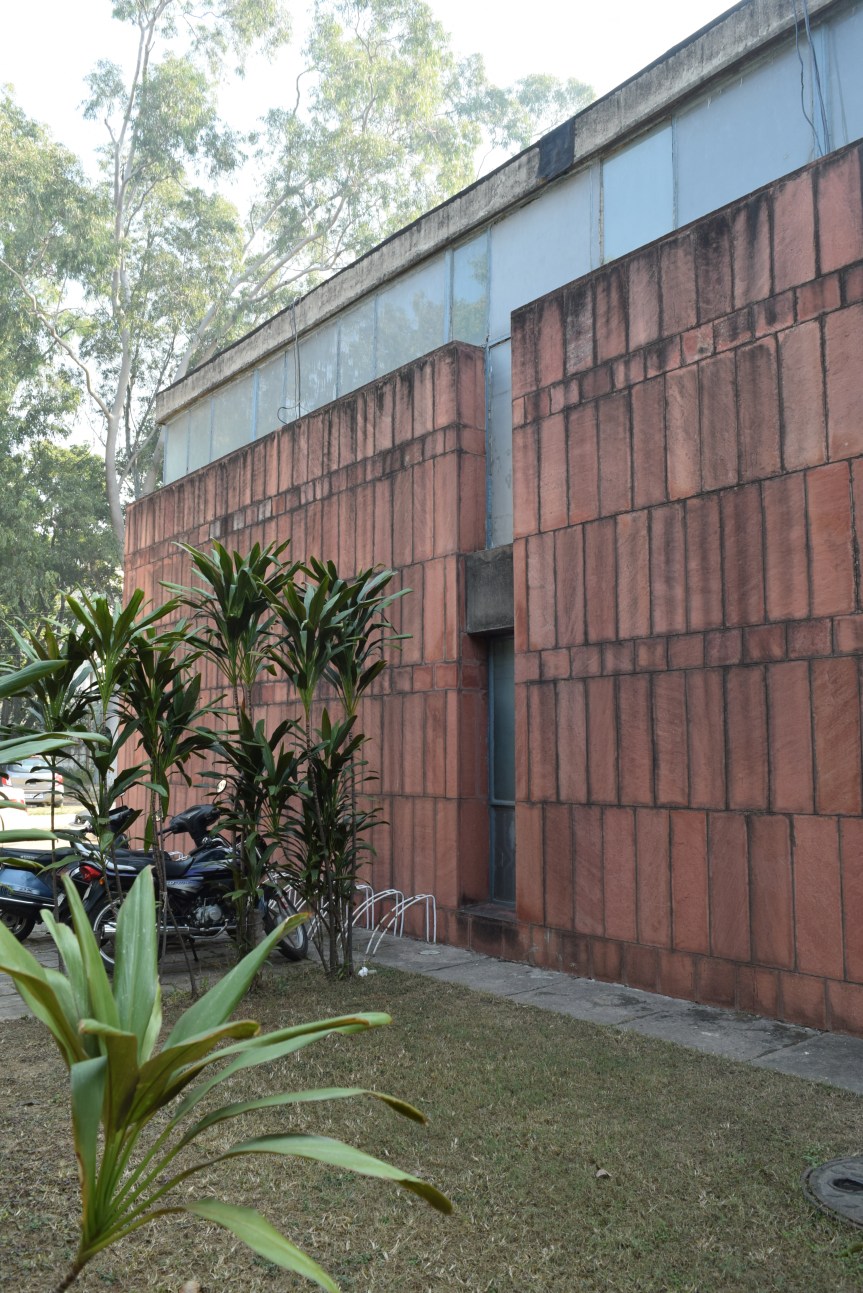
Seeing: Museum of Fine Arts, Chandigarh
Its rare for one to visit architectural projects without expectation. Usually the visits are planned with a particular building in mind. We might be familiar with the building already through the photographs or exhaustively discussing them in classrooms. Personally a few projects have delightfully surpassed the visuals for me, when i actually visited them (like IIM Bangalore, Sabarmati Ashram Museum, Villa Savoy). I am not saying every project should surpass the photos, actually they need not to. Because buildings take more time to reveal themselves (even the more flamboyant ones like Guggenheim museum). Our guided visits are short, rarely doing justice to the actual experience. One cannot go beach in the morning, to appreciate the sunset. One has to dwell in them. Like if you go to the Boa Nova Cafe in Portugal designed by Siza, one could be easily disappointed if one does not dwell. Have coffee. Stare at the sea. Get bored. One has always to wait till its get boring. The spaces start revealing themselves, only enough to be remembered as a backdrop for the act of having coffee looking over a vast expanse of sea. They have a humble existence. Architecture without adjectives.
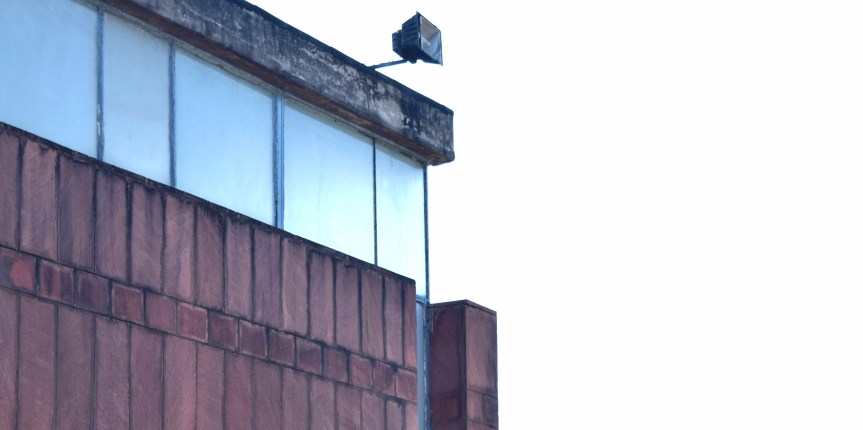
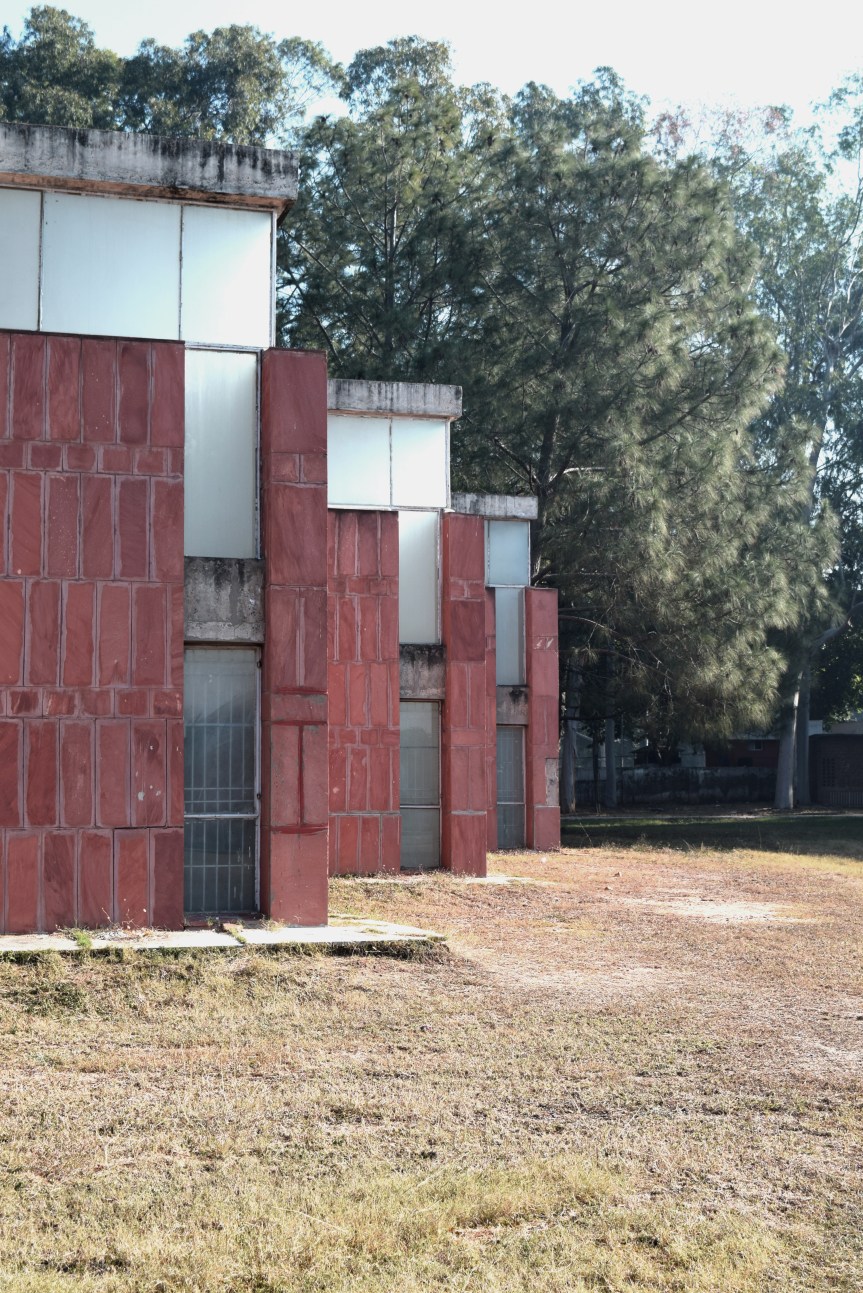
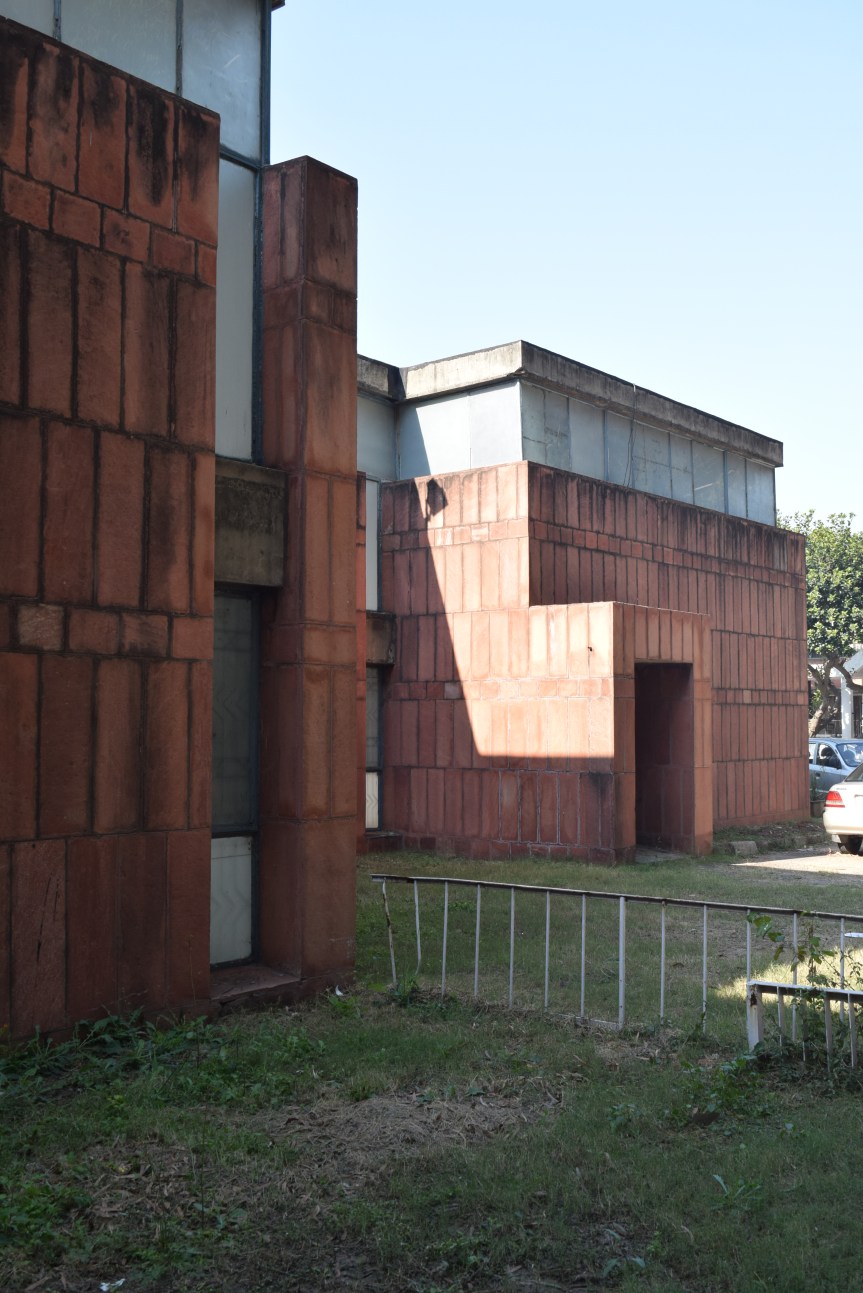
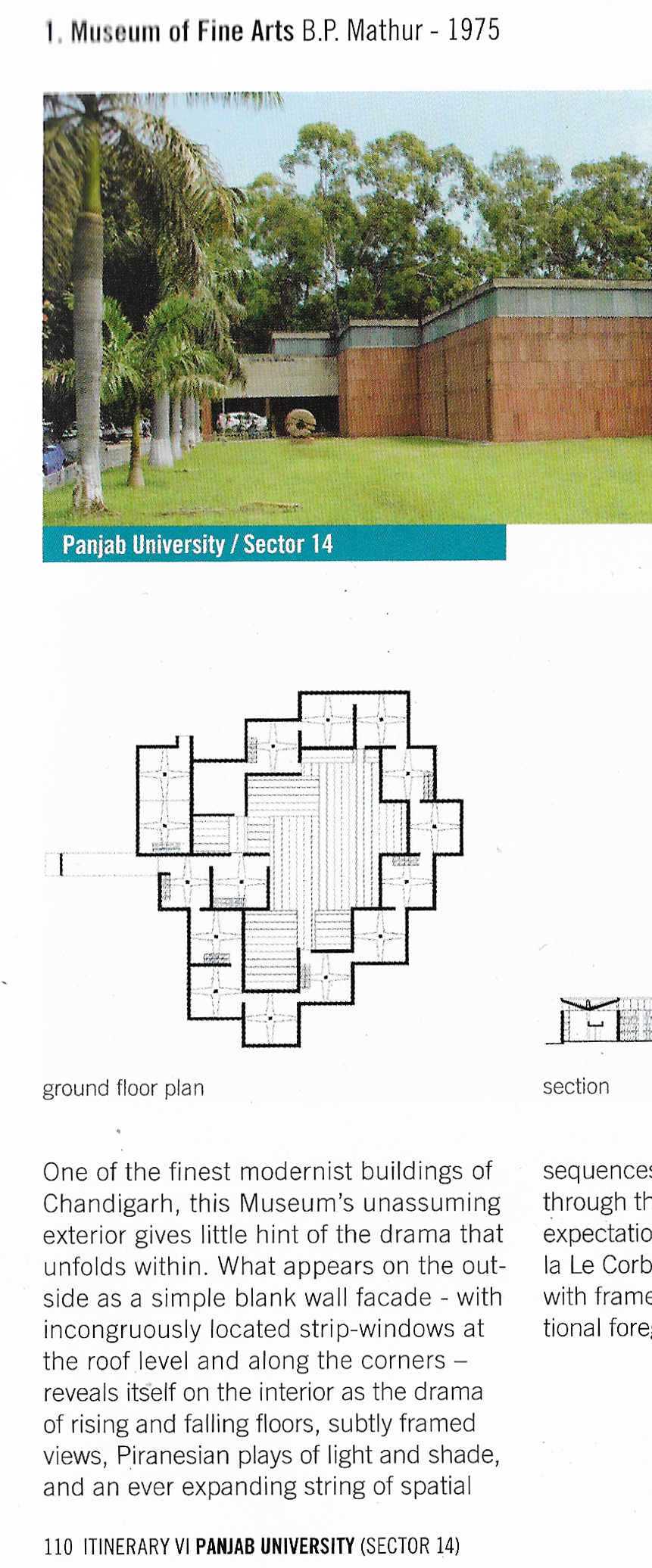
When i went on study trip to Chandigarh few years back with WCFA students, i had one such experience. I was stunned here to have not heard (because of gaps of documentation in history of early modern Indian architecture) of the building at all before. It is the Museum of Fine Arts (1975) designed by B.P.Mathur inside the university campus. The scale was brilliant. A simple module was repeated with grace, to create controlled internal gallery experience.


Note the interior images are not from the author of the blog. Plan is from the resourceful Chandigarh Guide by Vikramditya Prakash
Reading : Travel through South Indian Kitchens

Drawings can be neutral or can be supported by a narrative or can be the narrative itself. I came across book this wonderful book from Tara Books (look at this publisher for more amazing books). This book falls under the third format. The books falls under all the three categories : travel, cooking and architecture.
The author of the book Nao Satio travels around the south Indian kitchens and captures its atmosphere in these pages. She is an architect, so the emphasis on the drawing. But she transforms the usual approach. She mixes text, drawing, photos. The text is of her experience in the kitchen and being in the house with the person cooking. It has also the recipe of the dish which was made during her visit. The photos are sort of a collage of the event of cooking. Then these beautiful drawings capture the mood of the place. Like the plan below captures idiosyncracies : smells,monkey,drying,etc. The drawings more than as a means to represent space transforms as a lens to observe place and its making. The author notes that in India the activities of the kitchen is not contained only within the kitchen but spills over to the other part of the house too. Like cutting vegetable in the living room, drying grains in the balcony, fridge kept in the corridor. So the attempt is to capture this shifting boundary of the kitchen. In her own words ” the description explores the way in which a particular space influences what we do – at the same time, it created by how people use it.. I’ve tried to capture the air i breathed during that time, but through a particular lens : the kitchen” . This way of approaching through a focussed ‘lens’ is also what attracted me towards this book. This format allows to make an oblique enquiry to the study from a simple starting point. It can be repeated, and the results will be different and varying. I could just the use same ‘lens’ if i visit Japan. It will bring a focussed perspective to look at any culture.
I am amazed on how architecture is treated as the background of life (an urgent and much needed reminder). The book uses the drawings as an integral part of the narrative. Almost tactile like the cover has the feel and texture of a banana leaf!


Shades of Ideas : Ramps
In design studios, we generally use the words like notions, ideas and concepts bluntly. Without much caution, we interchange them comfortably. I came across this compelling text on a similar note in the book ’The Art of Looking Sideways’ By Alan Fletcher (p 72)
.“The difference is one of weight, A notion is a small idea, a brain wave, a cute whim, a cockamine thought – something of small consequence and little stamina. It generally confirms to the well known rule that the length of the description is inversely proportion to the amount of illumination.
Real ideas on the other hand are of a different order. They have dimension and are resilient and flexible. Like a genuine panama hat which can be rolled up and passed through a wedding ring.
Ideas with big ideas are concepts. A concept amplifies an idea into a scenario in which all the unrelated bits and pieces dovetail neatly into place. There is an inevitability about what a concept embraces, it has a singular solid spherical shape, it is impossible to knock over.
Concepts tie thoughts together, form bridges between one intelligence and the other, provide a common point of reference. With a concept, explains the Chinese rule of painting, the brush can spare itself the work.”
.So all the three terms exercise in the same zone but with different degrees of spatial operation. I thought of taking forward this idea and testing this premise within Corbusiers projects. I took the condition of the ramp.
.01 – Ramp as a ‘notion’ : In the Mill owners the ramp is just a ramp. It provides an alternate entry to the first floor, which is the primary zone of activity. The ramps also accentuates the publicness of the building by piercing into the first floor from ground level. Without the ramp, the internal order of the plan would not be effected. Only the monumental scale of the entry is diluted. A ‘notion’ is a ‘small idea’ of circulation here..
.
02 – Ramp as an ‘idea’ : The ramp in Villa Savoy is also a secondary device, but holds the plan in place. The movement along the ramp is integral to the experience of the building. It acts as a central loop along which the whole house could be experienced. There is a centrifugal effect if you move along the ramp. It is orchestrating a series of experiences : closed- semi open- open. This catches the spirit of the ‘architecture promenade’ a theme which is recurring in Corbusiers projects. An ‘idea’ with dimension and strength.

03 – Ramp as a ‘concept’ : The ramp in Carpetners Center would be a good example here. It brings order at many levels to the space : the site, orientation, section and program distribution. If you remove the ramp, the building will fail, architecturally . That’s the strength of a concept. The removal of the concept must alter the architecture to its core. ‘Concepts’ is what converts ‘buildings’ into architecture.

If we are employing ‘ramp’ in our own design as a ‘notion’ thinking it is a ‘concept’, we are underplaying the potential of ‘idea‘. This delineation of these meanings is not to make academic categories and strife design operations but to identify potentials between the threshold of meanings.

You must be logged in to post a comment.