List 01 : Steven Holl

All words are pegs to hang ideas on.” Henry Ward Beecher

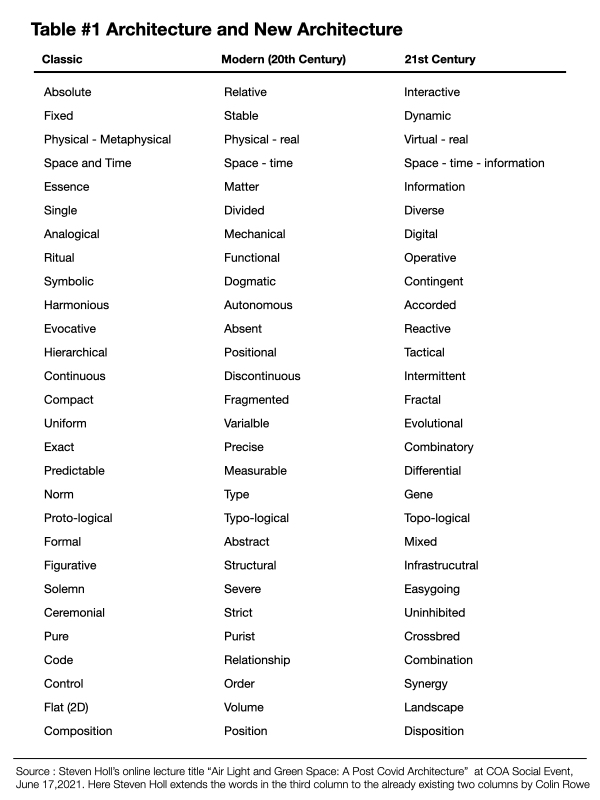
I love lists (tables included). They are sharp, focussed, definite yet open ended and elemental. In an online lecture Steven Holl gave recently, he presented this list below (reproduced for clarity here). It covers a wide range of thoughts. He builds upon first two columns from a pre existing Colin Rowe’s list (not to able to place the original source). I was delighted to read the subtle differences between the terms Exact-Precise, Predictable-Mesaurable-Differential, Ritual-Functional-Operative.
Sequential Diagramming

Sequential diagramming (not sure where I came across this term or if I cooked it up) is a way of showing process with continuity. It makes the rigour visible and the journey of the thought with all its deviations and convergences. Here are some of the origins of the idea and its possibilities.

In days of still camera, Eadweard Muybridge’s photographic series ‘Horses in Motion’ (1870’s) is believed to have helped the invention of the movies or the moving images. Muybridge’s work was commissioned by Leland Stanford. This experiment was to find evidence for a huge bet to prove that when a horse gallops, does any of the feet touch the ground. Muybridge set a series of cameras in a sequence triggered at planned intervals. He was able to prove that all the legs of the horse are in air at a particular movement. A wonderful example on the important of capturing the ‘sequence’

.

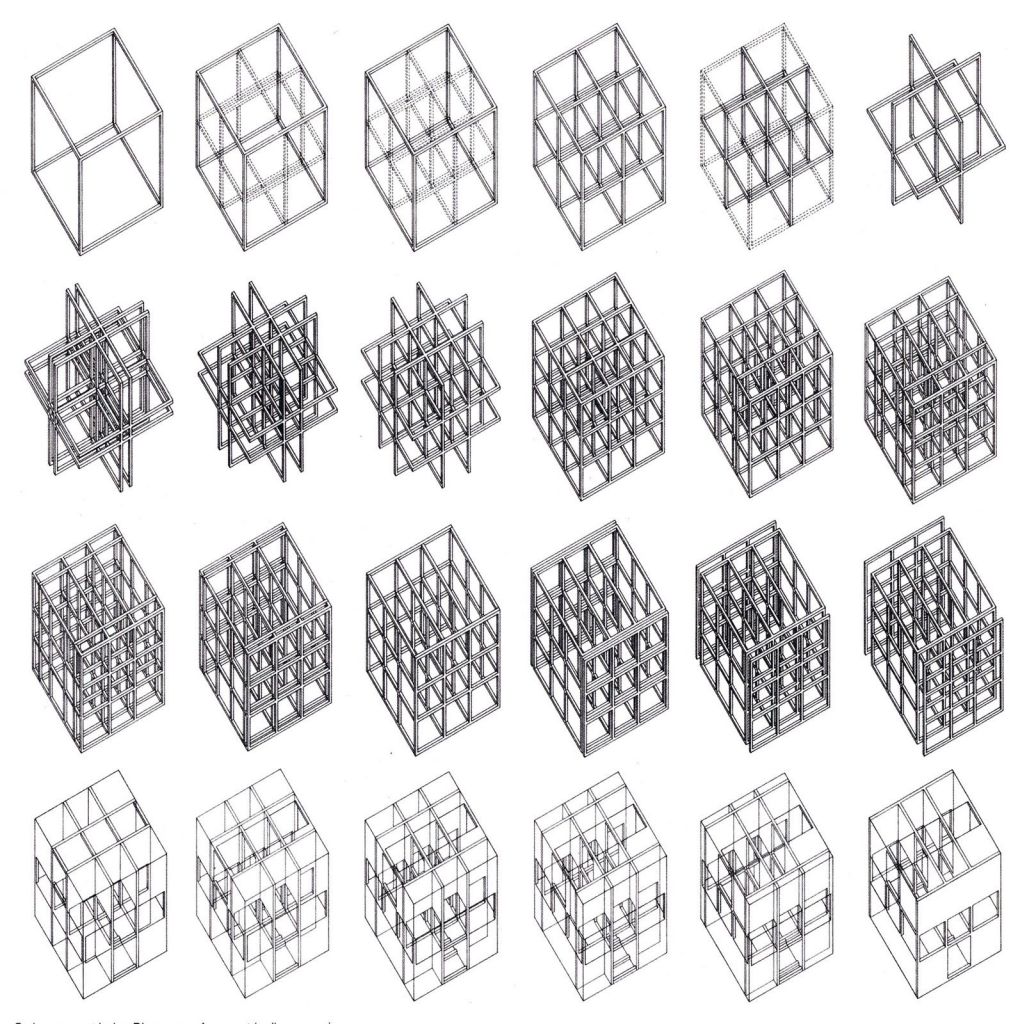
Eisenman always used this method of tracing the process from the starting point – the cube in this case. For him this ‘sequence’ was inevitable. Pronouncing these spatial operations became the evidence of his thinking process.

.

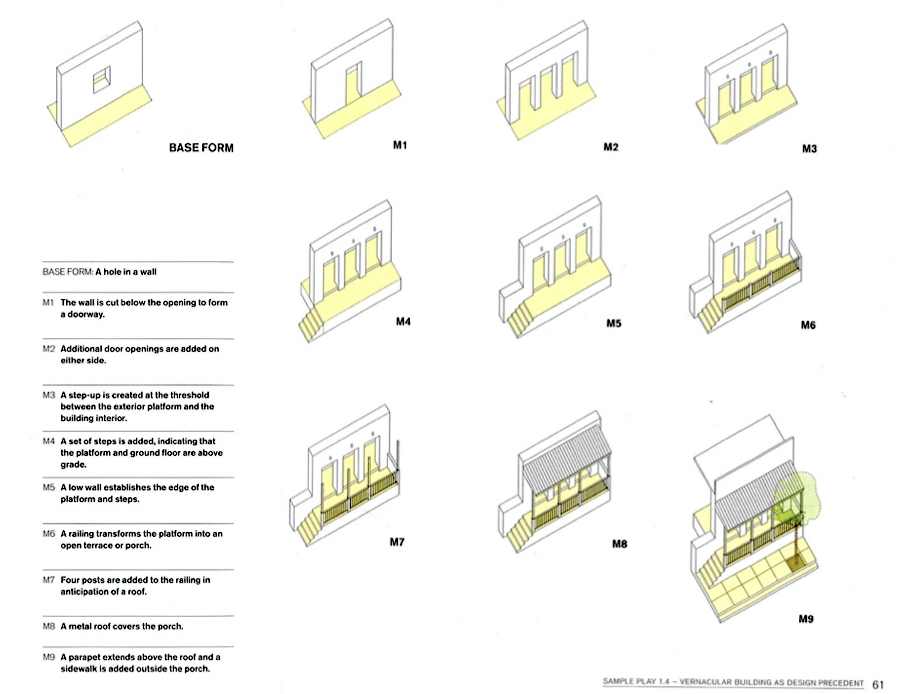
This is a drawing from John Habraken’s must read book for academics : ‘ Conversations with Form’ where the process of design is recorded in a this analytical method. This is the original trigger for this piece.

.

Vaishnavi’s (WCFA, Batch 2018, Sem 5) diagrams here happened almost at end of the semester for a public building design. Here rather than diagrams generating ideas, it helped her consolidate and give a comprehensive weave to all the fragmented enquires from the earlier process.

.

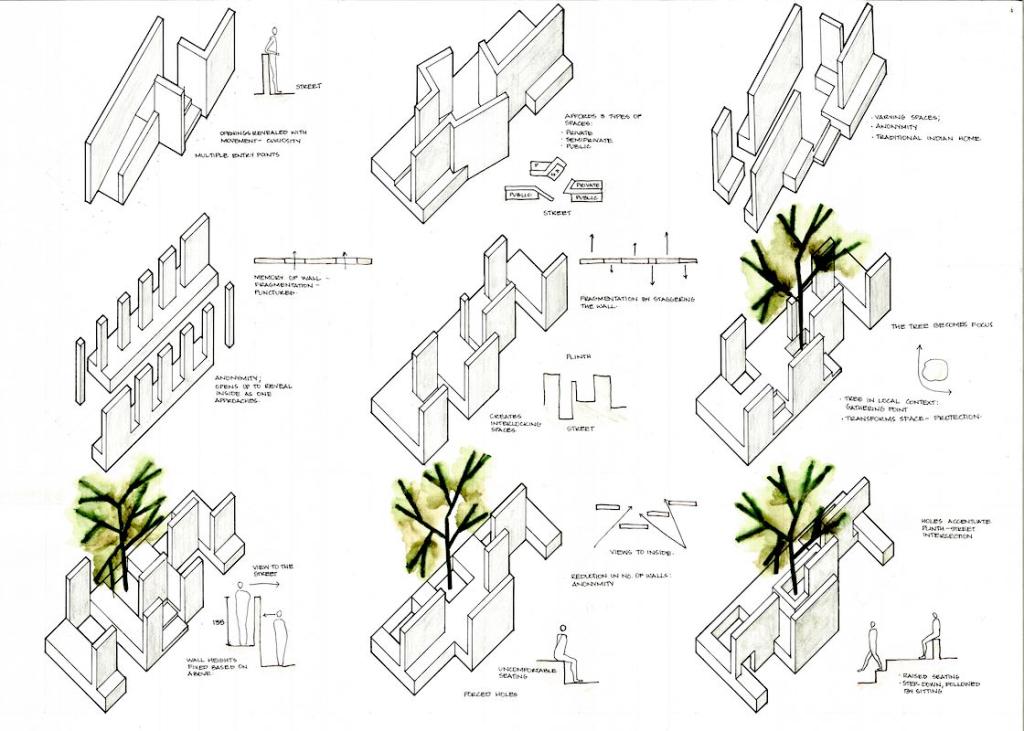
Atul’s (WCFA, Batch 2018, Sem 2) here crisply captures the different options on how a wall negotiates the threshold of moving from a street to a residential neighbourhood. This design exercise was an extension from Habraken’s methodology

.

Nagashree’s (WCFA, Batch 2018, Sem 2) design is a different outcome of the same brief as above.

.

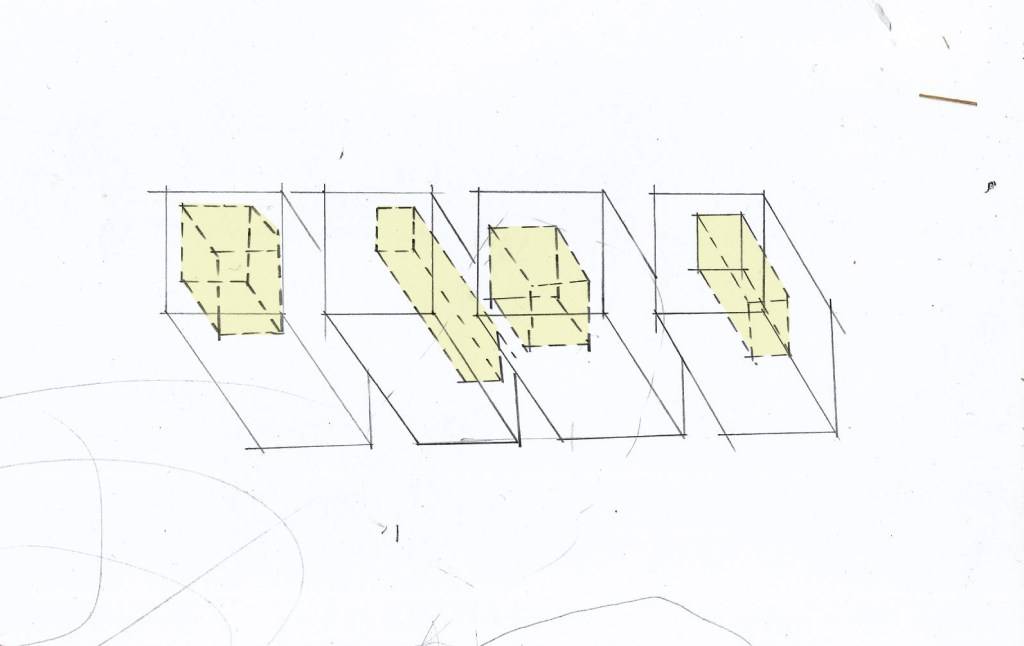
Tony’s (WCFA, Batch 2017, Sem 5) explores here the possibility of ‘three dimensional verandah’ and conditions of movement in a public building.

Listening to Eno

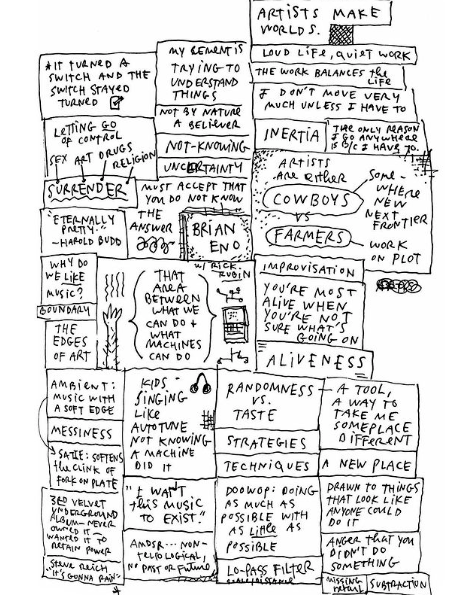
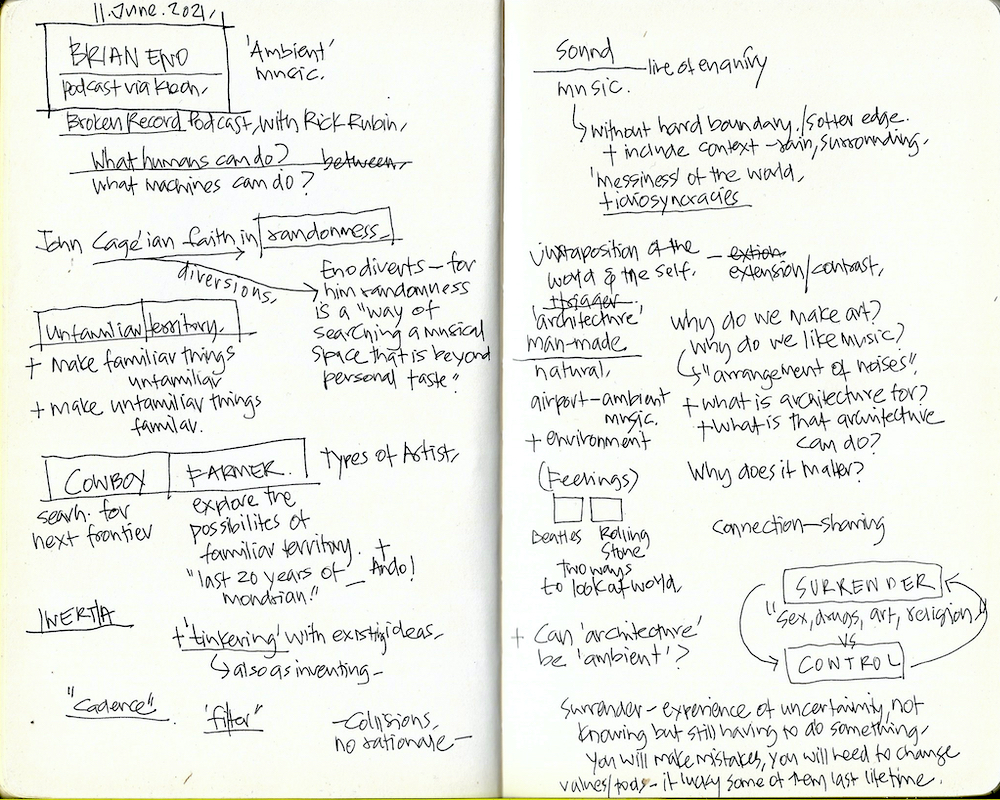
Austin Kleon (a big fan of his blog and books on creativity) posted these notes from listening to Brian Eno speaking at this Broken Records podcast. I have also been recently reading on Eno. So I made my own notes below just to extend Kleon’s notes. It was interesting for me how I added my own words ( marked with a ‘+’ symbol) triggered from hearing / mis-hearing / swaying / misunderstanding from what Eno was saying. Note-taking is such a simple wonderful tool to record and play with thoughts.
Austin Kleon, Instagram

Notes from my sketchbook

Surface Development

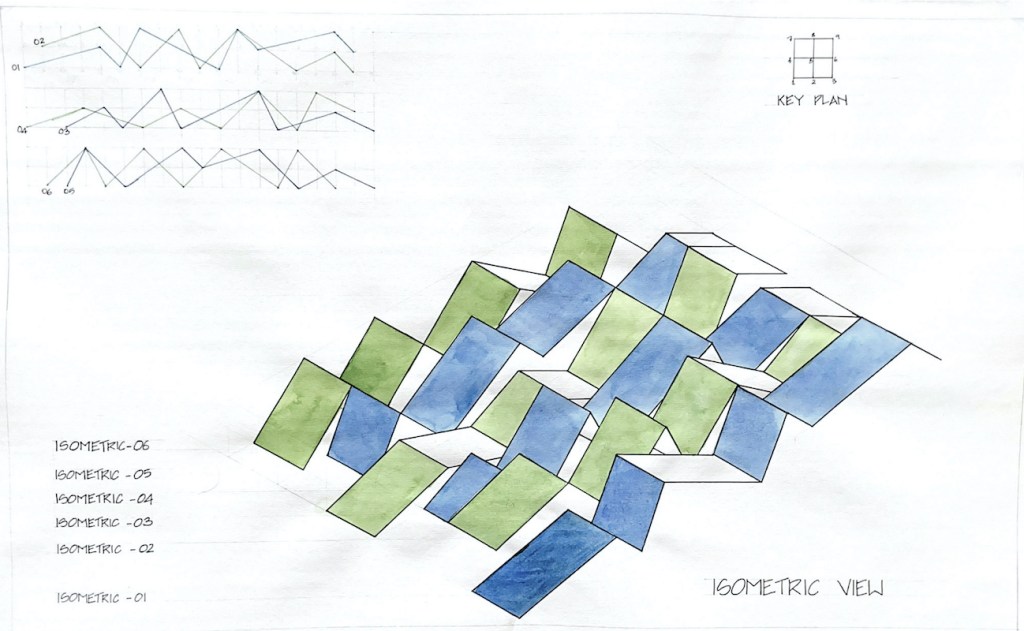
First year exploration in drawing. Development of complex surface from simple 2D patterns. This diagram below is the starting point, followed by different outcomes
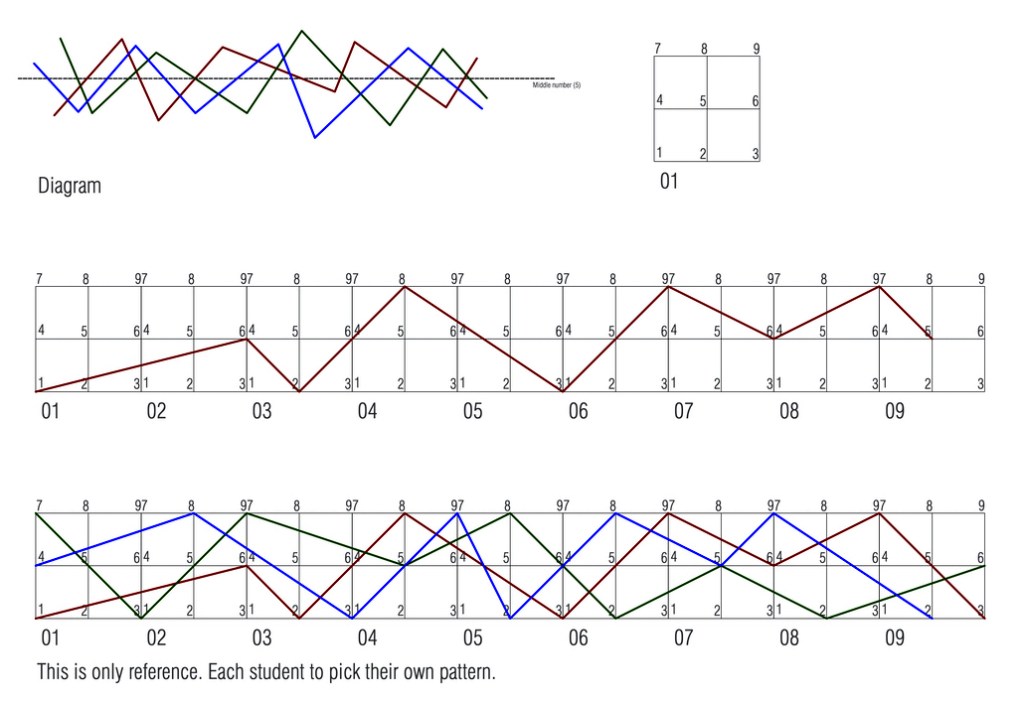
Credits : Ruchi S Bharadwaj, WCFA, Batch 2020
Credits : A Deepak, WCFA, Batch 2020
Credits : Shivani S Bagewadi, WCFA, Batch 2020