
I teach Architectural Theory to both first and second-year undergraduate students at the college. When delving into this particular subject, I am acutely aware that I belong to a small tribe of history and theory educators in the country. I find it crucial to articulate to my students the significance of this subject. Regardless of the topic, I always carve out a space to underscore why a subject holds importance, as it substantially enhances the learning experience. In the case of theory, this practice propels discussions to a higher intellectual plane.
Reflecting on my postgraduate course at CEPT, which was centered around theory, I can’t distinctly recall if we explicitly delved into the definition and essence of theory. However, through years of imparting this subject, I have developed a repertoire of tropes that I employ in class, elucidating the reasons for studying theory. One of the most compelling perspectives, in my opinion, is “theory as an organising tool.” This realization has been a guiding principle, shaping the way I approach and teach architectural theory. This principle not only guides in teaching, but also in dealing with the infomation overload and find a way to navigate in between them.
I completely resonated and borrowed this phrase from an Malcolm Gladwell’s interview:
Interviewer: “That’s why reviewers say you bring “intellectual sparkle to everyday subjects”. Is this a deliberate approach?
Yeah, it’s deliberate. I’ve often observed that people are experience-rich and theory-poor. All of us have an enormous wealth of stories and experiences. But what we lack is the means to make sense of all that, to organise it, to understand it and to comprehend it. My books are addressing that. I’m not telling you facts you didn’t know before. You’ve all been in situations I’m describing. What I’m doing is saying, here’s a way of organising your thoughts.” (bold emphasis mine)
In this post, I will share some examples which indicate the possibilities of this trope “theory as an organising tool”
01.
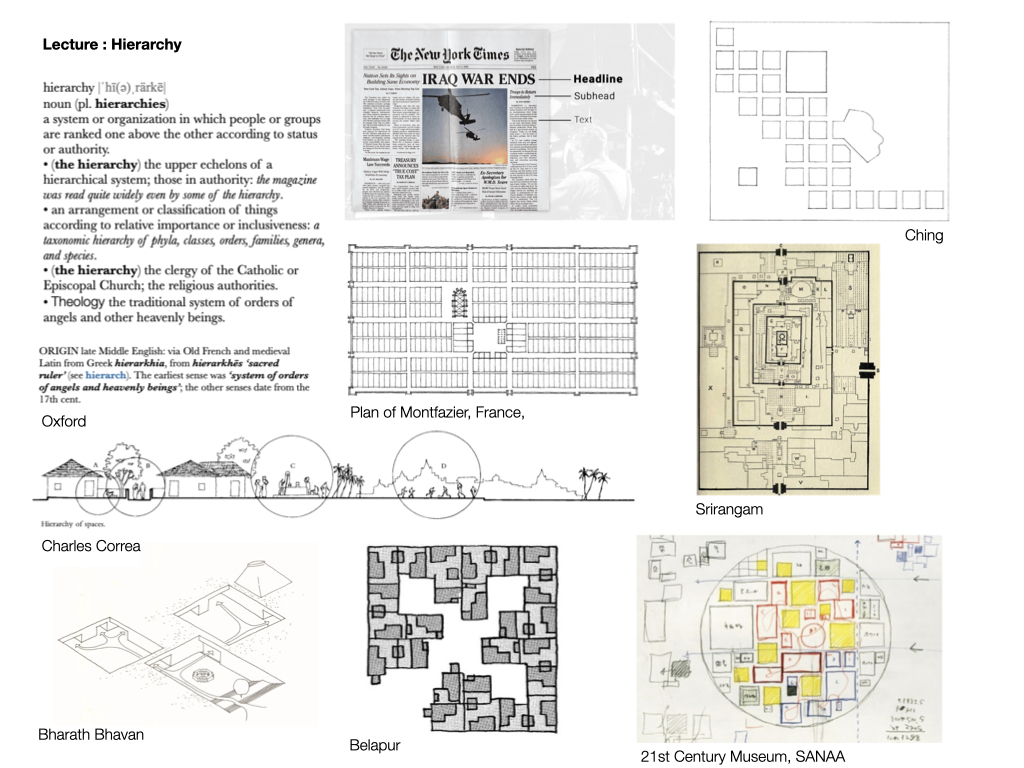
Lectures serve as vessels for ideas. For instance, in preparing a lecture on hierarchy, I have the opportunity to seamlessly organise diverse examples—from dictionaries, graphics design principles to instances in Indian history, contemporary scenarios in Japan, and insights from figures like Charles Correa—all under the same conceptual umbrella. This unique condition allows me to curate examples and weave a steady narrative to explain and unpack the meaning of the term ‘hierarchy’. In contrast to history lectures, which are constrained by specific styles, periods, or movements, theory lectures open up a broad spectrum of possibilities and interpretations.
02.
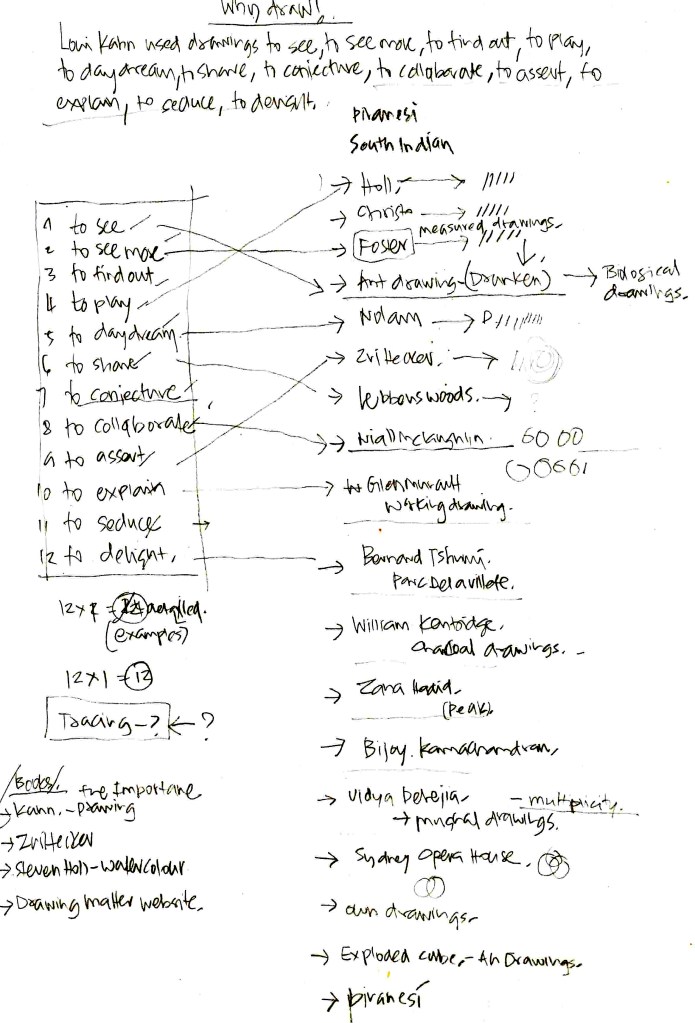
The research was conducted for a lecture titled ‘Why Draw’ presented to first-year students. The lecture was inspired by a quote from Michael Merill’s book ‘The Importance of Drawing’, which served as the framework. I used this quote and my knowledge of various examples to craft an engaging narrative. Instead of starting from scratch, I utilized my existing drawing references and matched them with keywords from the quote. My primary focus was to recognise that this quote could form the backbone of the lecture, saving valuable time.
03.
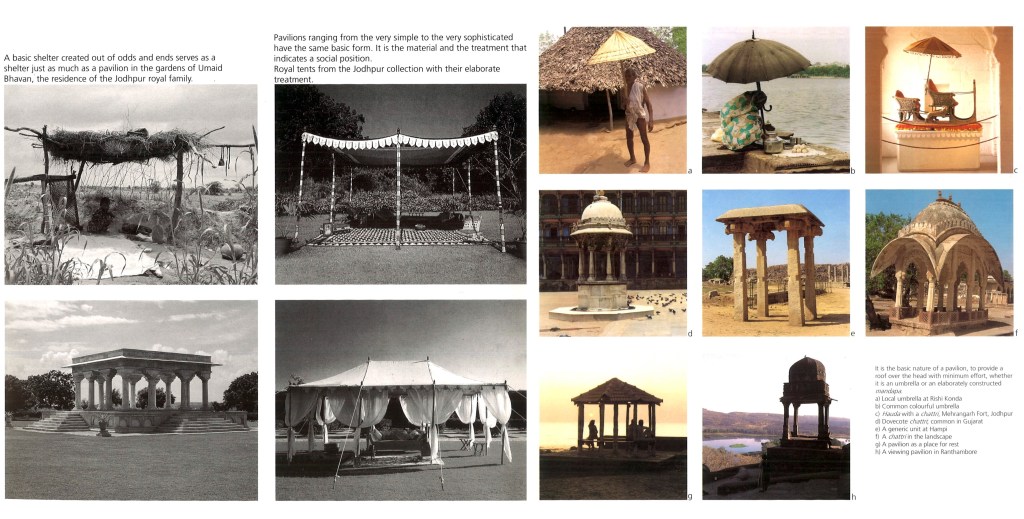
This excerpt from ‘Thematic Spaces in Indian Architecture’ is crucial to me. Prof. Jain delves into the concept of a pavilion, navigating between its “nothingness” and “universal” significance. Although I was privileged to study under Prof. Jain, I only realized the full potential of this perspective later on. This way of looking at things had already seeped into my subconscious during my student days.
04.
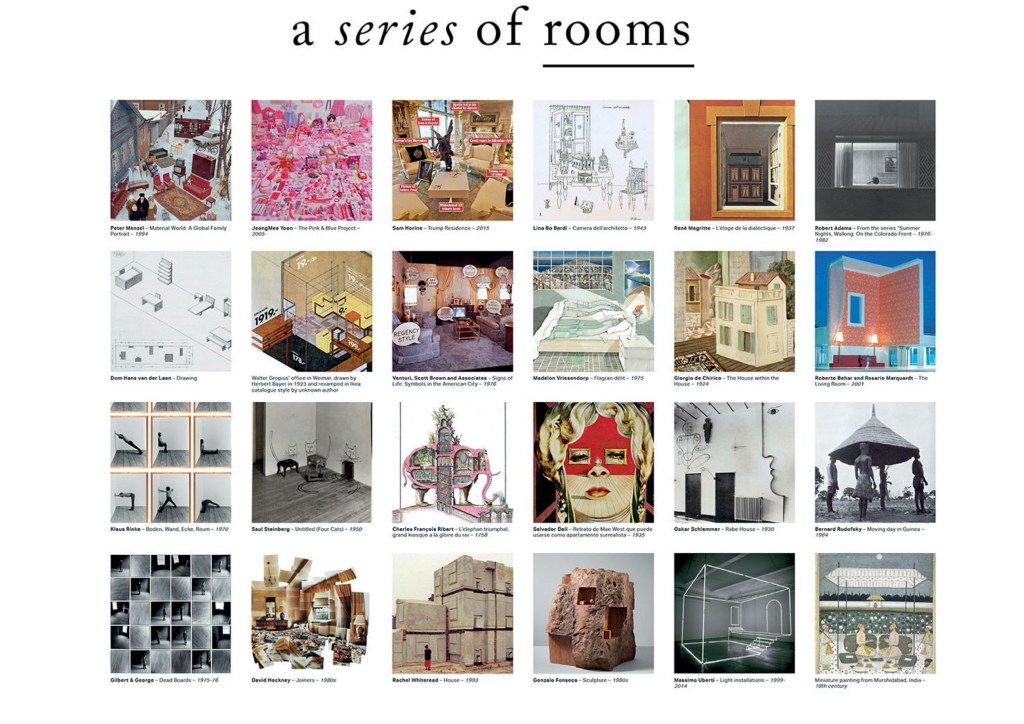
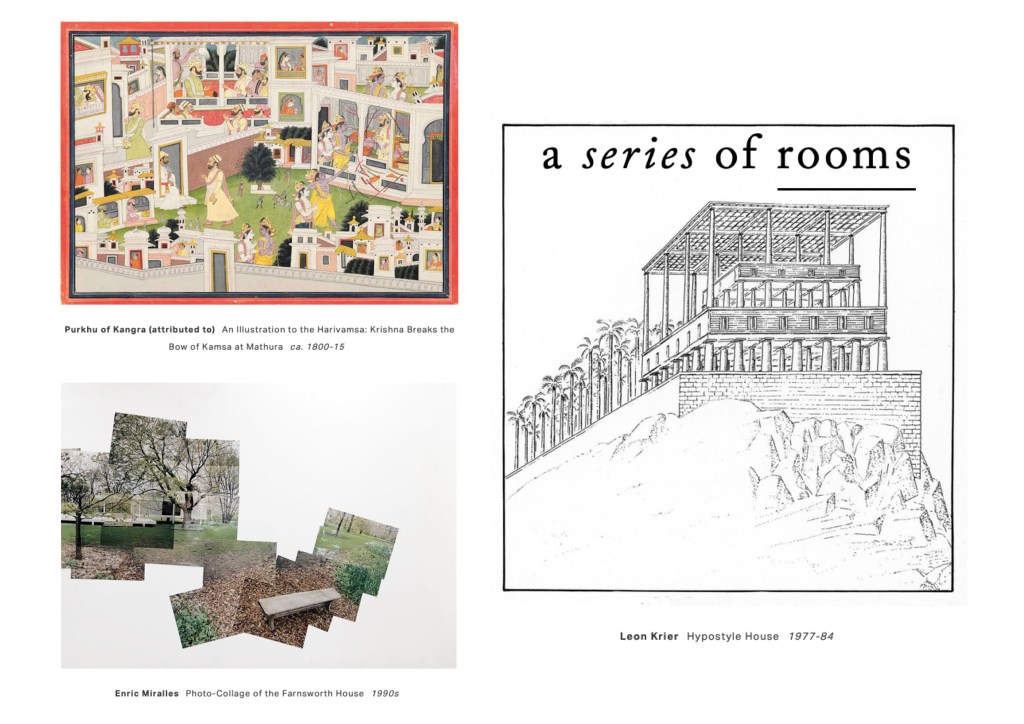
This collection ‘A Series of Rooms‘ is one of my favorite online collections. It is “a collection of domestic space – an exploration into the imagery of the housing archetype – as portrayed in art, media, and human studies.” Their Insta page surprises me with the type of instances they gather from various mediums. The curators (Bonell+Dòriga) mention that “In the oversaturated age of digital reproducibility, building one’s own archive – searching, selecting, organizing – becomes, beyond being an instrument in the design process, a creative act in itself.” I am in complete agreement with this idea. Otherwise, how can we speak on the same page about diverse examples like Enric Miralles’ collage of Farnsworth House, Krier’s experimentations, and Mughal miniature paintings.
05.
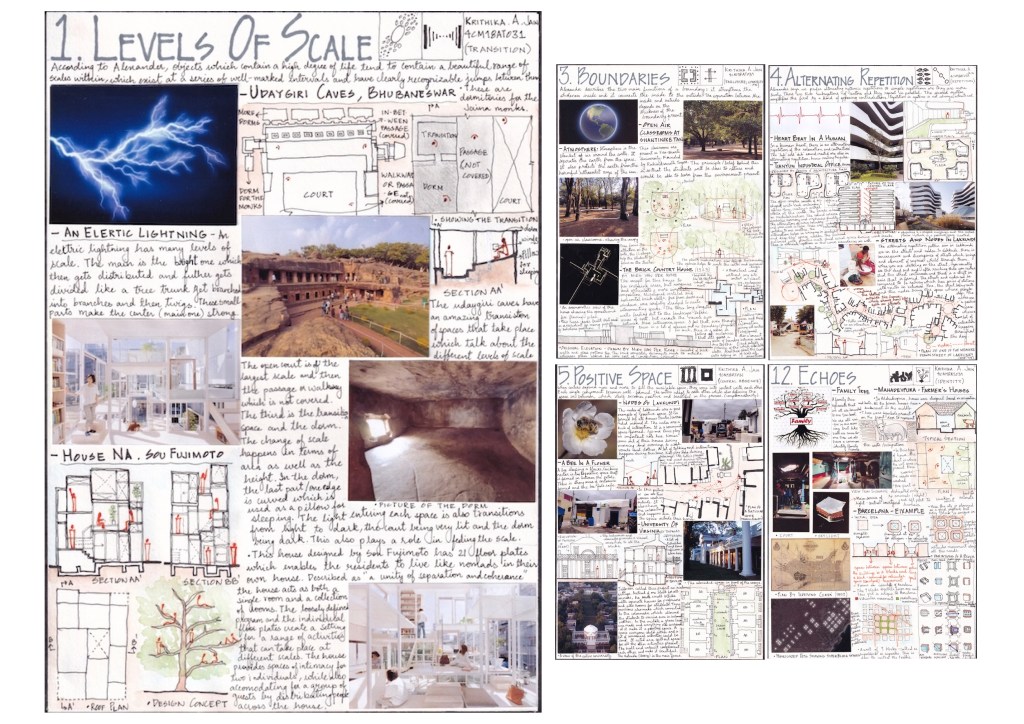
In this case, this is a student assignment. Here the exercise is to reinterpret Christopher Alexander’s fundamental principles and collect various examples – one from personal experience, one from examples studied, and other scientific phenomena. Krithika (WCFA Batch 2018) organized her experiences under this term and gave a discernible shape to her ideas.
06.
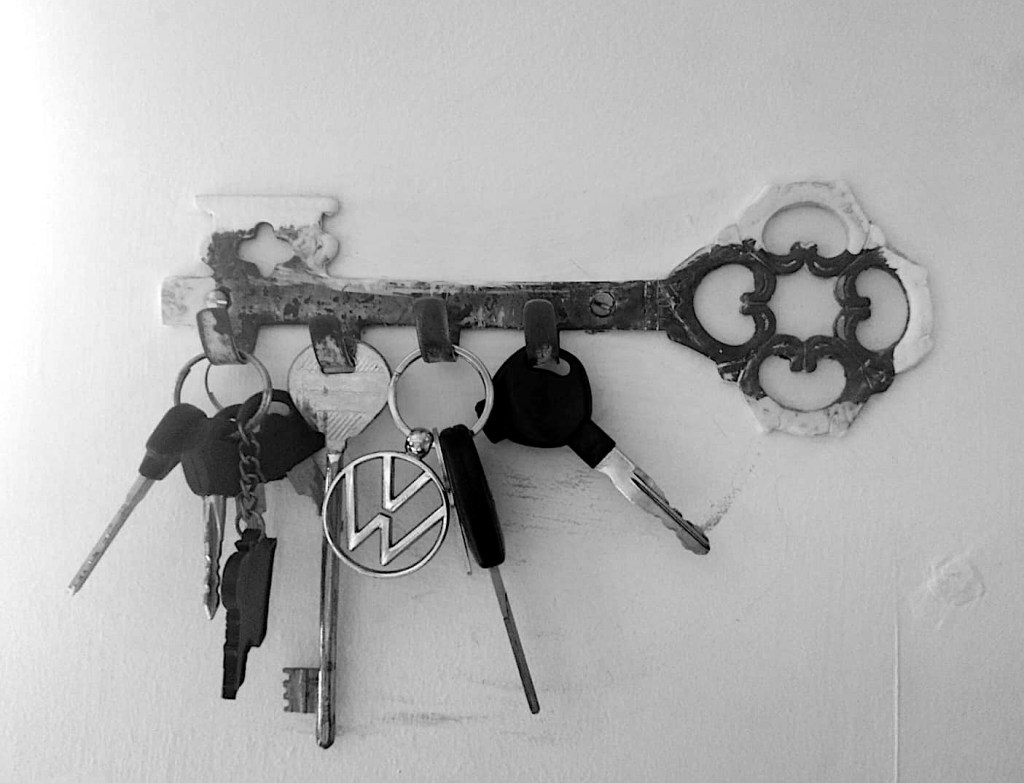
I want to share a personal experience. I used to constantly misplace my keys at home, causing me to waste time searching for them. When I moved to a new house, I found a key hanger in the shape of a key! This simple solution made it easy for me to develop a habit of always placing my keys there. Additionally, I made it a nightly routine to ensure all the keys were in their proper place. Since then, I rarely lose any keys and avoid frantic last-minute searches before leaving the house. The analogy I’m suggesting is similar: when you get an idea or find a reference, “hang” it in the right place so you can easily find it when needed.
07.
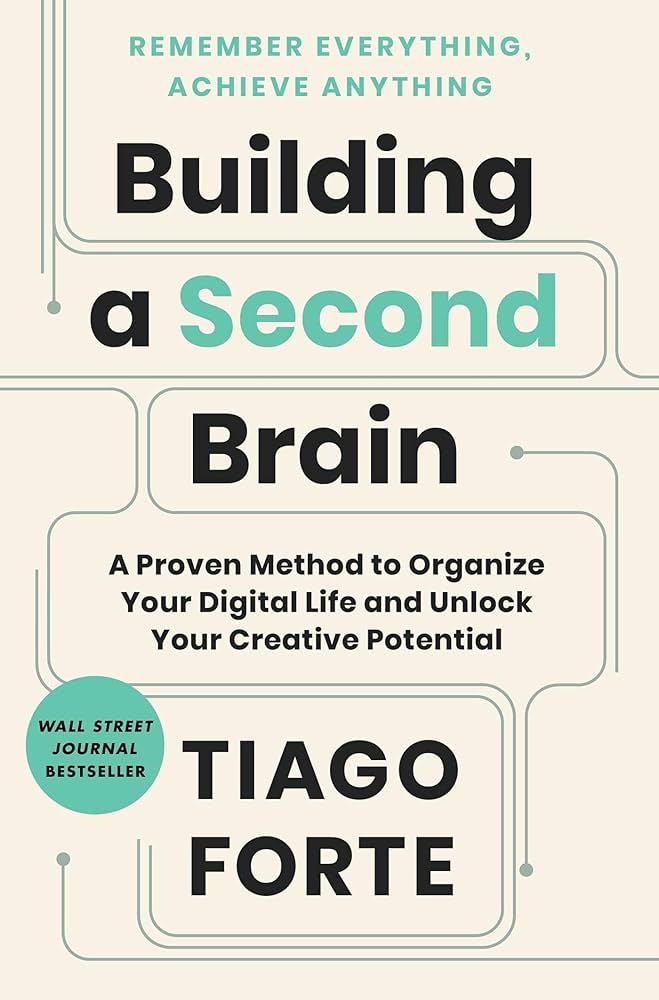
If you’ve reached this part of the post and found the trope interesting, I bet you’ll find this book intriguing. I’ve already read this book twice this year and gifted it to a few friends. Here is a quote from the book:
“keep only what resonates…When something resonates, it moves you on an intuitive level. Often, the ideas that resonate are the ones that are most unusual, counterintuitive, interesting, or potentially useful. Don’t make it an analytical decision, and don’t worry about why exactly it resonates- just look inside for a feeling of pleasure, curiosity, wonder, or excitement, and let that be your signal for when it’s time to capture a passage, an image, a quote, or a fact. “
08.
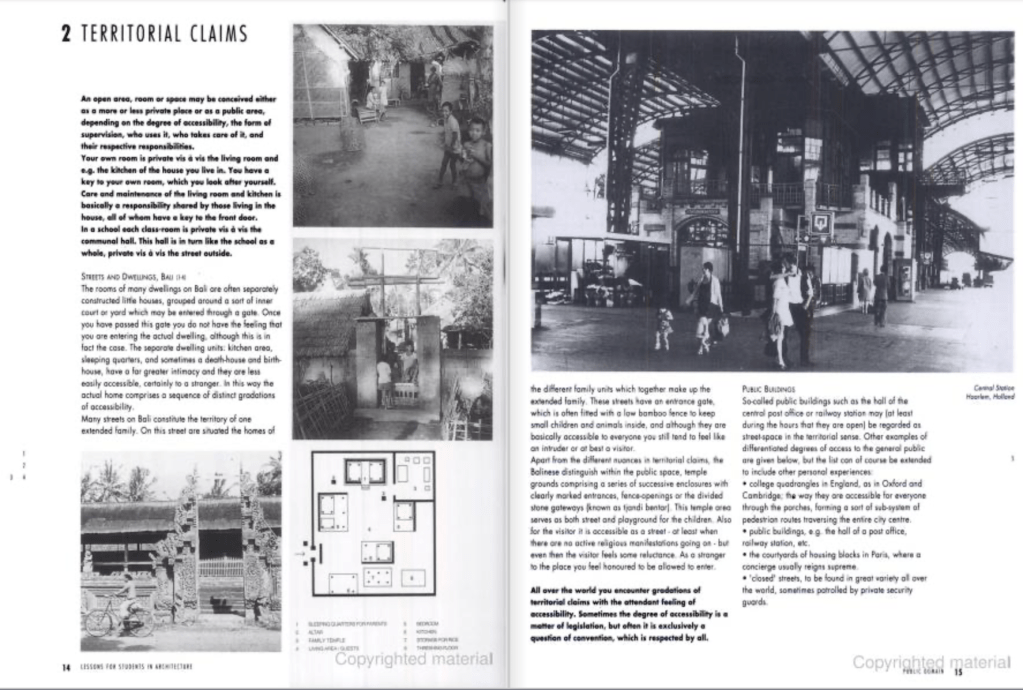
As I wrapped up this post, I couldn’t resist mentioning the timeless classic ‘Lesson for Students in Architecture’ by Hertzberger! This wonderful book is a collection of precedents he has continuously taught, practiced, and referred to throughout his entire career. The book starts with the line
“It is inevitable that the work you do as an architect should serve as the point of departure for your teaching, and obviously the best way to explain what you have to say is to do so on the basis of practical experience: that, indeed, is the common thread of this book. Instead of presenting each individual work separately and explaining all their distinctive features in turn, the different textual components have been organized in such a way that, as a whole, they offer something in the way of a theory; it is the way the elements are organized that transforms practice itself into theory.”
 mofussillab
You must be logged in to post a comment.