
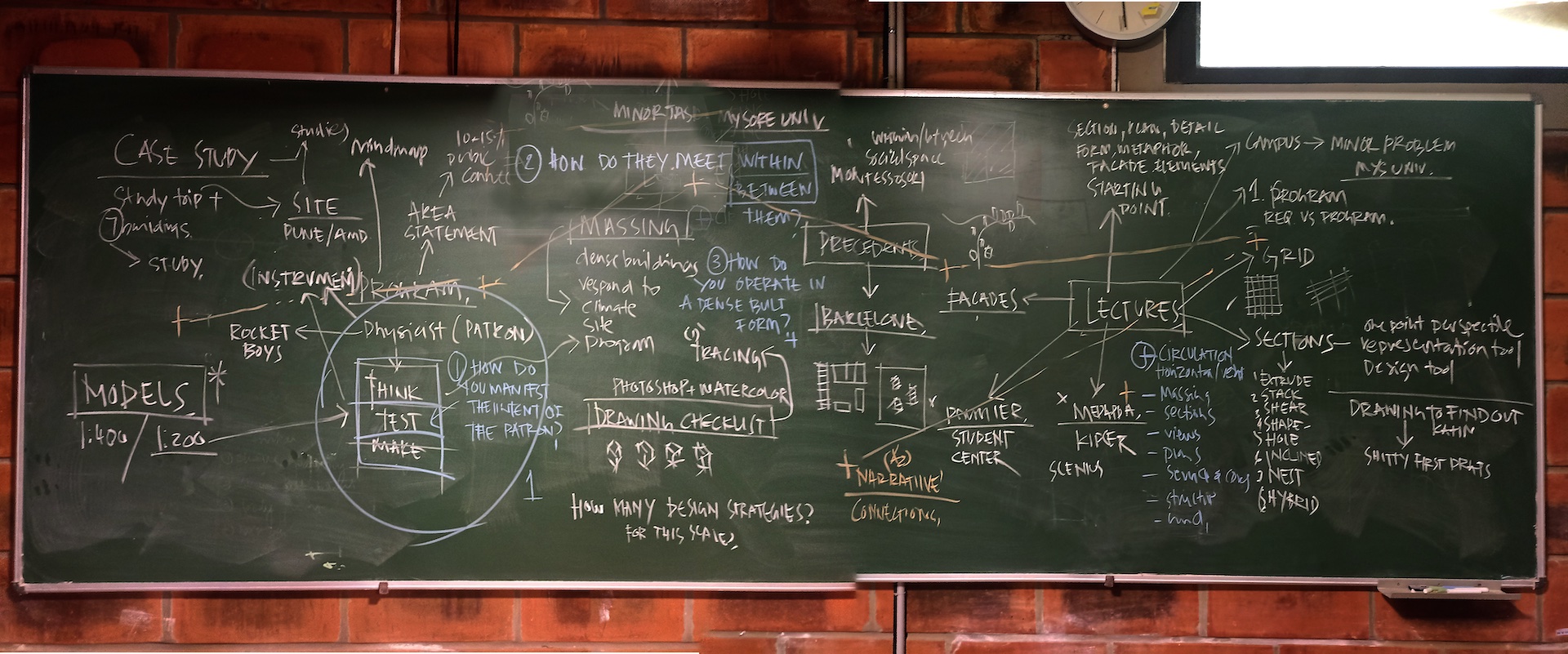
Here is the blackboard from a recent AD 06 class. I have discussed this earlier (here and here) on thinking aloud with the blackboard – “It traces the emphasis and the hesitations of the teacher, simultaneously” – This is a ritual i try once in the middle of the semester – taking stock of all the things we discussed in the semester – design brief, precedents, keywords, lectures (internal and external), case studies, assignments, casual references discussed / shared on classroom/whatsApp.
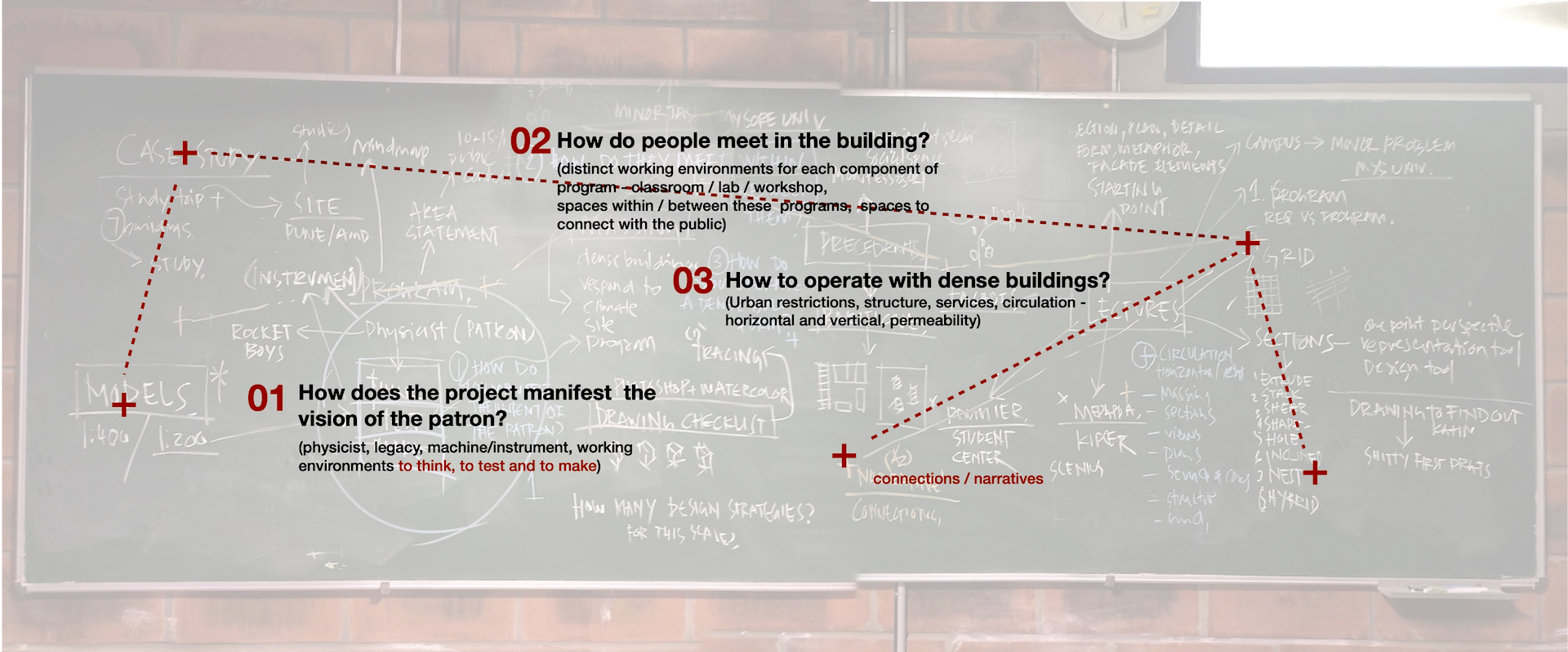
We are in the age of unopened classroom and whatsapp links. In a little survey I made, the probability of a link opened by a student is 2:15. I will give allowance for myself considering the links are not always directly design related. In context of that probability this act becomes a very useful event to first map all the things and make connections between them. It also brought more clarity to me on what are priorities for this semester. Even though what is listed can be overwhelming, i ended with the key question “How many design strategies or clues are required for a certain scale of project?”. Below is the post production of the class discussion as the structured narrative.
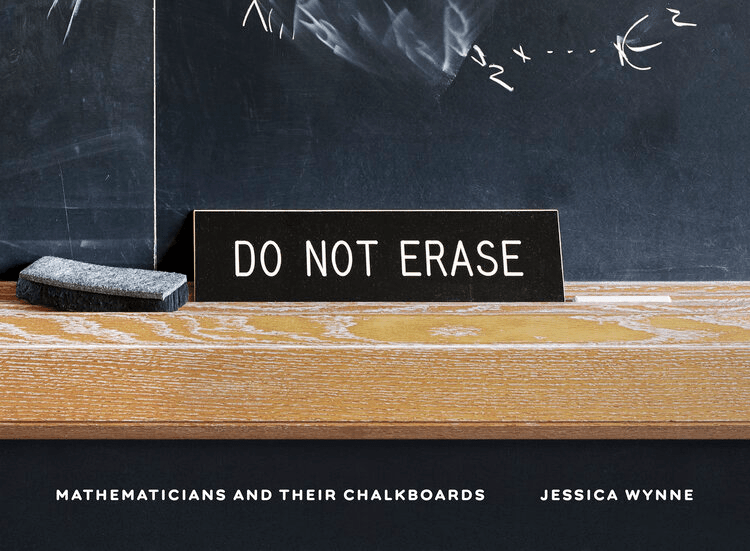
I came across this delightful curation by photographer Jessica Wynnes called Do Not Erase which
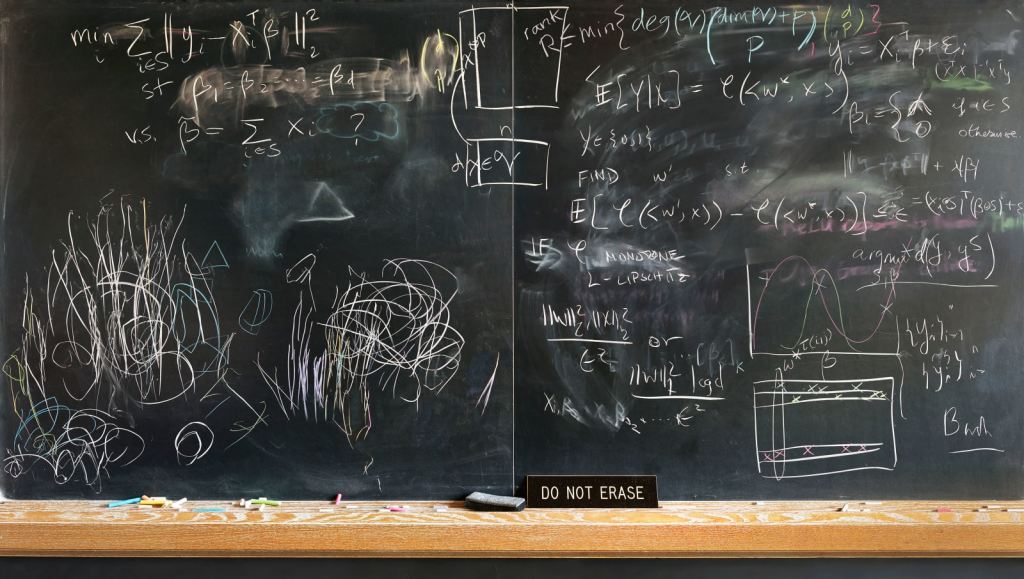
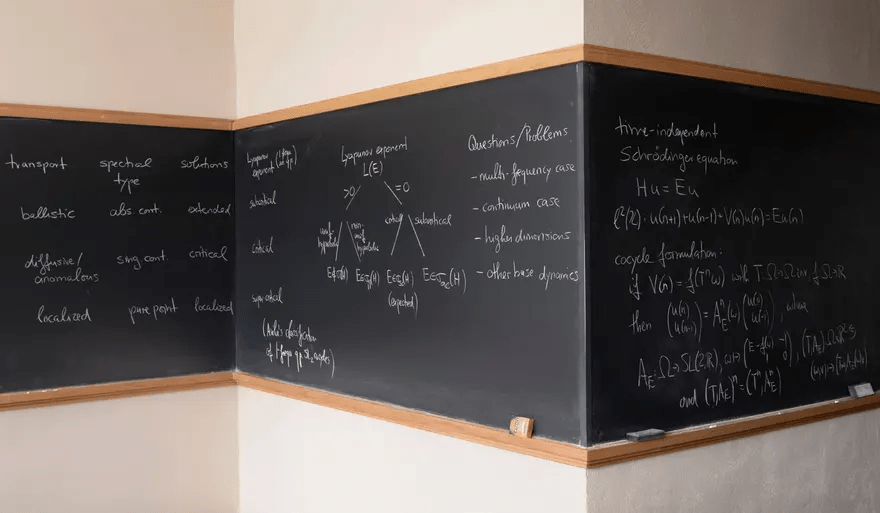
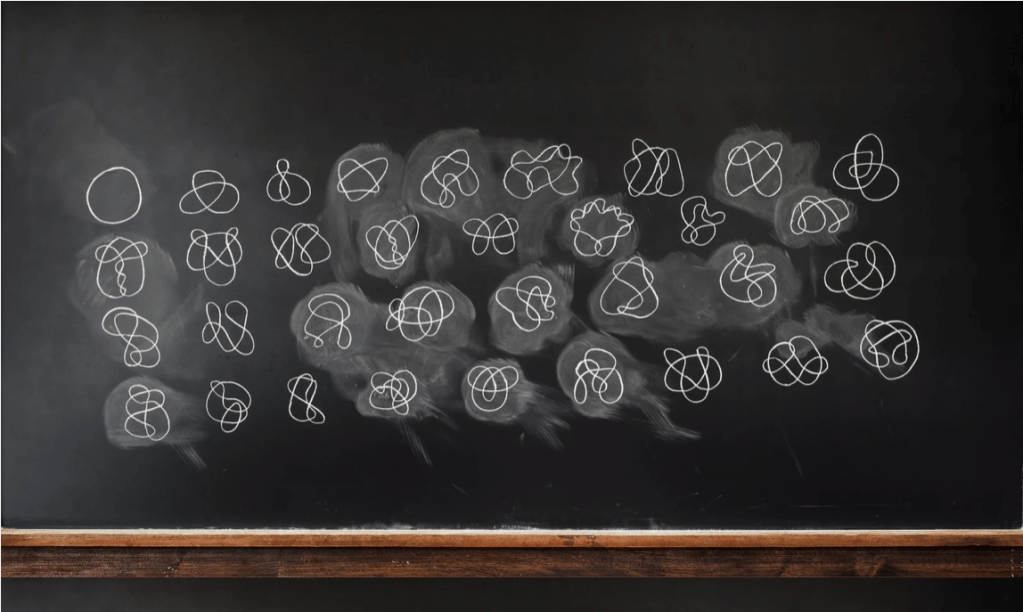
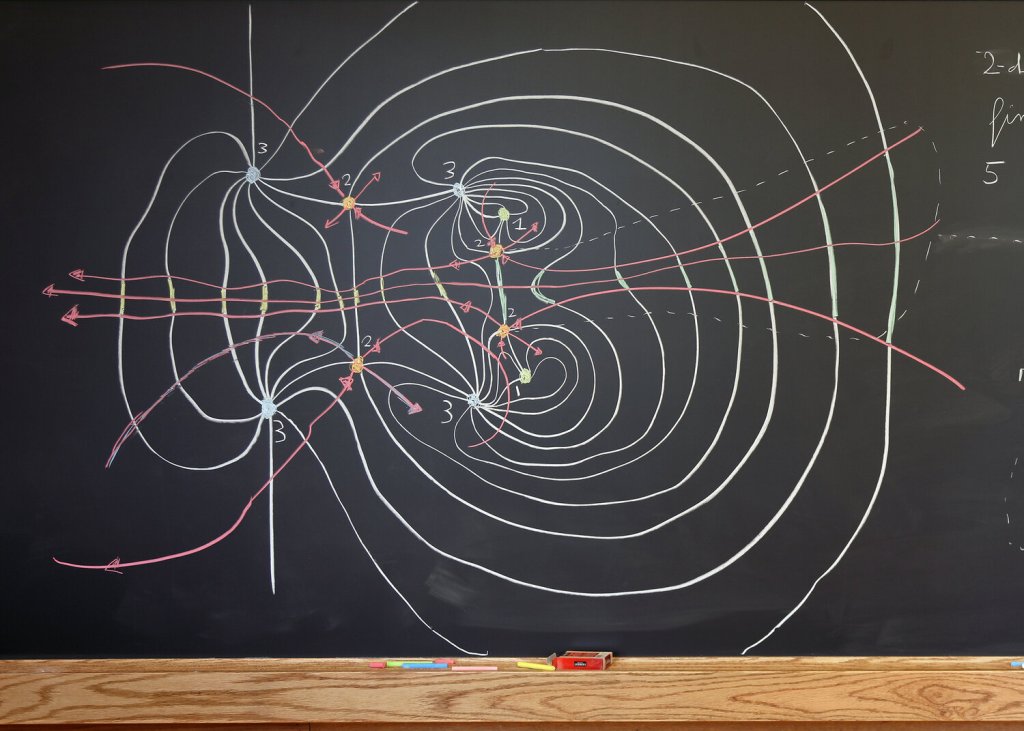
“presents remarkable examples of this idea through images of mathematicians’ chalkboards. While other fields have replaced chalkboards with whiteboards and digital presentations, mathematicians remain loyal to chalk for puzzling out their ideas and communicating their research….The photographs are accompanied by essays from each mathematician, reflecting on their work and processes. Together, pictures and words provide an illuminating meditation on the unique relationships among mathematics, art, and creativity… Do Not Erase is a testament to the myriad ways that mathematicians use their chalkboards to reveal the conceptual and visual beauty of their discipline; shapes, figures, formulas, and conjectures created through imagination, argument, and speculation“. (1) “Professor David Damanik, a mathematician at Rice University, who is among those featured, says he uses blackboards to build a narrative. “On the blackboard, it is easier to develop your story and your argument.” (2)
Here are some images from the book :
Notes :
(1) https://jessicawynne.com/book-do-not-erase
(2) https://www.theguardian.com/artanddesign/2019/oct/12/mathematicians-blackboards-academics-photographer-jessica-wynne-do-not-erase
 mofussillab
You must be logged in to post a comment.